
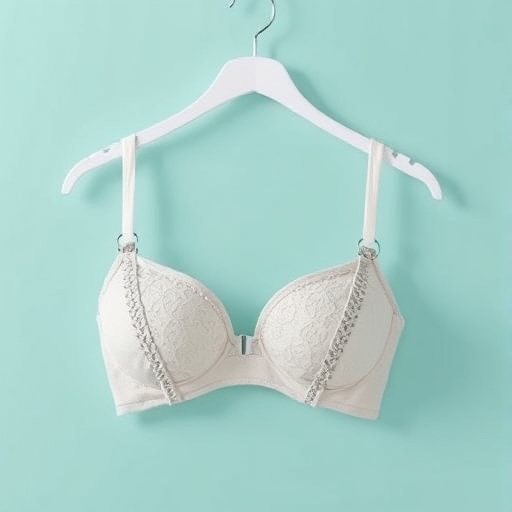

Where to Get Fitted for a Bra
Finding the perfect bra is not just about style; it’s about comfort, support, and proper fit. Many women underestimate the importance of a good bra fitting, leading to discomfort and even health issues. In this article, we will explore where to get fitted for a bra, the benefits of proper fittings, and tips on what to expect during the process.
The Importance of a Proper Bra Fit
A well-fitted bra can make a significant difference in your overall appearance and comfort. Here are some reasons why getting fitted for a bra is essential:
- Support: A properly fitted bra provides the necessary support for your breasts, reducing strain on your back and shoulders.
- Comfort: Ill-fitting bras can cause discomfort, including chafing, pinching, and even headaches. A good fit enhances overall comfort.
- Appearance: The right bra can improve your silhouette, helping your clothes fit better and enhancing your natural shape.
- Health: Wearing the wrong size can lead to long-term health issues, including poor posture and breast pain.
- Convenience: Many department stores are easily accessible and have a wide range of brands.
- Variety: You can try on different styles and sizes in one location.
- Immediate Purchase: You can buy the bras immediately after fitting.
- Limited Expertise: Staff may not be specially trained in bra fittings.
- Crowded Environment: Fitting rooms can be busy, which may make you feel rushed or uncomfortable.
- Expert Fitters: Staff are usually more knowledgeable about bra fitting.
- Wide Range of Sizes: Specialty shops often carry a broader range of sizes, including hard-to-find options.
- Personalized Service: You may receive more personalized attention and advice.
- Higher Prices: Bras may be more expensive than in department stores.
- Limited Locations: Specialty shops may not be available in all areas.
- Convenience: You can get fitted from the comfort of your home.
- Virtual Consultations: Some brands offer virtual fittings with professional fitters.
- Home Try-On: Many companies allow you to try bras at home before making a purchase.
- Inaccuracy: Online fittings may not be as accurate as in-person fittings.
- Return Hassles: You may have to deal with returns if the fit is not right.
- Medical Expertise: Fitters may have medical training and understand the health implications of bra fitting.
- Tailored Advice: They can provide advice based on your specific health needs.
- Limited Selection: They may not carry a wide variety of styles and brands.
- Appointment Required: You may need to schedule an appointment in advance.
- Bust Measurement: The fitter will measure your bust at its fullest point.
- Underbust Measurement: This measurement is taken around your ribcage, directly under your bust.
- Fit Testing: You will try on several bras to find the best fit. Pay attention to the following:
- Band Fit: The band should be snug but not overly tight.
- Cup Fit: There should be no spillage or gaps in the cups.
- Strap Fit: Straps should not dig into your shoulders or slip off.
- Wear a Comfortable Top: Choose a top that is easy to remove and won’t interfere with the fitting.
- Bring a Friend: Having someone you trust can make the experience more enjoyable and provide additional opinions.
- Be Open-Minded: You might be surprised by what styles and sizes work best for you.
- Bravissimo
- Freya
- Elomi
- Panache
Where to Get Fitted for a Bra
Finding the right place to get fitted for a bra is crucial. There are several options available, each with its pros and cons. Below are some of the most common places to consider:
1. Department Stores
Many department stores have dedicated lingerie sections with trained staff who can assist with fittings.
Pros:
Cons:
2. Specialty Lingerie Shops
Specialty shops focus exclusively on lingerie and often have trained fitters.
Pros:
Cons:
3. Online Services
With the rise of e-commerce, many brands now offer online fitting services.
Pros:
Cons:
4. Health and Wellness Centers
Some health and wellness centers, including physical therapy clinics, offer bra fittings, particularly for women who have undergone surgeries or have specific health concerns.
Pros:
Cons:
What to Expect During a Bra Fitting
Understanding what to expect during your fitting can help ease any anxiety you may have. Here’s a step-by-step guide:
Step 1: Measurement
Step 2: Size Determination
Using your measurements, the fitter will determine your bra size. This is often expressed in a format like 34B, where the number represents the band size, and the letter represents the cup size.
Step 3: Trying on Bras
Step 4: Adjustments and Recommendations
The fitter will make adjustments as necessary and recommend styles that suit your body shape and personal preference.
Tips for a Successful Fitting
Bra Size Comparison Table
| Size | Band Size (inches) | Cup Size |
|---|---|---|
| 32A | 30-32 | A |
| 34B | 32-34 | B |
| 36C | 34-36 | C |
| 38D | 36-38 | D |
| 40DD | 38-40 | DD |
FAQ
How often should I get fitted for a bra?
It’s recommended to get fitted every 6 to 12 months, especially if you experience weight fluctuations, hormonal changes, or after significant life events (like pregnancy or surgery).
Can I get fitted while pregnant or breastfeeding?
Yes! Many stores and specialty shops have staff trained to fit pregnant and nursing women, ensuring comfort and support during this time.
What if I’m between sizes?
If you’re between sizes, it’s often recommended to try both sizes to see which provides the best fit. Adjusting the band size can also help; for example, if you wear a 34B but find it snug, you might try a 36A instead.
Are there any specific brands recommended for larger sizes?
Some brands known for their quality and range in larger sizes include:
Is it normal to feel uncomfortable when trying on bras?
It’s not uncommon to feel a bit uncomfortable when trying on bras, especially if you’re not used to being fitted. However, a well-fitted bra should not cause pain or excessive discomfort.
Conclusion
Finding the right bra can be a life-changing experience, enhancing your comfort and confidence. Whether you choose a department store, a specialty shop, or an online service, the key is to prioritize your fit. Don’t hesitate to reach out to professionals, ask questions, and try different styles until you find the perfect match for your body. Investing time in a fitting is an investment in your comfort and well-being.