
Looking for the perfect fit? Check out these Best-Selling Wedding Dress.
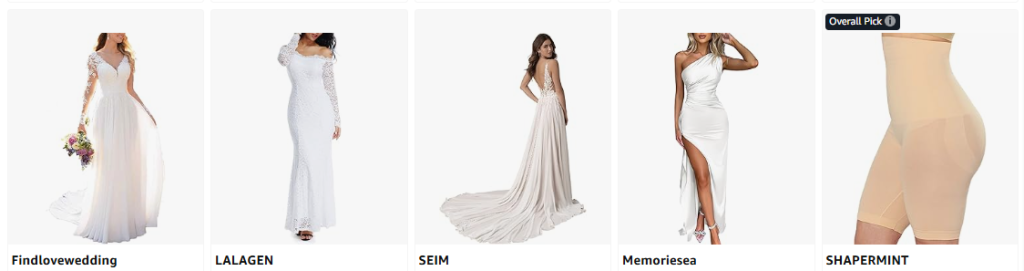
[amazon_products keyword=”Wedding Dress” count=”9″ columns=”3″]
Wedding Dress Size Chart – A Comprehensive Guide
When it comes to finding the perfect wedding dress, one of the most important factors to consider is getting the right size. After all, you want to feel comfortable, confident, and beautiful on your big day. However, the sizing of wedding dresses can be tricky. Unlike ready-to-wear clothing, wedding dress sizing often follows different measurements and standards, which can lead to confusion for many brides-to-be. This is where a wedding dress size chart can help.
In this article, we will dive into what a wedding dress size chart is, how to read one, how to measure yourself correctly, and what to do if your dress doesn’t fit perfectly right away.
What Is a Wedding Dress Size Chart?
A wedding dress size chart is a guide provided by designers, bridal shops, or manufacturers to help brides determine which size gown will likely fit them best. However, unlike standard sizing in ready-to-wear clothing (like jeans or blouses), wedding dress sizes can vary significantly from one designer to another, so it’s important to use a wedding dress size chart specifically provided by the designer of your dress.
Wedding dresses typically use a different sizing system, which can make the dress feel slightly different from the usual clothes you wear. It’s important to remember that wedding dress sizes tend to run smaller than regular clothing sizes, which is why many brides often feel like they have to size up.
For example, if you wear a size 8 in regular clothing, your wedding dress size might be a 10 or even 12, depending on the designer. This discrepancy can cause some confusion, but knowing how to read a wedding dress size chart and understanding the measurements can help you make an informed decision when purchasing your gown.
How to Read a Wedding Dress Size Chart
Wedding dress size charts typically include several key pieces of information:
- Bust – This measurement refers to the fullest part of your chest, around the nipple line. Be sure to measure while wearing a well-fitting bra to get an accurate result.
- Waist – Measure around the narrowest part of your torso, usually just above your belly button. This is where your waistline naturally curves.
- Hips – Measure around the fullest part of your hips and buttocks. This will give you a sense of how the dress will fit around your lower body.
- Hollow to Hem – This is the length measurement from the hollow of your neck (the indent just above your collarbone) to the floor. This measurement is crucial for determining the length of your wedding dress, particularly if you’re purchasing a floor-length gown.
Each designer will have its own chart, but most charts follow a similar format with bust, waist, and hip measurements. For example:
| Wedding Dress Size | Bust (in inches) | Waist (in inches) | Hips (in inches) |
|---|---|---|---|
| 2 | 32 | 24 | 34 |
| 4 | 33 | 25 | 35 |
| 6 | 34 | 26 | 36 |
| 8 | 35 | 27 | 37 |
| 10 | 36 | 28 | 38 |
| 12 | 37 | 29 | 39 |
| 14 | 38 | 30 | 40 |
| 16 | 39 | 31 | 41 |
| 18 | 40 | 32 | 42 |
| 20 | 41 | 33 | 43 |
Note that measurements will vary slightly between designers, so it’s important to consult the chart provided by the designer of your specific dress. Additionally, some bridal shops may offer custom alterations, so the size chart serves as a guideline but not an absolute rule.
How to Measure Yourself for a Wedding Dress
Taking accurate measurements is crucial when selecting the right wedding dress size. Here are the basic steps for measuring yourself:
- Bust – Stand in front of a mirror with your arms relaxed at your sides. Using a soft measuring tape, wrap it around the fullest part of your bust. Keep the tape comfortably snug but not tight. It’s essential that you measure at the level of the nipple and across your back to ensure an accurate bust measurement.
- Waist – Find the natural waistline (the smallest part of your waist) and measure around it. It’s a good idea to bend to one side to help locate this spot more easily. Make sure the tape is parallel to the ground, and don’t pull too tightly.
- Hips – Measure around the fullest part of your hips and buttocks. Ensure that the measuring tape goes across the top of your hips and around the thickest part of your backside.
- Hollow to Hem – Stand straight with your feet together, and measure from the hollow of your neck (just above your collarbone) to the floor. If you’re planning to wear heels on your wedding day, measure while wearing shoes that are similar in height to the ones you’ll be wearing.
If you’re having trouble measuring yourself, don’t hesitate to ask a friend, family member, or a bridal consultant for help. Accurate measurements are key to selecting the right wedding dress size.
What if I’m Between Sizes?
What happens if your measurements place you between two sizes on the chart? Don’t panic – this is a common dilemma for many brides. If you find that your measurements fall in between two sizes, here’s what you can do:
- Choose the Larger Size – If your bust measurement places you in one size and your hips or waist place you in another, choose the larger size. It’s easier to take a wedding dress in than let it out. A bridal shop can alter the gown to fit your body perfectly.
- Consider Custom Alterations – If you’re looking for a more tailored fit, some bridal designers offer customization options. For an additional cost, you can request alterations to the dress’s fit and shape, including adding more room in certain areas or taking it in where needed.
- Fit Over Size – It’s often more important to prioritize how the dress fits in key areas, like the bust and waist. The dress can always be taken in at the seams, but altering a gown that’s too small may not be as simple. Always aim for a gown that fits you comfortably around the chest, waist, and hips.
What to Do if the Dress Doesn’t Fit Perfectly
Once you’ve purchased your wedding dress, it’s normal for there to be a bit of work involved in ensuring it fits perfectly. Wedding gowns usually require alterations, even if they fit well off the rack. Here are some tips:
- Don’t Buy Based on “Ready-to-Wear” Size – As mentioned earlier, wedding dresses often run smaller than your regular clothing size. Don’t get discouraged if your dress size seems larger than your usual size. Focus on how it fits and feels, not the label.
- Alterations Are a Must – Almost every wedding dress will need some alterations. Brides typically have their dresses altered to fit their exact measurements, ensuring a perfect fit and comfortable wear. Be sure to visit a bridal salon or experienced tailor for these adjustments.
- Allow Time for Alterations – Make sure you have enough time for alterations before your wedding day. You may need multiple fittings, so start the alteration process at least 6-8 weeks before your wedding.
- Don’t Forget the Accessories – If you plan on wearing a veil, bolero, or any other accessories, make sure to factor those into your fitting as well. Accessories can affect the fit of your gown, so it’s essential to have everything ready when you go for your final fitting.
Conclusion
Understanding a wedding dress size chart is essential for finding the perfect gown for your big day. While bridal sizing may be different from ready-to-wear clothing sizes, taking accurate measurements and consulting a designer’s size chart will help you choose the right dress. If you’re between sizes, remember that it’s always easier to take a dress in than to let it out, and don’t forget about alterations – most wedding dresses will need some form of tweaking to ensure they fit you like a glove. With patience and attention to detail, you can find a wedding dress that not only looks stunning but fits you perfectly.