
Tunic Size Guide
Choose Your Tunic Size (US)
Size Details:
XS
Bust: 32-33 inches
Waist: 24-25 inches
Hip: 34-35 inches
S
Bust: 34-35 inches
Waist: 26-27 inches
Hip: 36-37 inches
M
Bust: 36-37 inches
Waist: 28-29 inches
Hip: 38-39 inches
L
Bust: 38-39 inches
Waist: 30-32 inches
Hip: 40-42 inches
XL
Bust: 40-42 inches
Waist: 34-36 inches
Hip: 43-45 inches
XXL
Bust: 43-45 inches
Waist: 38-40 inches
Hip: 46-48 inches
3XL
Bust: 46-48 inches
Waist: 42-44 inches
Hip: 49-51 inches
Looking for the perfect fit? Check Out These Best-Selling Tunic .

Popular Tunic on Amazon
Browse these options on Amazon. Check the brand size chart on each listing before you order.

JEMITOP Men's Renaissance Costume Retro Lace Up Shirts for Pirate Viking Mediev…
Check Price on Amazon
JEMITOP Men's Vintage Renaissance Costume Long Sleeve Lace Up Shirts for Pirate…
Check Price on Amazon
JEMITOP Men Renaissance Medieval Viking Tunic Costume Shirt Black L
Check Price on Amazon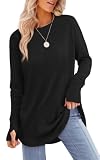
XIEERDUO Womens Tunics to Wear with Leggings Long Sleeve Black Tunic Tops for W…
Check Price on Amazon
JEMITOP Mens Pure Cotton Retro Lace Up Renaissance Tunic Navy Blue L
Check Price on Amazon
Chocolate Brown Fall Clothes for Women Long Sleeve Waffle Knit Tunic Tops
Check Price on Amazon
Ryannology Mens Linen Shirts Casual Cotton 3/4 Sleeve Henley T-Shirt
Check Price on Amazon
Zeagoo Womens Tunics to Wear with Leggings 3/4 Length Sleeves Shirts Blouse
Check Price on Amazon
OFEEFAN Long Tunic Tops For Women Airport Outfits For Women 2026 Floral 02 XL
Check Price on AmazonAs an Amazon Associate I earn from qualifying purchases.
Tunic Size Guide: Finding the Perfect Fit for Comfort and Style
Tunic tops are a wardrobe staple for many, providing a comfortable yet stylish option for various occasions. A well-chosen tunic works for casual days, work events and formal gatherings. However, just like with any other clothing item, finding the right fit is key to feeling confident and comfortable.
This comprehensive tunic size guide will take you through everything you need to know about choosing the right size, how to measure yourself, and key things to consider when purchasing a tunic. By the end of this guide, you’ll know how to find your perfect fit and ensure that your tunic enhances your overall look and style.
What Is a Tunic?
A tunic is a versatile piece of clothing typically characterized by its loose-fitting design that falls to a length just above or below the hips. It can be a standalone piece or layered with other garments. Tunics come in a variety of styles, from short-sleeved to long-sleeved, and can be worn in both casual and more dressed-up settings.
Tunics are often made from comfortable fabrics like cotton, linen, jersey, or wool, making them ideal for warmer weather or layering during colder seasons. Because of their relaxed silhouette, tunics can be paired with everything from leggings and skinny jeans to skirts and trousers, making them incredibly adaptable to different body types and personal styles.
Understanding Tunic Sizes
Unlike more fitted garments, tunics tend to have a looser cut, which is why sizing can vary significantly depending on the brand and style. To determine the best size for you, you’ll need to pay attention to a few key measurements: bust, waist, and hip measurements. Knowing how to measure yourself and understanding how tunics fit can help you make an informed choice when selecting the right size.
When shopping for a tunic, there are a few general things to keep in mind:
- Fit: Tunics are designed to fit loosely around the body, but they should still offer some structure. Too tight, and the tunic may feel restrictive. Too loose, and it may look unflattering.
- Length: Tunics typically fall somewhere between the hips and the knees. The length can impact the overall look of the tunic and how it pairs with the rest of your outfit.
- Fabric: The fabric of the tunic can also affect the way it fits and falls on your body. For instance, a cotton tunic might flow more freely, while a tunic made of a thicker fabric could offer more structure.
How to Measure Yourself for a Tunic
To ensure that you’re choosing the correct tunic size, you’ll need to measure yourself properly. It’s important to use a soft, flexible measuring tape, and make sure you are standing straight and relaxed when taking your measurements.
- Bust Measurement:
- Stand with your arms relaxed by your sides.
- Wrap the measuring tape around the fullest part of your bust, keeping it parallel to the ground.
- Make sure the tape is snug but not tight.
- Note the measurement where the tape meets itself.
- Waist Measurement:
- Find your natural waistline, which is typically just above your belly button.
- Wrap the measuring tape around your waist, ensuring it’s parallel to the ground.
- Keep the tape snug but not constricting.
- Hip Measurement:
- Stand with your feet together and measure around the fullest part of your hips, typically around the widest point of your buttocks.
- Make sure the tape is straight and snug, but not tight.
Once you have these three key measurements, you can compare them to the sizing charts provided by most tunic brands to find the best size for you.
Factors to Consider When Choosing a Tunic
When choosing the perfect tunic, there are several factors that influence fit, comfort, and style. Let’s take a look at some key considerations:
1. Body Shape and Fit
Different body types will require different fits to ensure that the tunic flatters your figure. Some tunics are more fitted at the bust or waist, while others have a boxier or flowy cut. It’s essential to choose a style that works with your body shape.
- Hourglass Shape: If you have a defined waist, choose a tunic that cinches slightly at the waist to accentuate your curves.
- Apple Shape: If you carry weight around your midsection, look for tunics with a loose, flowing cut that skims over the body.
- Pear Shape: For those with wider hips, tunics with A-line cuts or asymmetric hems can help balance proportions.
- Rectangle Shape: If you have a straighter figure, tunics with added details like belts, ruffles, or pleats can add shape and dimension.
2. Fabric Type
The fabric of the tunic plays a huge role in its comfort and how it fits your body. Here are some common fabrics used for tunics:
- Cotton: Soft, breathable, and versatile, cotton tunics are great for casual wear and warmer weather.
- Linen: Lightweight and breathable, linen is perfect for hot climates but tends to wrinkle easily.
- Jersey: Stretchy and soft, jersey tunics offer a relaxed fit that’s comfortable for all-day wear.
- Silk: A luxurious, smooth fabric that’s perfect for a more polished look, though it requires delicate care.
- Wool or Cashmere: For cooler months, tunics made of wool or cashmere offer warmth and coziness.
3. Tunic Length
Tunic lengths can vary from mid-thigh to just below the hip or even knee-length. The length of your tunic will depend on your personal preference and how you plan to wear it:
- Shorter Tunics: These typically fall just above the hips and pair well with leggings or skinny jeans.
- Longer Tunics: Tunics that reach the mid-thigh or knee are ideal for pairing with tights, leggings, or even trousers for a more sophisticated look.
4. Style
The style of tunic can also affect its fit and overall appearance. Some common tunic styles include:
- Tunic Tops: Loose and casual, these are great for everyday wear and can be paired with jeans or leggings.
- Tunic Dresses: These are longer in length and can often be worn as standalone dresses or paired with leggings.
- Bohemian Tunics: Featuring details like embroidery, fringe, or flowy silhouettes, these tunics are ideal for creating a laid-back, boho look.
- Structured Tunics: With more tailored cuts and clean lines, these tunics are great for business or formal settings.
Tunic Size Chart
Below is a general tunic size chart that can help you determine your ideal size based on your measurements. Keep in mind that sizes may vary slightly depending on the brand, so it's always a good idea to check the specific sizing chart for each brand you're interested in.
| Size (US) | Bust (inches) | Waist (inches) | Hip (inches) | Tunic Length (inches) |
|---|---|---|---|---|
| XS | 32-33 | 24-25 | 34-35 | 26-28 |
| S | 34-35 | 26-27 | 36-37 | 28-30 |
| M | 36-37 | 28-29 | 38-39 | 30-32 |
| L | 38-39 | 30-32 | 40-42 | 32-34 |
| XL | 40-42 | 34-36 | 43-45 | 34-36 |
| XXL | 43-45 | 38-40 | 46-48 | 36-38 |
| 3XL | 46-48 | 42-44 | 49-51 | 38-40 |
Tips for Styling a Tunic
- Pair with Leggings or Skinny Jeans: Tunics are often paired with leggings or skinny jeans for a casual, comfortable look. The slim-fitting pants balance out the flowy top.
- Layer with Cardigans or Jackets: Add a cardigan, denim jacket, or a long coat to layer over your tunic, especially during cooler months.
- Add a Belt: Cinch your tunic at the waist with a belt to create a more defined shape.
- Accessorize: Tunics often look great with statement jewelry, scarves, and hats that add personality and style.
Conclusion
Choosing the perfect tunic size is key to ensuring that you feel both comfortable and stylish. By knowing your measurements and understanding how tunics fit, you can select a piece that complements your body shape and fits your personal style. A well-fitted tunic is a versatile, flattering piece for both relaxed and polished looks.
By following this size guide and using the tunic size chart, you’ll be able to shop for tunics with confidence and find pieces that suit both your body and your personal aesthetic. Use these tips the next time you shop for a tunic.
Frequently Asked Questions
How should a tunic fit?
A tunic should fit loosely around the body while still keeping some structure. If it is too tight it can feel restrictive, and if it is too loose it may look unflattering. Tunics typically fall between the hips and the knees, so check the length as well as the size.
How do I measure myself for a tunic?
Use a soft, flexible measuring tape and stand straight and relaxed. Measure around the fullest part of your bust with the tape parallel to the ground, then measure your waist and hips. Compare all three with the tunic size chart.
Do tunic sizes vary by brand?
Yes, because tunics have a looser cut, sizing can vary significantly between brands and styles. Always compare your bust, waist and hip measurements with each brand's chart. Fabric matters too: cotton tends to flow freely, while thicker fabrics offer more structure.