
Men’s Athletic Shirt Size Chart
| Size | Chest (inches) | Waist (inches) | Hips (inches) | Height (inches) | Weight (lbs) |
|---|
Looking for the perfect fit? Check Out These Best-Selling Men’s Athletic Shirt.

Best Selling Men’s Athletic Shirt in 2026
Looking for the best Men’s Athletic Shirt? We've handpicked the top-rated, best-selling options available on Amazon right now. Whether you're comparing sizes or searching for the perfect fit, these picks are loved by thousands of happy customers.
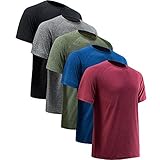
MCPORO Workout Shirts for Men Short Sleeve Quick Dry Athletic Gym Active T…
View on Amazon →
5 Pack Men’s Active Quick Dry Crew Neck T Shirts | Athletic Running Gym Wo…
View on Amazon →
5 Pack Men's Dry Fit T Shirts Athletic Running Gym Workout Short Sleeve Te…
View on Amazon →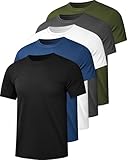
Kinglaman Mesh Workout Shirts for Men Dry Fit Gym Shirts Quick Dry Athleti…
View on Amazon →
Under Armour Men's Tech 2.0 Short-Sleeve T-Shirt , Black (001)/Graphite, L…
View on Amazon →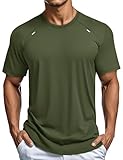
MAGCOMSEN Men's Gym Shirt Dry Fit Short Sleeve Shirts Athletic Running Lig…
View on Amazon →
BOOJO 7 Pack Workout Shirts for Men - Quick Dry Moisture Wicking T-Shirts …
View on Amazon →
HovSiyla 5 Pack Running Shirts Men Sport Tops Dry Fit Gym Wicking Athletic…
View on Amazon →* As an Amazon Associate I earn from qualifying purchases.
Athletic shirts, particularly those designed for sports or fitness, tend to have a more form-fitting or performance-oriented cut. The sizing for athletic shirts typically depends on chest measurements, as these shirts need to accommodate muscular builds while ensuring flexibility for movement.
Below is a general Men’s Athletic Shirt Size Chart that includes chest measurements, along with other relevant sizing info.
Men’s Athletic Shirt Size Chart
| Size (US) | Chest (inches) | Waist (inches) | Hips (inches) | Height (inches) | Weight (lbs) |
|---|---|---|---|---|---|
| XS | 32-34 | 26-28 | 34-36 | 5’2″ – 5’4″ | 100-130 |
| S | 34-36 | 28-30 | 36-38 | 5’4″ – 5’6″ | 130-150 |
| M | 36-38 | 30-32 | 38-40 | 5’6″ – 5’8″ | 150-180 |
| L | 38-40 | 32-34 | 40-42 | 5’8″ – 5’10” | 180-210 |
| XL | 40-42 | 34-36 | 42-44 | 5’10” – 6’0″ | 210-240 |
| XXL | 42-44 | 36-38 | 44-46 | 6’0″ – 6’2″ | 240-270 |
| 3XL | 44-46 | 38-40 | 46-48 | 6’2″ – 6’4″ | 270-300 |
How to Measure for a Men’s Athletic Shirt
1. Chest Measurement:
- Measure around the fullest part of your chest, under your armpits, and across your shoulder blades. The chest measurement is critical for athletic shirts to ensure a proper fit for both muscular and lean body types.
2. Waist Measurement:
- Measure around your natural waistline, typically just above your belly button. Keep the tape snug but not tight to avoid inaccurate measurements.
3. Hips Measurement:
- Measure around the fullest part of your hips, across the top of your hipbones.
4. Height:
- While not directly tied to fit, knowing your height can help when determining the length of the shirt, particularly in athletic shirts where the fit might also affect the length.
Tips for Choosing the Right Men’s Athletic Shirt Size
- Consider the Fit Type:
- Athletic shirts often come in slim, regular, or loose fits. If you prefer a tighter fit that contours to your body, you may want to choose a slim fit. If you prefer more freedom of movement, a regular or loose fit might be more comfortable.
- Fabric Stretch:
- Some athletic shirts are made with fabrics that have built-in stretch, such as spandex or elastane. These fabrics can accommodate a range of body shapes and sizes, so you may want to consider the fabric when selecting your size.
- Activity Level:
- Consider the type of activity you’ll be doing. If you’re engaging in high-intensity workouts or sports, a shirt that fits snugly may be more suitable to prevent chafing and ensure comfort. For casual activities, a looser fit may be more comfortable.
- Brand-Specific Size Charts:
- Keep in mind that different brands may have slightly different sizing, so always consult the brand’s specific size chart for more accurate measurements.
Conclusion
A Men’s Athletic Shirt Size Chart is an essential tool for finding the right fit for your athletic wear. By taking accurate measurements of your chest, waist, hips, shoulder width, sleeve length, and shirt length, you can confidently choose the correct size that enhances both comfort and performance during physical activity.
Remember to consider the fit type and fabric composition, and always check the brand’s size chart to ensure the best possible fit.