
Kid’s School Uniform Size Guide
Recommended School Uniform Size:
Please select an age to get the recommended school uniform size.
Best Selling Kids' School Uniform in 2026
Looking for the best Kids' School Uniform? We've handpicked the top-rated, best-selling options available on Amazon right now. Whether you're comparing sizes or searching for the perfect fit, these picks are loved by thousands of happy customers.

Nautica Boys' School Uniform Short Sleeve Polo Shirt, Button Closure, Mois…
View on Amazon →
Nautica Big Girls School Uniform Performance Scooter, Khaki, 8
View on Amazon →
The Children's Place girls Basic School Uniform Cardigan Sweater, Tidal, M…
View on Amazon →
French Toast Boys Pull-on Relaxed Fit School Uniform Pant (Standard & Husk…
View on Amazon →
Amazon Essentials Girls' School Uniform Straight Leg Adjustable Waist Flat…
View on Amazon →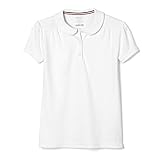
French Toast Girls Short Sleeve Peter Pan Collar School Uniform Polo Shirt…
View on Amazon →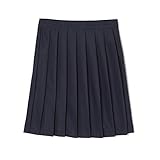
French Toast Girls' Adjustable Waist Mid Length Pleated Skirt, Navy, 8
View on Amazon →
French Toast girls Sa9423 School Uniform Polo Shirt, Navy, 12-Oct US
View on Amazon →
Nautica Girls School Uniform Pleated Scooter with Pockets Skirt, Khaki, 10…
View on Amazon →* As an Amazon Associate I earn from qualifying purchases.
Kids’ School Uniform Size Guide – The Ultimate Resource for Parents and Caregivers
When it comes to preparing children for school, one of the most important yet often overlooked tasks is selecting the right school uniform. While it might seem like a simple task, choosing the proper size for kids’ school uniforms is crucial for both comfort and functionality. Ill-fitting uniforms can be uncomfortable, restrictive, and even distracting, while the right size ensures that children can move freely, feel comfortable, and look sharp.
We’ll walk you through everything you need to know about kids’ school uniform sizes, how to measure your child, the factors to consider when buying school uniforms, and a detailed size guide to help you choose the perfect fit for your child. Whether you’re a first-time buyer or seasoned parent, this guide will make the process of selecting school uniforms easier and more efficient.
Looking for the perfect fit? Check Out These Best-Selling Kids’ School Uniform.

The Importance of the Right School Uniform Fit
Choosing the right school uniform size is not just about looking good; it’s about ensuring your child’s comfort throughout their school day. Kids spend many hours in school, so wearing the correct uniform size can positively impact their concentration, activity, and mood. The right fit will allow them to focus on learning, participate in sports or physical activities, and move freely without restrictions.
Here’s why the right school uniform fit matters:
- Comfort: School uniforms that fit properly are comfortable and allow kids to move freely. Tight or oversized clothes can cause irritation, chafing, or discomfort during long school hours.
- Durability: Kids can be quite active, and if their uniforms are too small, they may experience wear and tear more quickly. Properly sized uniforms will last longer and withstand rough play.
- Confidence: A well-fitting uniform can help children feel confident and put together, contributing to a positive self-image and attitude towards school.
- Functionality: Whether it’s a dress, shirt, pants, or skirt, the right fit ensures that the uniform is practical for school activities, sports, and recess.
How to Measure Your Child for School Uniforms
Before heading to the store or placing an online order, it’s essential to know your child’s exact measurements. This way, you can ensure that the uniform you purchase will fit them comfortably.
Step-by-Step Guide to Measuring Your Child
To get the most accurate size, you’ll need a soft measuring tape and a pair of your child’s well-fitting clothes. Here’s how to measure them:
- Chest/Bust: Measure around the fullest part of the chest, just under the arms, keeping the tape comfortably snug but not tight.
- Waist: Measure around the natural waistline, which is typically above the belly button. Make sure the tape is parallel to the ground and not too tight.
- Hips: Measure around the fullest part of the hips. Again, keep the tape comfortably snug and parallel to the floor.
- Inseam (for pants): Measure from the top of the inner thigh to just above the ankle or where you want the pants to end. This measurement helps in determining the length of pants, skirts, or shorts.
- Height: Measure from the top of the head to the floor. This gives you a general idea of whether the overall uniform length will be suitable for your child.
- Neck: For shirts or blouses that require collar sizing, measure around the base of the neck to ensure that the collar is not too tight or too loose.
Tips for Measuring:
- Make sure the measuring tape is not twisted and stays straight across the body.
- It’s helpful to have your child wear a fitted shirt or clothing when taking measurements, so the tape doesn’t get caught on loose fabric.
- If your child is between sizes, it’s often a good idea to size up for extra room, especially for growing children.
How Kids’ School Uniform Sizes Typically Work
School uniforms often come in age-specific sizes, with different brands and manufacturers using slightly different sizing charts. These sizes can range from toddler sizes to youth and teen sizes. Below is an overview of the general size ranges based on age and measurements.
Age vs. Size
- Toddler (3-5 years): Sizes typically range from 2T to 5T, or small (S).
- Kids (6-10 years): Sizes usually range from 6 to 10, or medium (M) for younger children.
- Preteens/Teens (11-14 years): Sizes often range from 12 to 14 or large (L) for older kids.
- Teens (15+ years): Sizes range from 16 and up, often categorized as XL or teen sizes.
Keep in mind that each school or retailer might have slightly different sizing conventions, so always refer to the specific sizing chart for each brand or store.
Common Kids’ School Uniform Styles and Fit Considerations
Kids’ school uniforms come in a variety of styles and designs, from shirts and blouses to pants, skirts, and dresses. Here’s a breakdown of the most common types of school uniform items and how to consider fit:
1. School Shirts and Blouses
- Fit: Shirts and blouses should fit comfortably across the chest and shoulders without being too tight or loose. Make sure the arms and neck allow freedom of movement.
- Tip: If you’re buying a shirt for a growing child, consider sizing up to allow for growth, especially if the shirt has long sleeves.
2. School Pants and Shorts
- Fit: Pants and shorts should fit comfortably at the waist with enough room for movement in the hips and thighs. Ensure they aren’t too tight around the waist, but also avoid being too baggy.
- Tip: Many pants come with adjustable waistbands, which can accommodate growth and provide a more tailored fit.
3. School Skirts and Dresses
- Fit: Skirts should sit comfortably at the waist and fall just above or below the knee, depending on school guidelines. Dresses should not be too tight around the chest and should allow for comfortable movement.
- Tip: Skirts with elastic waistbands or pleats are more flexible and can accommodate a variety of body types.
4. School Sweaters and Outerwear
- Fit: Sweaters and jackets should provide enough room to layer over school shirts without feeling too bulky. They should be long enough to cover the waist but not too long to get in the way during physical activities.
- Tip: Always check the weather forecast—if your child’s school uniform includes outerwear, ensure it’s appropriate for the climate.
5. School Shoes and Footwear
- Fit: Shoes should fit snugly but comfortably, with enough room for the toes to move. They should be sturdy and provide support for walking, running, and other physical activities.
- Tip: Make sure to measure your child’s feet regularly, especially during growth spurts, to ensure the shoes remain comfortable.
Kids’ School Uniform Size Guide
To help you choose the right size for your child, here’s a detailed size chart for kids’ school uniforms. This chart is based on general age and height/weight guidelines.
| Age | Height | Chest | Waist | Hips | Inseam | Size |
|---|---|---|---|---|---|---|
| 3-4 Years | 38-42 inches | 20-21 inches | 19-20 inches | 21-22 inches | 13-15 inches | 3T-4T |
| 5-6 Years | 42-46 inches | 22-24 inches | 20-21 inches | 22-24 inches | 16-18 inches | 5-6 |
| 7-8 Years | 46-50 inches | 24-26 inches | 21-22 inches | 24-26 inches | 19-21 inches | 7-8 |
| 9-10 Years | 50-54 inches | 26-28 inches | 22-23 inches | 26-28 inches | 22-24 inches | 10 |
| 11-12 Years | 54-58 inches | 28-30 inches | 23-24 inches | 28-30 inches | 25-27 inches | 12 |
| 13-14 Years | 58-62 inches | 30-32 inches | 24-25 inches | 30-32 inches | 28-30 inches | 14 |
| 15-16 Years | 62-66 inches | 32-34 inches | 25-26 inches | 32-34 inches | 30-32 inches | 16 |
How to Use the Size Guide:
- Step 1: Measure your child’s height, chest, waist, hips, and inseam.
- Step 2: Compare their measurements to the corresponding size in the chart.
- Step 3: Select the size based on the closest match. If your child is in between sizes, it’s often better to size up to accommodate growth.
- Step 4: Check individual brand sizing charts, as sizes may vary slightly between manufacturers.
Conclusion
Choosing the right size for your child’s school uniform is essential for ensuring both comfort and functionality. With this detailed guide, you now have the knowledge to measure your child correctly, understand their uniform fit needs, and select the right size for each item. By following this guide, you can make the back-to-school shopping experience easier and stress-free while ensuring your child looks and feels great throughout their school day.
So, next time you’re buying school uniforms, refer to this size guide to make sure your child has the perfect fit for all their school activities. Happy shopping!