
Hiking Shoe Size Chart
Find your perfect fit using the table below. Select your shoe size, width, and shoe type to help find the best hiking shoes for your adventure.
| US Shoe Size (Men) | US Shoe Size (Women) | Foot Length (inches) | Foot Length (cm) |
|---|
Looking for the perfect fit? Check out these Best-Selling Hiking Shoe.

Best Selling Hiking Shoe in 2026
Looking for the best Hiking Shoe? We've handpicked the top-rated, best-selling options available on Amazon right now. Whether you're comparing sizes or searching for the perfect fit, these picks are loved by thousands of happy customers.
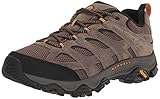
Merrell Men's Moab 3 Hiking Shoe, Walnut, 10 Medium
View on Amazon →
Columbia Mens Transverse Waterproof Hiking Boot, Cordovan/Golden Yellow, 12
View on Amazon →
Columbia Mens Fairbanks Low, Deep Olive/Desert Sun, 10.5
View on Amazon →
Columbia Mens Crestwood, Camo Brown/Heatwave, 11
View on Amazon →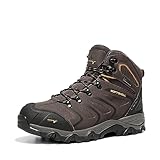
NORTIV 8 Men's Ankle High Waterproof Hiking Boots Outdoor Lightweight Shoe…
View on Amazon →
Merrell Women's Moab 3 Mid Waterproof, Granite, 8
View on Amazon →
Columbia Womens Transverse Suede Waterproof Hiking Boot, Canvas Tan/New Mo…
View on Amazon →
Merrell Men's Hiking Hiking Shoe, Olive/Moss, 10
View on Amazon →* As an Amazon Associate I earn from qualifying purchases.
The Ultimate Hiking Shoe Size Chart – Find the Perfect Fit for Your Adventure
When it comes to hiking, the right gear can make all the difference between a comfortable trek and a painful journey. One of the most important pieces of gear you’ll own is your hiking shoes. After all, your feet are your main mode of transportation on the trail! However, buying hiking shoes isn’t always as simple as picking a size you normally wear. In this blog post, we’ll guide you through the process of selecting the best hiking shoe size for your feet, complete with a helpful shoe size chart and tips for ensuring the best fit.
Why the Right Hiking Shoe Fit Matters
A proper hiking shoe fit is crucial for comfort and performance. Ill-fitting shoes can cause blisters, bruised toenails, arch pain, and even more serious foot injuries. Whether you’re hiking on rocky terrain, muddy trails, or up steep inclines, the right fit will support your foot and provide the stability needed for a safe and enjoyable adventure.
Factors to Consider When Choosing Hiking Shoe Size
- Foot Shape
Everyone’s feet are different! Some people have wide feet, narrow feet, high arches, or flat feet. Hiking shoes should match the natural shape of your foot for maximum comfort. - Socks
You’ll likely wear hiking socks with your shoes, and these can vary in thickness depending on the season. Make sure to consider sock thickness when selecting your size. Thicker socks might require half a size up to ensure there’s no pressure on your toes. - Fit Type: Snug or Roomy?
Some hikers prefer a snug fit, while others want a little extra room for their toes to wiggle. If you’re planning on long hikes or carrying a heavy pack, a little extra room in the toe box can prevent discomfort and blisters. - Brand Sizing
Just like with regular shoes, different brands may size their hiking shoes differently. It’s always a good idea to check the brand’s specific sizing guide and read reviews about how their shoes fit.
How to Measure Your Foot for Hiking Shoes
Before consulting a shoe size chart, it’s essential to measure your feet properly. Here’s how you can do it:
- Length: Stand on a piece of paper and trace the outline of your foot. Measure from the heel to the tip of the longest toe.
- Width: Measure across the widest part of your foot, typically near the ball of the foot.
- Arch: Knowing your arch type (low, medium, or high) can help you select shoes that provide the right amount of support.
General Hiking Shoe Size Chart
To make things easier, here’s a general size chart to help you compare your foot measurements with standard shoe sizes. Keep in mind that this is just a guide, and you should always check the brand-specific sizing for the best fit.
| US Men’s Shoe Size | US Women’s Shoe Size | Foot Length (inches) | Foot Length (cm) |
|---|---|---|---|
| 6 | 7.5 | 9.25″ | 23.5 cm |
| 7 | 8.5 | 9.625″ | 24.4 cm |
| 8 | 9.5 | 9.9375″ | 25.2 cm |
| 9 | 10.5 | 10.25″ | 26.0 cm |
| 10 | 11.5 | 10.5625″ | 26.8 cm |
| 11 | 12.5 | 10.875″ | 27.6 cm |
| 12 | 13.5 | 11.25″ | 28.5 cm |
| 13 | 14.5 | 11.5625″ | 29.3 cm |
Note: The sizes listed above are approximate. There may be variations between brands, so always check the manufacturer’s sizing chart when available.
Hiking Shoe Width Chart
While length is important, the width of your hiking shoes plays a significant role in overall comfort. Most brands offer various width options, such as Narrow (B), Regular (D or Medium), Wide (2E), and Extra Wide (4E).
| Width (US) | Description |
|---|---|
| B (Narrow) | Narrow fit; typically for people with slimmer feet. |
| D (Medium) | Standard fit; this is the most common width. |
| 2E (Wide) | Wider fit; good for people with broader feet. |
| 4E (Extra Wide) | Extra wide fit for individuals with very broad feet. |
Tips for Finding the Right Hiking Shoe Fit
- Try on Shoes Later in the Day
Your feet swell during the day, so it’s best to try on hiking shoes in the afternoon or evening when your feet are at their largest. - Wear the Right Socks
Bring the socks you plan to wear while hiking to the store or wear them when trying on shoes at home. This will give you a more accurate sense of how the shoes fit. - Leave Room for Toes
Make sure there is at least a thumb’s width of space between your longest toe and the end of the shoe. This is especially important for downhill hikes where your feet will slide forward. - Check the Arch
Make sure the shoe provides support for your arch. If you have flat feet, you might need shoes with additional arch support, or you can use custom insoles to get the right fit. - Walk Around
When trying on hiking shoes, walk around in them to make sure there are no pressure points, pinching, or discomfort. Pay attention to how your feet feel after a few minutes of walking.
conclusion
Choosing the right hiking shoe size is more than just selecting a number on a shoe tag. It’s about finding a fit that complements your foot shape, offers support for your adventures, and prevents discomfort on long hikes. Whether you’re heading out for a day hike or an extended backpacking trip, investing in properly fitted hiking shoes is one of the best ways to ensure a comfortable and enjoyable journey.
With the helpful size chart and tips above, you’re now ready to select the perfect hiking shoes for your next adventure. Happy hiking!