
Equestrian Saddle Size
Best Selling Equestrian Saddle in 2026
Looking for the best Equestrian Saddle? We've handpicked the top-rated, best-selling options available on Amazon right now. Whether you're comparing sizes or searching for the perfect fit, these picks are loved by thousands of happy customers.

TuffRider Miller's All Purpose Saddle Pad-Navy
View on Amazon →
ECP Equine Comfort Products All Purpose Diamond Quilted Western Saddle Pad…
View on Amazon →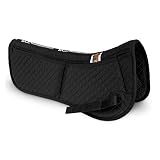
ECP Equine Comfort Products Adjustable Shock Absorbing Memory Foam Half Sa…
View on Amazon →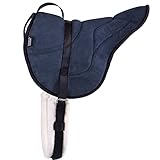
Harrison Howard Equestrian Saddle Pad Horse Riding Pad Bareback Pad with G…
View on Amazon →
TuffRider Basic All Purpose Horse Riding Saddle Pad - Ocean
View on Amazon →
Fiebing's Yellow Saddle Soap for Leather (3.5 oz Tin) - Leather Cleaner & …
View on Amazon →
Equitare Close Contact Saddle with Adjustable Gullet - 16"
View on Amazon →
TUFFRIDER Basic All Purpose Saddle PAD, Lilac
View on Amazon →
Harrison Howard Equestrian Saddle Pad Horse Riding Pad Saddle Pad CC - Whi…
View on Amazon →* As an Amazon Associate I earn from qualifying purchases.
The Ultimate Guide to Equestrian Saddle Sizes: How to Choose the Right Fit
Equestrian sports are as much about harmony between horse and rider as they are about the equipment used. One of the most crucial pieces of equipment is the saddle. A well-fitting saddle can enhance the comfort of both the rider and the horse, improving performance and reducing the risk of injury. However, choosing the right saddle is not as simple as picking one off the shelf. Just like horses come in different shapes and sizes, so do saddles.
We’ll explore everything you need to know about equestrian saddle sizes—how to measure for the correct fit, the different types of saddles available, and why proper sizing is crucial for both horse and rider.
Looking for the perfect fit? Check Out These Best-Selling Equestrian Saddle.

Understanding Equestrian Saddle Sizes
Saddles are designed to fit both the horse and rider, so getting the right size for each is essential. When we talk about saddle sizes, there are two main aspects to consider: the seat size and the tree size. These are the two primary measurements that determine whether the saddle is suitable for you and your horse.
1. Seat Size: The Rider’s Comfort
The seat size is the most important measurement for the rider, and it refers to the length of the saddle from the front to the back of the seat. The seat size is typically measured in inches, although some countries and brands might use centimeters.
How to Measure Seat Size
To find your ideal seat size, the most reliable method is to measure the distance from the back of your bottom to the front of your knee while sitting in a chair or on a saddle. While this method isn’t always 100% accurate, it can give you a starting point.
In most cases, riders prefer a saddle seat that is one to two inches larger than the distance from their bottom to their knee. For example, if the measurement from your bottom to your knee is 16 inches, you would typically look for a saddle with an 18-inch seat.
Common Seat Size Chart
| Seat Size (in inches) | Rider’s Approximate Height | Rider’s Approximate Weight |
|---|---|---|
| 14″ | 4’10” to 5’3″ | 90-120 lbs |
| 15″ | 5’0″ to 5’5″ | 100-130 lbs |
| 16″ | 5’2″ to 5’8″ | 120-150 lbs |
| 17″ | 5’4″ to 5’10” | 140-170 lbs |
| 18″ | 5’8″ to 6’0″ | 160-200 lbs |
| 19″ | 5’10” and above | 190 lbs and above |
This is just a general guideline, and personal preference plays a huge role in saddle fit. For example, some riders prefer a more snug fit, while others might prefer a bit more room for movement.
2. Tree Size: The Horse’s Comfort
The tree size refers to the width of the saddle’s “tree” — the internal structure that supports the saddle. This measurement is essential to ensure the saddle fits the horse’s back correctly. The tree size is determined by the width of the saddle at the withers (the area where the saddle sits along the spine, near the shoulder blades).
How to Measure Tree Size
The width of the tree is typically measured in inches, but it’s important to note that different manufacturers and types of saddles may vary slightly in how they measure the tree width. Generally, tree sizes are categorized as narrow, medium, wide, and extra-wide.
Here’s a rough breakdown of the tree sizes based on the width of the horse’s withers:
- Narrow: For horses with a narrow or high wither.
- Medium: For horses with an average-sized or slightly wide wither.
- Wide: For horses with broad or low withers.
- Extra-wide: For horses with extremely broad or flat withers.
Common Tree Size Chart
| Tree Size | Wither Width (in inches) | Horse Build |
|---|---|---|
| Narrow (N) | 6.5″ – 7″ | Narrow withers, fine build |
| Medium (M) | 7″ – 7.5″ | Average build, most common size |
| Wide (W) | 7.5″ – 8″ | Wide withers, muscular build |
| Extra-Wide (XW) | 8″ or more | Very broad or flat withers |
Keep in mind that tree size is not the only factor that influences saddle fit. The shape of the saddle, its panels, and the materials used in the construction also play a role in how well a saddle will fit a horse’s back.
Choosing the Right Saddle for Your Horse
When selecting a saddle for your horse, it’s essential to focus on the following points:
1. Horse’s Back Shape
Every horse has a unique back shape, and the saddle must accommodate this. The main considerations include the width and angle of the horse’s withers, the length of the back, and the shape of the ribs. Some horses have short backs and require a saddle with a shorter panel length, while others may have longer backs and need a saddle with longer panels.
2. Gullet Clearance
The gullet refers to the channel between the two panels of the saddle. Proper gullet clearance is vital to avoid putting pressure on the horse’s spine. It’s crucial that the saddle allows enough space for the withers and spine, so the horse doesn’t experience discomfort, chafing, or pressure.
3. Panel Configuration
Different saddles have different panel configurations to distribute the rider’s weight evenly across the horse’s back. Saddles with a wider panel configuration are typically better for horses with broad backs, while those with a narrower panel configuration are better for horses with thinner or more narrow builds.
4. Adjustable Trees
Some modern saddles come with adjustable trees, allowing you to modify the saddle’s width to fit your horse as it changes shape over time (due to training, weight gain/loss, or other factors). These saddles provide more flexibility and can be an excellent option for growing or developing horses.
Understanding the Types of Saddles
In addition to fitting the correct size, it’s essential to choose the right type of saddle based on the type of riding you intend to do. The type of saddle will affect both your riding style and your comfort.
1. English Saddles
English saddles are used in disciplines like dressage, jumping, and eventing. They are lighter and more streamlined than western saddles, allowing the rider more freedom of movement.
- Dressage Saddle: These have deep seats and long, straight flaps, offering close contact with the horse’s back. They typically have longer billets to help secure the saddle in place.
- Jumping Saddle: Jumping saddles have a more forward seat to allow for the rider’s position while jumping. They also have shorter flaps and are often designed with knee rolls to give the rider more security.
- All-Purpose Saddle: As the name suggests, these saddles are versatile and are designed for general riding, with a more balanced seat that can be used for a variety of disciplines.
2. Western Saddles
Western saddles are more substantial and often feature larger, more comfortable seats. They are typically used in disciplines like trail riding, reining, and rodeo sports.
- Trail Saddle: These saddles have extra padding and are designed for long-distance rides. They offer comfort and support for both the rider and the horse.
- Reining Saddle: A more specialized saddle used in competitive reining. It has a slightly deeper seat and is designed for the rider to maintain control during spins and sliding stops.
- Roping Saddle: These saddles are built with a horn for roping cattle, with a more forward cantle to ensure security for the rider during fast maneuvers.
How to Ensure the Right Fit
Once you’ve selected a saddle, it’s crucial to ensure it fits both the horse and the rider perfectly. Here are some steps to follow:
1. Check the Horse’s Back
Place the saddle on your horse’s back without girthing it, and check for proper clearance around the withers and spine. You should be able to slide your hand comfortably under the saddle at the withers and along the spine.
2. Test the Rider’s Position
When you sit in the saddle, ensure that your seat is comfortable and that you feel balanced. Your knees should be slightly bent, and you should have a natural grip on the stirrups. The saddle should not cause any pressure points or pinching.
3. Move the Horse
Once the saddle is secured, walk the horse and observe its movement. A well-fitting saddle should not cause the horse to move unnaturally or show signs of discomfort, like bucking or pinning its ears.
Conclusion
Choosing the right saddle size is crucial for both the rider’s comfort and the horse’s performance. It requires understanding the key measurements—seat size for the rider and tree size for the horse—as well as knowing the differences between various saddle types. It’s always best to consult with a knowledgeable professional when selecting a saddle, as the right fit can make all the difference in your riding experience.
A saddle that fits properly will not only improve your riding comfort but also ensure your horse performs at its best, free from the discomfort caused by an ill-fitting saddle. By following the guidelines in this article and working closely with experts, you’ll be well on your way to finding the perfect saddle that fits both you and your horse. Happy riding!