
Compression Socks Size Chart
Select your size to view detailed information about the compression socks.
Looking for the perfect fit? Check Out These Best-Selling Compression Socks.
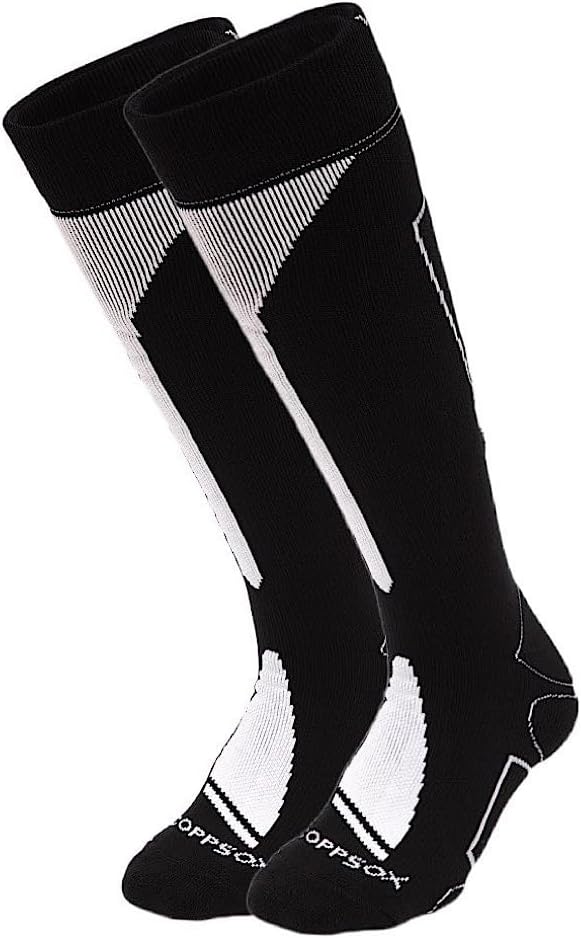
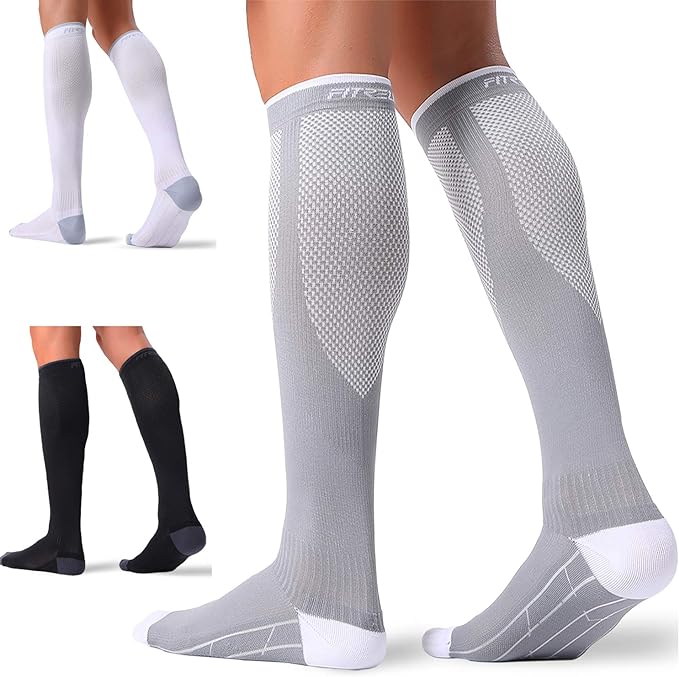
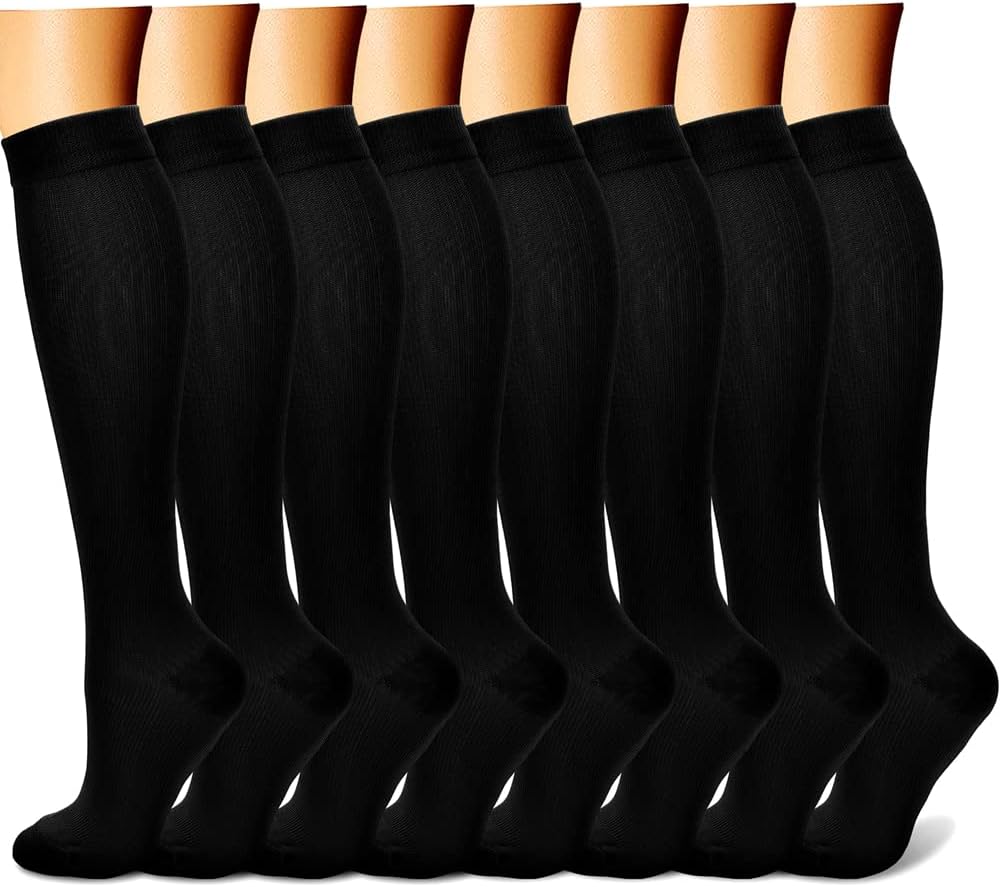
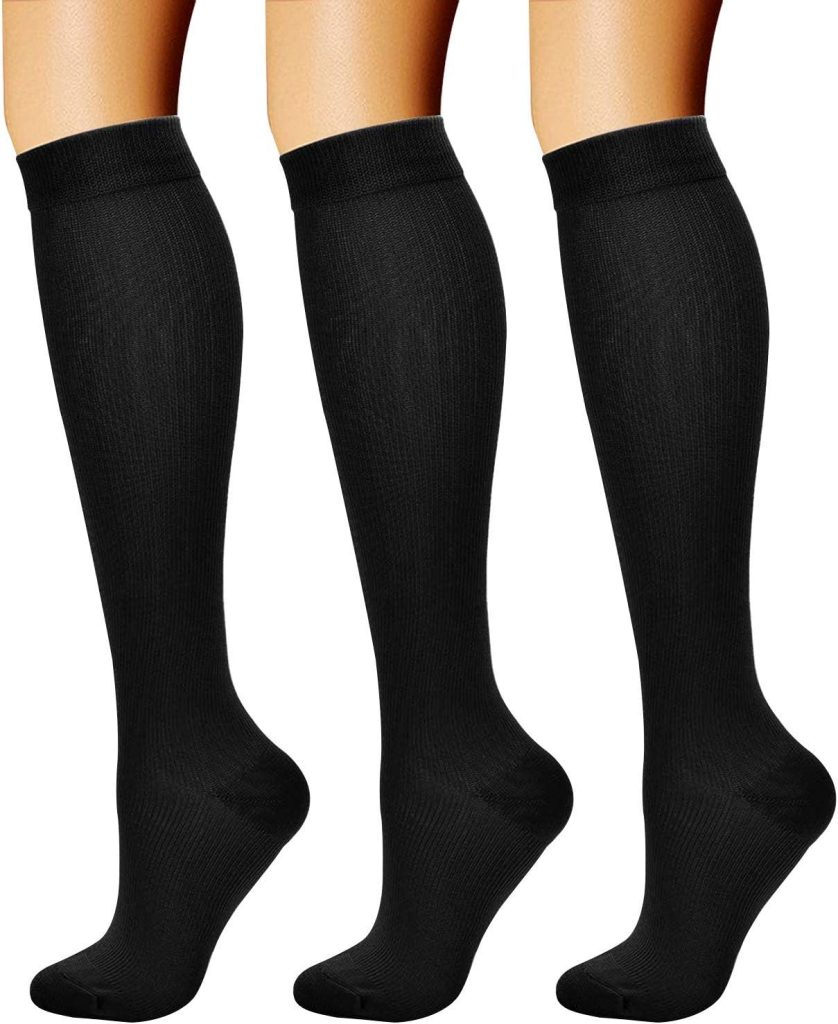
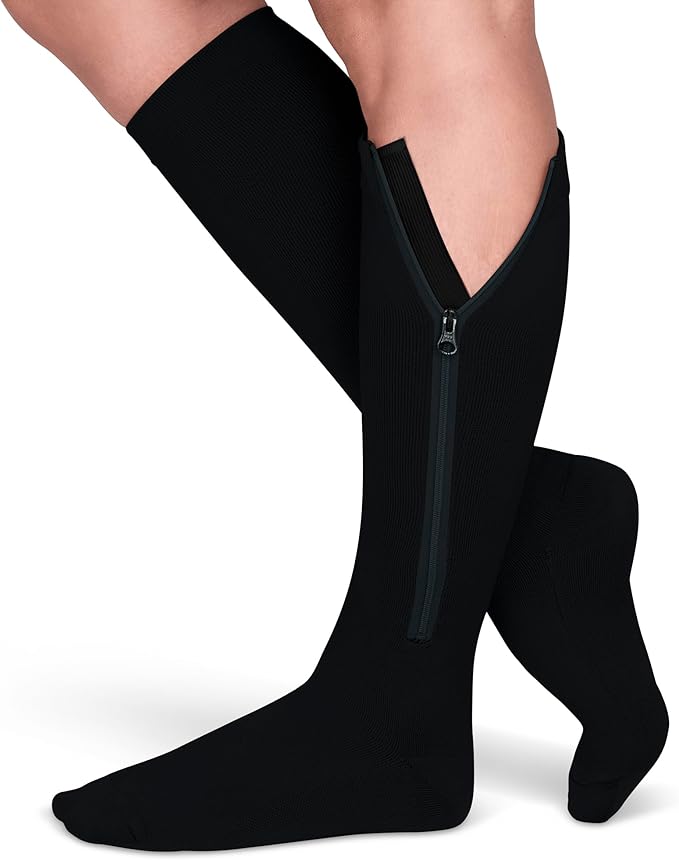
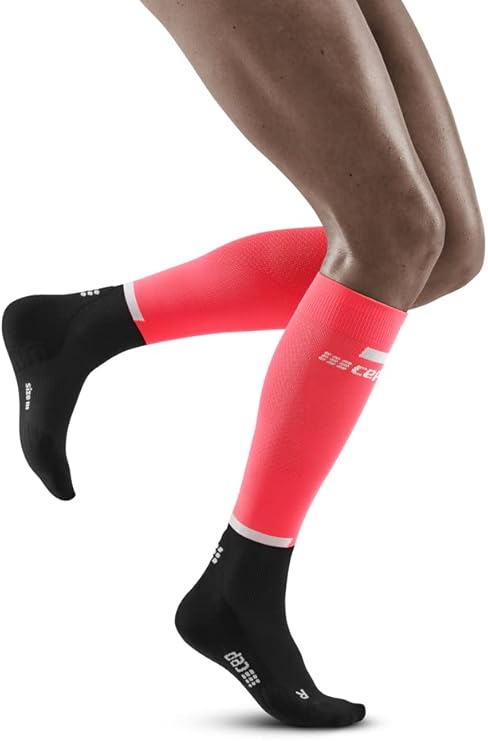
[amazon_products keyword=”Compression Socks” count=”9″ columns=”3″]
Compression Socks Size Chart – A Complete Guide to Choosing the Right Fit for Your Needs
Finding the right compression socks starts with knowing your measurements and understanding what each size and compression level means for your health and comfort. This guide covers everything you need to know — from how to measure your ankle and calf, to choosing the correct compression level for your specific condition. Use our interactive size chart tool above to instantly find your perfect fit.
What Are Compression Socks?
Compression socks are specially designed hosiery that apply graduated pressure to your lower legs, with the tightest compression at the ankle gradually decreasing toward the knee or thigh. This graduated compression helps improve blood circulation, reduce swelling, prevent blood clots, and relieve tired or achy legs. They are commonly used by athletes, travelers, healthcare workers, pregnant women, and people with circulatory conditions such as varicose veins or deep vein thrombosis (DVT).
Benefits of Wearing Compression Socks
1. Improved Circulation
By applying gentle pressure to the veins in the legs, compression socks help blood move more efficiently back toward the heart. This is particularly beneficial for people who sit or stand for long periods during the day.
2. Reduction of Swelling
Compression socks help prevent fluid from pooling in the ankles and feet — a common problem during long flights, pregnancy, or jobs that require prolonged standing. Regular use can significantly reduce visible swelling and discomfort.
3. Enhanced Athletic Performance and Recovery
Many athletes wear compression socks during training and competitions to delay muscle fatigue and improve oxygen delivery. Post-workout, they help reduce soreness and speed up muscle recovery by flushing out lactic acid.
4. Prevention of Varicose Veins
Consistent use of compression socks can slow the progression of varicose veins and reduce the aching and heaviness associated with them. Medical-grade compression is often recommended as part of a broader treatment plan.
5. Comfortable During Long Travel
Long-haul flights and road trips significantly increase the risk of deep vein thrombosis. Wearing compression socks during travel compresses the veins, keeps blood moving, and reduces the risk of clot formation.
Why Sizing Is Important for Compression Socks
Unlike regular socks, compression socks must fit precisely to deliver the correct amount of pressure. Socks that are too small may restrict circulation and cause discomfort or bruising. Socks that are too large will not provide the therapeutic compression they are designed for, making them ineffective. Always measure both your ankle and calf circumference before selecting a size.
How to Measure for Compression Socks
1. Measure Your Ankle Circumference
Measure the circumference of your ankle at its narrowest point, just above the ankle bone. Take the measurement in the morning when swelling is minimal for the most accurate result. Record the measurement in inches.
2. Measure Your Calf Circumference
Measure the widest part of your calf — usually about halfway between the knee and the ankle. Keep the measuring tape snug but not tight. This measurement is often the deciding factor when you fall between sizes.
3. Consider Your Shoe Size Optional
Some brands use shoe size as an additional reference point. While not always required, if two sizes overlap in your ankle and calf measurements, your shoe size can help determine the best fit.
Compression Socks Size Chart
| Size | Ankle Circumference | Calf Circumference | Compression Level | Best For |
|---|---|---|---|---|
| XS | 7–8 inches | 10–13 inches | 8–15 mmHg | Mild discomfort, daily wear, travel |
| S | 8–9 inches | 13–15 inches | 15–20 mmHg | Tired legs, mild swelling, athletes |
| M | 9–10 inches | 15–17 inches | 20–30 mmHg | Moderate swelling, varicose veins |
| L | 10–11 inches | 17–19 inches | 20–30 mmHg | Severe swelling, post-surgery recovery |
| XL | 11–12 inches | 19–21 inches | 30–40 mmHg | Severe varicose veins, edema, medical use |
| XXL | 12–13 inches | 21–23 inches | 30–40 mmHg | Extreme circulation problems, therapeutic use |
Choosing the Right Compression Level
Compression levels are measured in millimeters of mercury (mmHg). The higher the number, the stronger the compression. Here is a quick guide to each level:
8–15 mmHg – Mild
Light compression for everyday comfort. Ideal for long travel, minor leg fatigue, and general wellness.
15–20 mmHg – Moderate
Over-the-counter medical grade. Good for athletes, frequent travelers, and mild varicose veins.
20–30 mmHg – Firm
Medical grade. Recommended for moderate to severe varicose veins, post-surgical recovery, and edema.
30–40 mmHg – Extra Firm
Strong medical compression. Typically prescribed by a doctor for severe DVT, lymphedema, or chronic venous insufficiency.
Mild Compression (8–15 mmHg)
This is the lightest compression level and is available without a prescription. It is suitable for people who want to prevent leg fatigue during long days at work, flights, or light activity. XS size compression socks typically fall in this range.
Moderate Compression (15–20 mmHg)
This level is widely used by athletes for performance and recovery, as well as by people who stand or sit for extended periods. It helps with mild to moderate swelling and is the most common compression level for everyday therapeutic use.
Firm Compression (20–30 mmHg)
This is a medical-grade compression level frequently recommended by healthcare professionals for managing varicose veins, moderate edema, and recovery after orthopedic surgery. Sizes M and L typically deliver this level of compression.
Extra Firm Compression (30–40 mmHg)
The strongest widely available compression level, XL and XXL compression socks often provide 30–40 mmHg. This level is usually prescribed by a doctor and is used for severe chronic venous disease, lymphedema, and post-thrombotic syndrome.
How to Wear Compression Socks Correctly
Put on compression socks first thing in the morning, before swelling begins. Turn the sock inside out down to the heel, place your foot in, then gradually roll the sock up over your calf, smoothing out any wrinkles as you go. Never fold or roll the top of the sock down, as this creates a tourniquet effect. Remove them at bedtime unless a doctor has directed otherwise.
FAQs About Compression Socks Size Chart
1. Why is it important to use a compression socks size chart?
Compression socks only work correctly when they fit properly. An incorrect size can either restrict blood flow if too tight or fail to deliver any therapeutic benefit if too loose. Using the size chart based on your ankle and calf measurements ensures the socks apply the right amount of pressure for your specific needs.
2. What happens if compression socks are the wrong size?
Socks that are too small can cut off circulation and cause numbness, tingling, or skin irritation. Socks that are too large slide down and bunch up, creating pressure points and providing no real compression benefit. Always measure carefully before purchasing.
3. Are compression socks the same as support socks?
Support socks provide uniform, light pressure across the foot and leg without graduated compression. True compression socks deliver graduated compression — tightest at the ankle and decreasing up the leg — which is more effective for improving circulation and managing medical conditions.
4. What size compression socks do I need for 20–30 mmHg?
For 20–30 mmHg compression, sizes M and L are most common. M fits an ankle circumference of 9–10 inches and calf of 15–17 inches, while L fits an ankle of 10–11 inches and calf of 17–19 inches. Use our interactive size tool above to confirm your exact size.
5. Should I consult a doctor before using compression socks?
For compression levels of 20–30 mmHg and above, it is advisable to consult a healthcare professional, especially if you have diabetes, peripheral artery disease, or skin conditions. Mild compression levels (8–15 mmHg) are generally safe for most people without a prescription.
6. Why CAN’T compression socks be worn at night?
When lying down, gravity is no longer a factor in blood pooling, so compression socks are generally not needed during sleep. Wearing them at night can actually restrict circulation unnecessarily. Always follow your doctor’s advice if you have been prescribed overnight compression therapy.
7. How often should compression socks be replaced?
Most compression socks should be replaced every 3 to 6 months with regular daily use, as the elastic fibers gradually lose their ability to maintain consistent pressure. Washing them correctly — by hand or on a gentle cycle — helps extend their lifespan.
8. Can athletes use the same chart for compression socks?
Yes. Athletes use the same measurement-based size chart. For performance and recovery purposes, compression levels of 15–20 mmHg (size S) or 20–30 mmHg (sizes M or L) are most commonly recommended depending on the intensity of activity and the individual’s leg measurements.
9. Are there different size charts for different compression sock brands?
Size charts can vary slightly between brands. Always refer to the specific brand’s chart alongside general guidelines. Our tool above uses standardized measurements that align with most major compression sock manufacturers.
10. What is the best size for long-haul flights?
For travel, most people find that size S or M with a compression level of 15–20 mmHg provides the ideal balance of comfort and circulation support. If you experience significant swelling during flights, consult your doctor about whether 20–30 mmHg may be more appropriate.
11. What does the mmHg number on compression socks mean?
mmHg stands for millimeters of mercury, the same unit used to measure blood pressure. It indicates the amount of pressure the sock applies at the ankle. Higher mmHg means stronger compression. Socks rated at 30–40 mmHg provide nearly four times the pressure of 8–15 mmHg socks.
12. When should I use high-compression socks (30–40 mmHg)?
High-compression socks (XL and XXL, 30–40 mmHg) are typically prescribed by a doctor for serious medical conditions such as lymphedema, severe chronic venous insufficiency, deep vein thrombosis, or recovery from significant vascular surgery. Do not self-prescribe this level without medical guidance.
Conclusion
Choosing the right compression socks requires accurate measurements and a clear understanding of your needs. Whether you are an athlete seeking faster recovery, a traveler looking to prevent swelling, or someone managing a medical condition, selecting the correct size and compression level makes all the difference. Use the interactive compression socks size chart tool at the top of this page to find your perfect fit instantly — just select your size and get your detailed specifications in one click.