
Climbing Rope Size Finder
Best Selling Climbing Rope in 2026
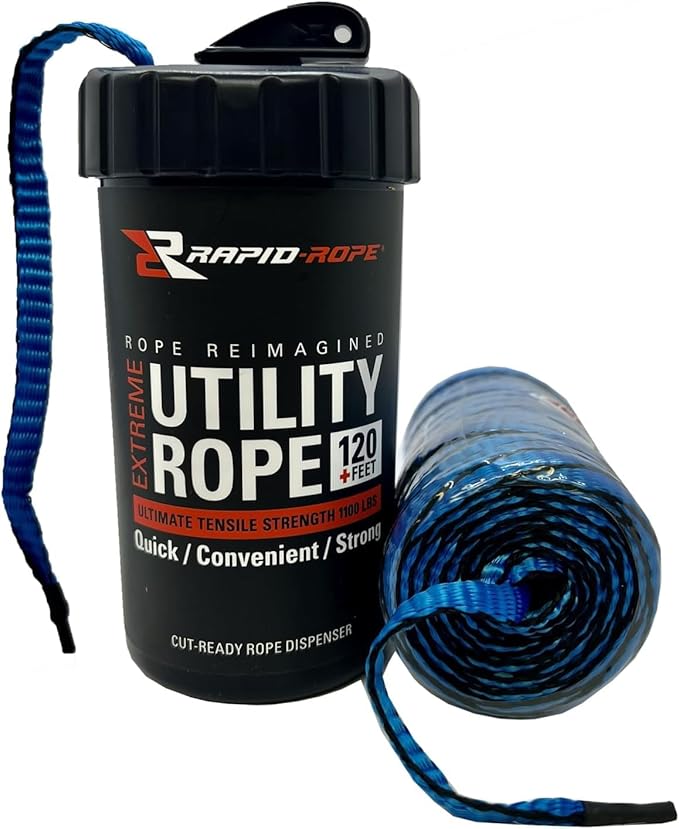
Looking for the best Climbing Rope? We've handpicked the top-rated, best-selling options available on Amazon right now. Whether you're comparing sizes or searching for the perfect fit, these picks are loved by thousands of happy customers.
* As an Amazon Associate I earn from qualifying purchases.
Climbing Rope Size Chart to help climbers choose the correct rope based on their needs. The chart typically covers rope diameter, length, and the intended type of climbing (e.g., sport, trad, ice, etc.).
Looking for the perfect fit? Check out these Best-Selling Climbing Rope.



Climbing Rope Size Chart
| Rope Diameter | Rope Type | Intended Use | Typical Lengths | Characteristics & Notes |
|---|---|---|---|---|
| 7.8mm – 8.5mm | Single Rope | Sport Climbing, Gym Climbing | 60m, 70m | Thin ropes for experienced climbers. Lighter and more packable but less durable. |
| 8.6mm – 9.4mm | Single Rope | Sport Climbing, Trad, Alpine | 60m, 70m | Versatile and lighter, with a good balance of durability and weight. |
| 9.5mm – 10.1mm | Single Rope | Sport Climbing, Trad, Alpine | 50m, 60m, 70m | A good all-around size for climbers seeking durability and handling. |
| 10.2mm – 10.5mm | Single Rope | Trad, Alpine, Multi-Pitch Climbing | 50m, 60m, 70m | Durable, easier to handle for beginners, but heavier. Great for trad and multipitch. |
| 10.5mm – 11mm | Single Rope | Trad, Alpine, Multi-Pitch Climbing | 50m, 60m | Very durable, often used for trad climbers and heavy use. Easy to handle but heavier. |
| 11mm – 12mm | Single Rope | Heavy Duty Trad, Rescue, Caving | 50m, 60m | Very durable, used for heavy-duty applications such as rescue or caving. |
| 8mm – 9mm | Half Rope | Ice Climbing, Alpine, Multi-Pitch | 50m, 60m | Lighter and thinner ropes designed to be used in pairs for more technical climbs. |
| 9mm – 9.5mm | Half Rope | Alpine, Ice Climbing, Multi-Pitch | 50m, 60m | Lighter half ropes for mountaineering and alpine routes with technical demands. |
| 10mm – 11mm | Twin Rope | Ice Climbing, Alpine, Multi-Pitch | 50m, 60m | Twin ropes are used in pairs. Usually more durable but require careful handling. |
Key Considerations When Choosing a Climbing Rope:
- Rope Diameter:
- Thin ropes (7.8mm – 8.5mm) are lighter, more packable, and better for experienced climbers who want to minimize weight. However, they are less durable and can be harder to handle.
- Medium diameter ropes (9.5mm – 10.1mm) offer a balance of durability, ease of handling, and weight.
- Thicker ropes (10.5mm – 12mm) are typically used for heavy-duty applications, such as trad or multi-pitch climbing, where durability is essential.
- Rope Length:
- Common lengths for climbing ropes are 50m, 60m, and 70m. For most sport climbs, 60m is the most popular.
- Longer ropes are typically used for multi-pitch or alpine climbs.
- Rope Type:
- Single ropes are typically used alone for most sport and trad climbing.
- Half ropes (usually thinner) are used in pairs and are ideal for alpine and ice climbing.
- Twin ropes are always used in pairs and are designed for ice and alpine climbing, offering more flexibility and redundancy.
- Durability vs. Weight:
- Thicker ropes are more durable but heavier and can be harder to handle.
- Thinner ropes are lighter and easier to pack but are generally less durable.
- Other Factors:
- Dry-treated ropes: These are designed for wet or snowy conditions and have a coating that prevents them from absorbing water, which can add weight and reduce performance.
- Impact Force and Fall Rating: Look for ropes with a lower impact force, which is more forgiving on the climber and the anchor points.
- UIAA Fall Rating: This rating indicates how many falls a rope can withstand before it starts to degrade.
Climbing Rope Types:
- Single Rope: The most common rope used in sport and trad climbing. It is rated to be used alone.
- Half Rope: Designed to be used in pairs. Ideal for alpine or ice climbing where weight savings are important, and the climber is on mixed terrain.
- Twin Rope: Also used in pairs but requires the ropes to be used together at all times. Often used for mountaineering, ice climbing, or high-altitude alpine routes.
FAQs About Climbing Rope
1. What are the different types of climbing ropes?
Climbing ropes fall into three main categories:
- Dynamic Ropes: Designed to stretch and absorb the impact of a fall. Used for sport, trad, and lead climbing.
- Static Ropes: Minimal stretch. Ideal for rappelling, hauling gear, rescue, or fixed lines.
- Twin, Half, and Single Ropes: Variations of dynamic ropes used based on climbing style and safety needs.
2. What is rope diameter and why does it matter?
Rope diameter affects weight, durability, and handling:
- 8.5–9.5 mm: Lightweight, good for alpine or multi-pitch routes
- 9.5–10 mm: All-around ropes for gym and outdoor climbing
- 10–11 mm: Durable and great for top-roping or beginner use
Thinner ropes are lighter but wear faster; thicker ropes last longer but are heavier.
3. How long should my climbing rope be?
It depends on your climbing location:
- Indoor/Gym: 30–40 meters
- Sport Climbing: 60–70 meters is most common
- Multi-Pitch or Big Wall: 70–80+ meters or twin/half ropes
Always check the length of the route and add extra for tying knots and anchors.
4. What does “dynamic rope” mean?
Dynamic ropes are made to stretch under load, reducing the impact force on both the climber and protection during a fall. This is essential for lead climbing.
5. What does rope “dry treatment” mean?
Dry-treated ropes are water-resistant, preventing them from absorbing moisture. This is especially useful for ice climbing, alpine environments, or wet weather.
6. How often should I replace my climbing rope?
It depends on use and wear:
- Heavy use (daily): Replace every 1 year
- Moderate use (monthly): 2–3 years
- Occasional use (few times a year): Up to 5 years
Always inspect for frays, flat spots, discoloration, or soft sections.
7. Can I cut a rope if the end is damaged?
Yes. If only the rope end is worn, you can trim it back using a hot knife or heat-sealed method. Be sure to record the new length and label it accordingly.
8. What’s the difference between single, half, and twin ropes?
- Single Ropes: One rope used for the entire climb — most common
- Half Ropes: Two ropes clipped alternately for wandering routes
- Twin Ropes: Two ropes clipped together as one for extra safety
9. How do I store and care for my rope?
- Store in a cool, dry place, away from direct sunlight and chemicals
- Use a rope bag to avoid dirt and abrasion
- Coil your rope properly and inspect it before each climb
10. Can I use a climbing rope for rappelling or rescue?
Use static ropes for rappelling, ascending, or rescue — they don’t stretch like dynamic ropes and provide more control and safety in those situations.
Conclusion
Your climbing rope is your lifeline, so understanding its types, specs, and care is essential for safety and performance. Always choose the right rope for your activity, inspect it regularly, and retire it when necessary. When in doubt, consult with an expert or your local climbing shop.