
Select Your Baby Onesie Size
Onesie Size Details:
Preemie
Recommended Age: Premature Babies
Weight Range: Up to 5 lbs
Height Range: 17” – 18”
Newborn
Recommended Age: 0-3 Months
Weight Range: 5 – 8 lbs
Height Range: 18” – 22”
0-3 Months
Recommended Age: 0-3 Months
Weight Range: 8 – 12 lbs
Height Range: 22” – 24”
3-6 Months
Recommended Age: 3-6 Months
Weight Range: 12 – 17 lbs
Height Range: 24” – 26”
6-9 Months
Recommended Age: 6-9 Months
Weight Range: 17 – 21 lbs
Height Range: 26” – 28”
9-12 Months
Recommended Age: 9-12 Months
Weight Range: 21 – 24 lbs
Height Range: 28” – 30”
12-18 Months
Recommended Age: 12-18 Months
Weight Range: 24 – 28 lbs
Height Range: 30” – 32”
18-24 Months
Recommended Age: 18-24 Months
Weight Range: 28 – 30 lbs
Height Range: 32” – 34”
Looking for the perfect fit? Check Out These Best-Selling baby Onesie .
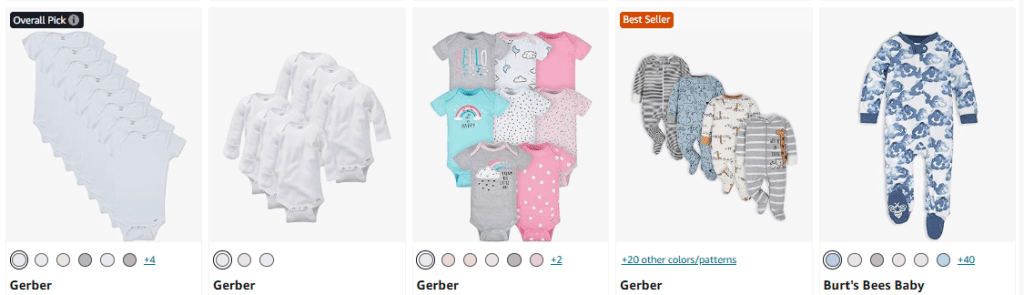
Best Selling Baby Onesie in 2026
Looking for the best Baby Onesie? We've handpicked the top-rated, best-selling options available on Amazon right now. Whether you're comparing sizes or searching for the perfect fit, these picks are loved by thousands of happy customers.
* As an Amazon Associate I earn from qualifying purchases.
Baby Onesie Size Guide - Everything You Need to Know for the Perfect Fit
When shopping for baby clothing, one of the most essential items you will need is a onesie. Baby onesies are incredibly versatile and practical, keeping babies comfortable and stylish throughout the day. Whether you’re looking for a onesie for a newborn or an older infant, choosing the right size is key to ensuring comfort and ease of movement.
We’ll cover the different sizes available, the key factors to consider when choosing a size, and how to find the best onesie for your baby. We’ll also provide a handy size chart to make the selection process easier.
What Is a Baby Onesie?
A baby onesie, sometimes called a bodysuit, is a one-piece garment designed for infants and toddlers. These garments are typically made from soft cotton fabric, providing comfort for babies throughout the day and night. Onesies are perfect for layering under clothing or wearing alone, and they often come with snap buttons at the crotch for easy diaper changes.
The Versatility of Baby Onesies
- Everyday Wear: Onesies are perfect for daily wear, keeping babies warm, cozy, and comfortable.
- Sleepwear: Many parents opt for onesies as sleepwear since they provide warmth and eliminate the need for additional clothing.
- Layering: Onesies are perfect for layering under other clothes during cooler weather, helping keep babies comfortable.
- Ease of Changing: The snap buttons at the bottom make diaper changes quick and easy, which is one of the reasons parents love them.
Understanding Baby Onesie Sizes
Choosing the right size for your baby’s onesie is essential for both comfort and convenience. Babies grow quickly, so it’s important to ensure that the onesie isn’t too tight or too loose. Below, we’ll go over the common baby onesie sizes and help you understand the key factors that will help guide your decision-making.
Factors to Consider When Choosing the Right Size
Choosing the right size for your baby’s onesie is crucial for their comfort, as well as for practical purposes like diaper changes. Here are some things to consider:
- Baby’s Weight: The weight range is the most reliable guide for selecting the right onesie size. It’s often more accurate than the age range, as babies may grow at different rates.
- Baby’s Height: Some babies may be taller or shorter than average for their age. Height is also a good indicator of which onesie size to choose. Always check the height range provided by the brand.
- Growth Rate: Babies grow quickly, so it’s often a good idea to size up to accommodate growth. This ensures that your baby won’t outgrow their onesie too soon. Consider buying a onesie one size larger than your baby’s current size.
- Fit Preference: Some parents prefer a looser fit for their baby’s onesie, while others may prefer a snugger fit. Consider your baby’s comfort and your personal preferences when choosing the size.
- Brand Differences: Different brands may have slightly different sizing standards, so always refer to the size chart of the specific brand you're purchasing from. This will help ensure the best fit for your baby.
- Seasonal Considerations: For colder weather, consider sizing up slightly to allow for layering underneath the onesie. For warmer weather, stick to your baby’s regular size to ensure they stay comfortable.
Baby Onesie Size Chart
To make the process of choosing the right size easier, refer to the following table for quick reference. This table outlines the different sizes, weight, height, and typical age range for each baby onesie size.
| Size | Age Range | Weight Range | Height Range |
|---|---|---|---|
| Preemie | Premature Babies | Up to 5 lbs | 17” – 18” |
| Newborn | 0-3 Months | 5 – 8 lbs | 18” – 22” |
| 0-3 Months | 0-3 Months | 8 – 12 lbs | 22” – 24” |
| 3-6 Months | 3-6 Months | 12 – 17 lbs | 24” – 26” |
| 6-9 Months | 6-9 Months | 17 – 21 lbs | 26” – 28” |
| 9-12 Months | 9-12 Months | 21 – 24 lbs | 28” – 30” |
| 12-18 Months | 12-18 Months | 24 – 28 lbs | 30” – 32” |
| 18-24 Months | 18-24 Months | 28 – 30 lbs | 32” – 34” |
Tips for Buying Baby Onesies
Here are some helpful tips for buying baby onesies:
1. Buy in Bulk
Onesies are a staple in your baby’s wardrobe, so you’ll need more than just one or two. Buying in bulk can save you money and ensure you always have a clean onesie on hand.
2. Choose Soft, Breathable Fabrics
Babies have delicate skin, so it’s important to choose onesies made from soft, breathable fabrics like cotton. Organic cotton is a great option for sensitive skin, as it’s gentle and free from harmful chemicals.
3. Look for Easy Diaper Access
Onesies with snap buttons at the crotch are ideal for easy diaper changes. Some onesies also feature envelope necklines, which make them easier to pull on and off without over-the-head struggles.
4. Go for Versatility
Choose onesies that can be worn alone or layered with other clothing. Neutral colors and simple designs are great for mixing and matching with other items in your baby’s wardrobe.
5. Check the Brand’s Size Chart
Always check the brand’s size chart before purchasing, as different brands may have slightly different sizing standards. Size charts are based on general measurements but may differ slightly.
6. Consider Growth Spurts
Babies grow quickly, so it’s a good idea to buy onesies that will last for a few months. Consider purchasing a slightly larger size to accommodate your baby’s growth.
7. Don’t Forget About Seasonality
If you’re buying onesies for a colder season, look for long-sleeve options that can be layered under other clothing. For warmer weather, short-sleeve and sleeveless onesies are perfect.
Conclusion
Choosing the right baby onesie size is crucial for your baby’s comfort and convenience. With a variety of sizes to choose from, it’s important to consider your baby’s weight, height, and growth rate to ensure the best fit. Refer to the size guide above and always check the size chart provided by the brand to make an informed decision.
By investing in the right onesies, you’ll ensure that your baby stays cozy, comfortable, and stylish at all times.