
Find Your Baby’s Bib Size
Looking for the perfect fit? Check out these Best-Selling Baby’s Bib.
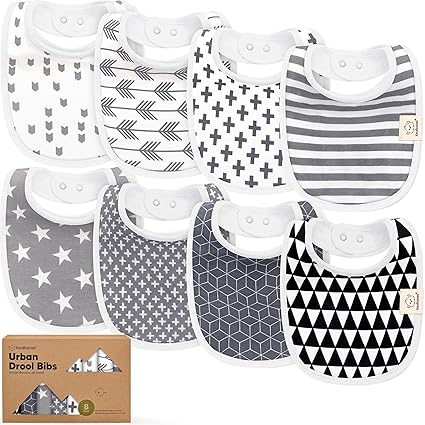
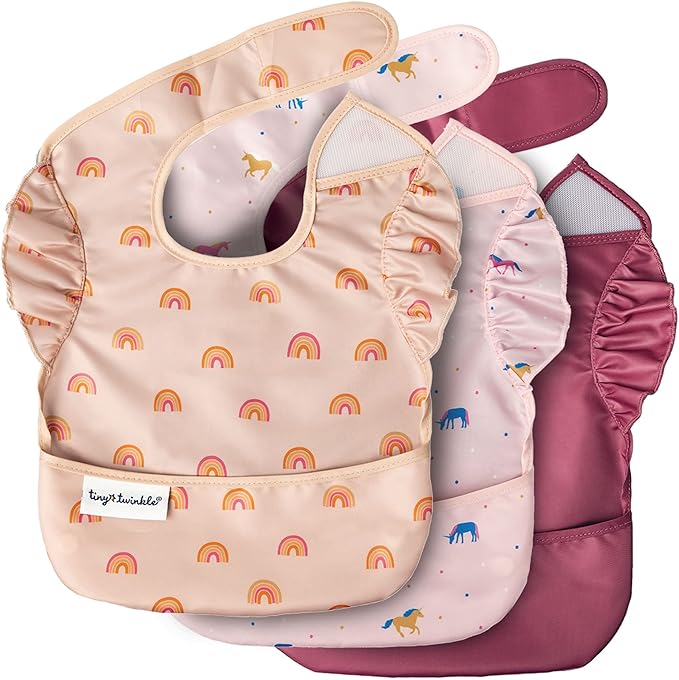
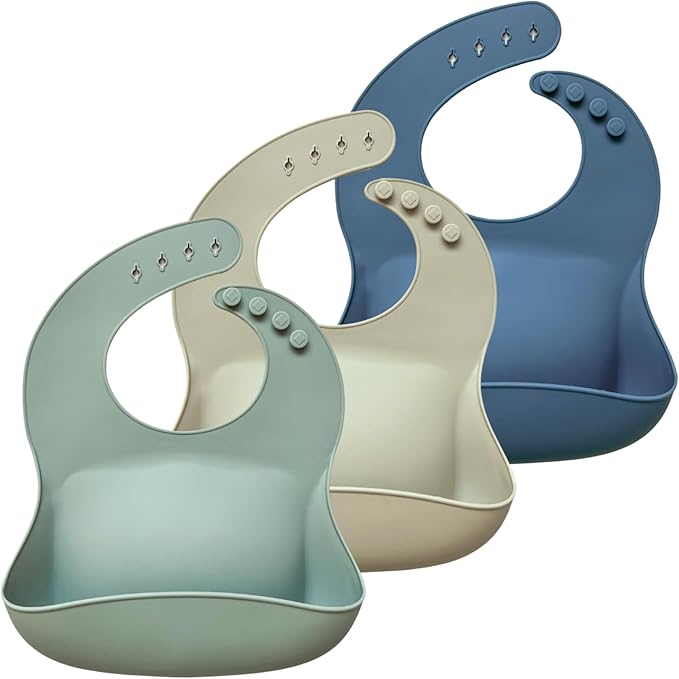
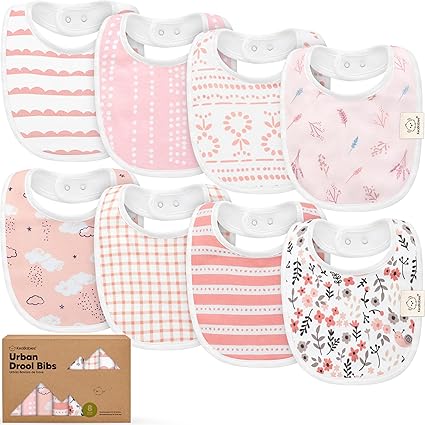
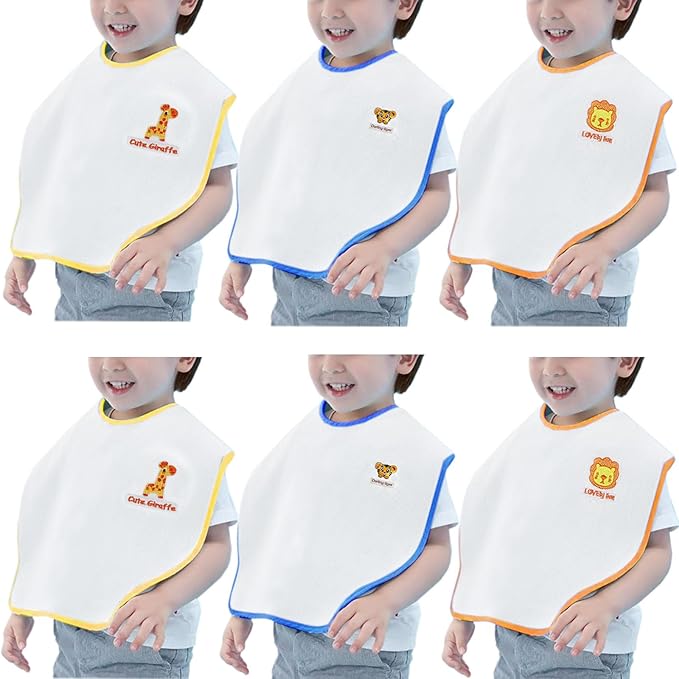
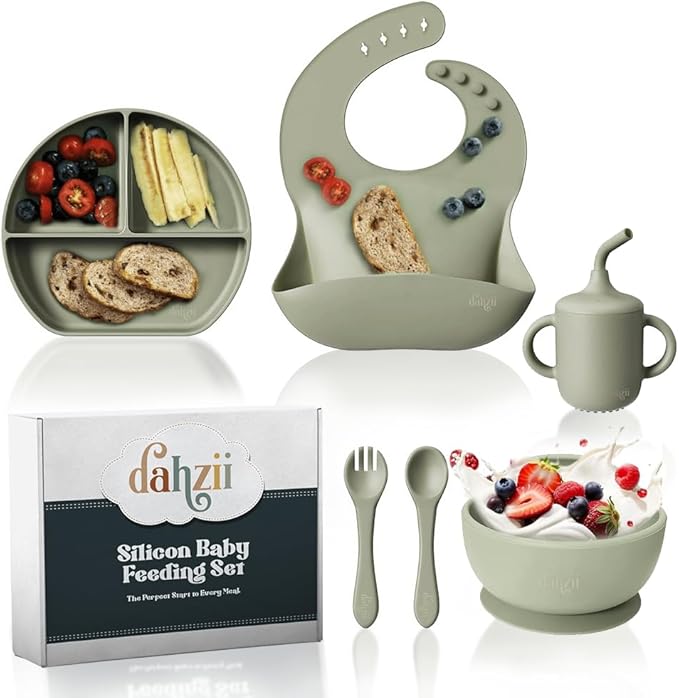
Baby Bib size chart helps parents select the correct size of bibs for their little ones as they grow. Bibs are essential for keeping babies clean during feeding and protecting their clothes from drool, food, and liquids. The size of the bib should fit the baby's neck and chest comfortably while offering enough coverage without being too tight or too loose.
[amazon_products keyword="Baby Bib" count="9" columns="3"]
Baby Bib Size Chart
| Size | Recommended Age | Neck Circumference (inches) | Width (inches) | Length (inches) | Use/Description |
|---|---|---|---|---|---|
| Newborn | 0 - 3 months | 9 - 10 inches | 6 - 7 inches | 6 - 7 inches | Small bibs designed for newborns, typically covering the chest area for light drooling or feeding. |
| Infant | 3 - 6 months | 10 - 11 inches | 7 - 8 inches | 8 - 9 inches | Slightly larger bibs for babies who are eating solids or drooling more. |
| Toddler | 6 - 18 months | 11 - 12 inches | 8 - 9 inches | 9 - 10 inches | Perfect for older babies or toddlers, providing more coverage for feeding, drooling, and playtime. |
| Preschooler | 18 months - 3 years | 12 - 13 inches | 9 - 10 inches | 10 - 11 inches | For toddlers or preschool-aged children, ideal for messy meals or arts & crafts. |
| Deluxe/Twin (Adjustable) | 3 years and up | 13 - 14 inches | Adjustable | 11 - 12 inches | Adjustable bibs for older children, which can grow with the child. These are larger in coverage and fit a range of neck sizes. |
How to Choose the Right Baby Bib Size:
- Neck Circumference:
- Measure the baby’s neck using a soft measuring tape. A comfortable fit around the neck is essential, as it ensures the bib stays in place without being too tight or too loose. The neck measurement provided in the size chart will help guide you.
- Age and Growth:
- The baby’s age and development are important factors when choosing a bib. Newborn bibs are smaller and mainly used for drooling, while toddler bibs have a larger surface area for feeding, as babies start to eat solid foods.
- Bib Style:
- Velcro, snap, or adjustable bibs: These are some common fastening options. Adjustable bibs are a great choice because they can be used for a longer time as your baby grows.
- Consider the length and width of the bib. For older babies and toddlers, you’ll need a bib that covers more of the chest and shoulders to catch more food and liquids.
- Material:
- Look for waterproof or absorbent materials, such as cotton, terrycloth, or silicone. Waterproof bibs are especially helpful for preventing liquid from soaking through, while silicone bibs are easy to clean and perfect for messy meals.
FAQs About Baby’s Bib
1. When should my baby start using a bib?
Most babies start using bibs around 3–6 months, when drooling increases or when they begin teething or eating solids. Some parents even use bibs earlier for bottle-feeding or spit-up.
2. What are the different types of baby bibs?
There are several types:
- Drool Bibs: Small, soft, absorbent — great for teething
- Feeding Bibs: Larger, often waterproof or silicone — protect clothes during meals
- Sleeved Bibs: Full-coverage bibs with sleeves — ideal for messy eaters
- Bandana Bibs: Stylish and functional — perfect for drool control
3. What material is best for baby bibs?
Common materials include:
- Cotton: Soft and absorbent, great for everyday use
- Terry Cloth: Extra absorbent for heavy droolers
- Silicone: Waterproof, easy to clean, and durable — great for mealtimes
- Polyester with waterproof backing: Prevents leaks and protects clothing
4. How many bibs do I need?
It depends on your baby’s age and habits:
- For newborns or light droolers: 3–5 bibs may be enough
- For teething babies or during solids: 7–10+ bibs for daily rotation
5. Are baby bibs machine washable?
Yes, most cloth bibs are machine washable. Always check the care label.
Silicone bibs can usually be wiped clean or placed in the top rack of the dishwasher.
6. How do I choose the right size bib for my baby?
Choose bibs based on your baby’s age and purpose:
- Newborns: Small, soft drool bibs
- Infants/Toddlers: Larger feeding bibs with better coverage
Adjustable snaps or Velcro closures help accommodate growth.
7. Are Velcro or snap bibs better?
- Snaps: More secure, harder for babies to remove
- Velcro: Easier to put on/off but may wear out or stick to other laundry
Choose what works best for your routine and baby’s age.
8. Are bibs safe for sleeping?
No — remove bibs before naps or bedtime. Bibs can pose a choking or strangulation hazard if left on during sleep.
9. Can my baby wear a bib all day?
Bibs can be worn during awake time if your baby is drooling or feeding, but it’s best to remove them regularly to prevent skin irritation or rashes from moisture buildup.
10. Do I need waterproof bibs?
Waterproof bibs are great for mealtime and heavy droolers, as they prevent clothing from getting soaked. They're especially useful during teething or messy solid food stages.
Conclusion
Bibs are one of those baby essentials that help keep things (a little) less messy. Whether you’re tackling drool, bottles, or spaghetti night, choosing the right bib type and material can save laundry time and protect your baby’s skin. Just remember: comfort, safety, and practicality are key!