
Overcoat Size Guide
Recommended Overcoat Size:
Please select your height to see the recommended overcoat size.
Best Selling Overcoat in 2026
Looking for the best Overcoat? We've handpicked the top-rated, best-selling options available on Amazon right now. Whether you're comparing sizes or searching for the perfect fit, these picks are loved by thousands of happy customers.

SOMTHRON Men's Casual Trench Coat Slim Fit Notched Collar Long Jacket Over…
View on Amazon →
xxxiticat Men's Winter Trench Coat Long Sleeve Notch Lapel Single Breasted…
View on Amazon →
Springrain Men's Wool Blend Pea Coat Notched Collar Single Breasted Overco…
View on Amazon →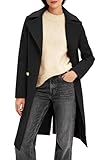
OTU Vibe Women's Long Notch Lapel Coat, Double-Breasted Peacoat, Casual Cl…
View on Amazon →
COOFANDY Mens Trench Coat Pea Coat Single Breasted Outwear Classic Notched…
View on Amazon →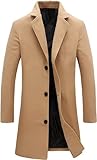
Springrain Men's Wool Blend Pea Coat Notched Collar Single Breasted Overco…
View on Amazon →
Runcati Mens Wool Blend Casual Trench Coat Notched Collar Lapel Long Jacke…
View on Amazon →
IDEALSANXUN Long Wool Coats for Women 2026 Peacoat Double Breasted Trench …
View on Amazon →
Tankaneo Womens Long Trench Coat Single Breasted Oversized Windproof Class…
View on Amazon →* As an Amazon Associate I earn from qualifying purchases.
Overcoat Size Guide: How to Find the Perfect Fit for Your Overcoat
An overcoat is a staple piece in any wardrobe, particularly during the colder months. Whether you’re investing in your first overcoat or looking to update your collection, choosing the right size is essential for comfort, warmth, and style. We’ll walk you through everything you need to know about finding the perfect overcoat size, from understanding measurements to considering the fabric and style that best suits you.
We will also provide a comprehensive Overcoat Size Guide to help you make an informed decision based on your body measurements. This guide will ensure that your overcoat fits well, provides the warmth you need, and complements your overall look.
Why the Right Overcoat Size Matters
Overcoats are typically worn over other clothing layers, such as suits, sweaters, or shirts, and are designed to provide warmth and protection against cold weather. When selecting the right overcoat, it’s important to ensure that the fit is both comfortable and flattering, as an overcoat is often worn for longer periods. Here are some key reasons why the right overcoat size matters:
- Comfort: An overcoat that is too tight will restrict your movement, while an overcoat that is too loose may look bulky or feel uncomfortable. The right fit will ensure that you can move freely without feeling weighed down.
- Warmth: The primary function of an overcoat is to keep you warm. A well-sized overcoat will help trap body heat, keeping you comfortable in the cold.
- Style: A well-fitted overcoat enhances your overall appearance. Whether you prefer a sleek, tailored look or a more relaxed, classic style, the right size ensures that your overcoat looks polished and sophisticated.
- Versatility: The right overcoat will allow you to layer underneath it, making it adaptable to different outfits, whether you’re wearing formal attire, casual wear, or a combination of both.
Key Factors to Consider When Choosing an Overcoat
Before diving into sizing details, let’s first examine the factors that play a role in determining the best overcoat fit for you:
- Your Body Measurements
- Chest Size: This is one of the most important measurements to determine the fit of the overcoat. You should measure around the fullest part of your chest to ensure the coat fits comfortably.
- Waist Size: Your waist measurement also plays a role in the fit. A well-fitting overcoat should provide enough room around your waist without being too baggy.
- Height: Your height will determine the length of the overcoat, as you want to ensure that the coat reaches an appropriate place on your body. Generally, taller individuals require longer coats, while shorter individuals may need coats with more tailored cuts.
- Shoulder Width: This measurement determines how well the overcoat fits across your shoulders. It’s essential to ensure that the coat fits comfortably over your shoulders without being too tight or too loose.
- Sleeve Length: The sleeve length is crucial for both comfort and style. Ideally, the sleeves should end slightly past the wrist, allowing for movement without exposing your arms.
- Fit Style Overcoats come in different fits, and understanding these will help you make the right choice for your body type and personal style:
- Slim Fit: A slim fit overcoat is tailored to hug the body closer and offers a sleek and modern look. It works well for individuals who prefer a more streamlined and fitted silhouette.
- Regular Fit: A regular fit is more relaxed and offers a balanced shape that is neither too tight nor too loose. This is the most versatile fit and works well for various body types.
- Loose Fit: A loose fit overcoat is designed for maximum comfort and freedom of movement. It typically offers more room around the body and can be worn over thicker layers for warmth.
- Coat Length The length of your overcoat is another important consideration, especially for style and practicality. Common lengths for overcoats include:
- Short: Typically ending at the hips, short overcoats are a more casual and modern style.
- Mid-Length: These coats typically end around the thighs or just above the knees, providing a balanced look that is both stylish and functional.
- Long: Long overcoats extend below the knees, offering maximum warmth and a classic look. These are ideal for more formal occasions or colder climates.
- Fabric and Insulation Overcoats are made from a variety of materials that influence both warmth and fit. Common materials include:
- Wool: Wool is a popular choice for overcoats due to its warmth, durability, and timeless style. Wool overcoats are versatile and can be worn in various settings.
- Cashmere: Known for its softness and luxury, cashmere offers a lightweight and comfortable option for those who prioritize comfort and sophistication.
- Cotton and Blends: Cotton overcoats are lighter and more breathable, making them suitable for milder climates or spring and fall.
- Synthetic Fabrics: These fabrics are often used for waterproof or insulated overcoats, providing extra protection from the elements.
Overcoat Size Chart
The following Overcoat Size Guide will help you determine the right size based on your chest, waist, and height measurements. You can find your ideal size by matching your measurements to the corresponding overcoat size in the chart.
| Chest Size (inches) | Waist Size (inches) | Height (feet/inches) | Overcoat Size (Men’s) |
|---|---|---|---|
| 34″-36″ | 28″-30″ | 5’0″ – 5’4″ | Small (S) |
| 36″-38″ | 30″-32″ | 5’0″ – 5’4″ | Small (S) |
| 38″-40″ | 32″-34″ | 5’4″ – 5’8″ | Medium (M) |
| 40″-42″ | 34″-36″ | 5’4″ – 5’8″ | Medium (M) |
| 42″-44″ | 36″-38″ | 5’8″ – 6’0″ | Large (L) |
| 44″-46″ | 38″-40″ | 5’8″ – 6’0″ | Large (L) |
| 46″-48″ | 40″-42″ | 6’0″ – 6’2″ | X-Large (XL) |
| 48″-50″ | 42″-44″ | 6’0″ – 6’2″ | X-Large (XL) |
| 50″-52″ | 44″-46″ | 6’2″ – 6’4″ | XX-Large (XXL) |
| 52″-54″ | 46″-48″ | 6’2″ – 6’4″ | XX-Large (XXL) |
Tips for Choosing the Right Overcoat Size
- Consider Layering: When buying an overcoat, remember that you’ll likely wear layers underneath, such as a suit jacket, sweater, or shirt. Ensure that the coat provides enough room to accommodate these layers without feeling tight.
- Tailoring: If you find an overcoat that you love but it’s not quite perfect in certain areas, consider having it tailored. A good tailor can adjust the sleeves, length, or waist to create a more customized fit.
- Try It On: If possible, try on the overcoat before purchasing. Move around in it to ensure you have enough freedom of movement. You should be able to raise your arms comfortably and bend your elbows without the coat feeling too restrictive.
- Check the Length: The length of your overcoat should generally hit just above or below the knee for a balanced look. If you’re taller, you may prefer a longer coat, while shorter individuals may opt for a shorter, more tailored version.
- Consider the Weather: The type of overcoat you choose may vary depending on the weather conditions in your area. For example, a heavy wool coat is ideal for very cold climates, while a lighter cotton or synthetic blend may be more suitable for milder temperatures.
Conclusion
Choosing the right overcoat size is crucial for both style and comfort. By considering your body measurements, fit preferences, and the specific use of the overcoat, you can make an informed decision that ensures you stay warm and stylish throughout the colder months. Use the size chart as a guide, and don’t forget to account for layering and tailoring to achieve a personalized fit.
Whether you’re going for a classic wool coat or a more modern tailored design, the right overcoat will enhance your wardrobe and provide you with the functionality you need during winter. Happy shopping and stay warm!