
Lacrosse Helmet Size Guide
Recommended Helmet Size Details:
Please select a helmet size from the dropdown above.
Best Selling Lacrosse Helmet in 2026
Looking for the best Lacrosse Helmet? We've handpicked the top-rated, best-selling options available on Amazon right now. Whether you're comparing sizes or searching for the perfect fit, these picks are loved by thousands of happy customers.

STX Aero Lacrosse Helmet - White, Silver Mask
View on Amazon →
STX Stallion 75 Lacrosse Gloves, Pair, Black/Gray, Medium
View on Amazon →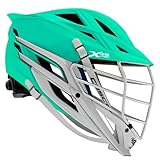
Cascade XRS Pro Lacrosse Helmet – Enhanced Vision, Superior Comfort & Cust…
View on Amazon →
STX Rival Junior Youth Lacrosse Helmet for Players Under 9
View on Amazon →
Cascade XRS PRO Helmet - White Mask: The Ultimate Protection-First Helmet …
View on Amazon →
Easton | Hellcat Slowpitch Softball Helmet | S/M | White
View on Amazon →
Cascade CPVR Lacrosse Helmet with Matte Black Mask (2015)
View on Amazon →
GoHimal Lacrosse Bag Extra Large Lacrosse Backpack with Tow Stick Holder (…
View on Amazon →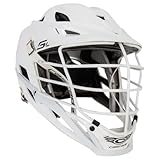
Cascade Adult SL Lacrosse Helmet – Advanced 7 Tech+ Protection with Adjust…
View on Amazon →* As an Amazon Associate I earn from qualifying purchases.
Lacrosse Helmet Size Guide: Finding the Perfect Fit for Your Game
Lacrosse, often referred to as the “fastest sport on two feet,” requires a combination of speed, agility, and protective gear. Among the most crucial pieces of equipment for a player’s safety is the lacrosse helmet. Whether you’re a seasoned player or a beginner, wearing the right helmet that fits well is essential to ensure maximum protection, comfort, and performance on the field.
A lacrosse helmet isn’t just a stylish accessory—it plays a vital role in safeguarding your head from potential impacts, which can happen at high speeds. However, with so many brands, models, and styles available, it can be overwhelming to know where to start when choosing the right helmet.
We’ll cover everything you need to know about selecting the proper lacrosse helmet size, the factors that affect helmet fit, and how to make sure that your helmet provides the best protection for your head. By the end of this guide, you’ll have all the knowledge you need to confidently choose the perfect helmet for your game.
Why Helmet Fit Matters
Before we dive into the specifics of helmet sizes and types, let’s take a moment to understand why getting the right fit is so important. A helmet that fits too loosely or too tightly can negatively impact your performance and, most importantly, your safety. Here’s why:
- Protection: A helmet that is too big or poorly fitted can shift during play, leaving your head vulnerable to injury. A proper fit ensures that the helmet stays in place, offering optimal protection from hits, falls, and collisions.
- Comfort: A helmet that fits snugly but comfortably will prevent pressure points and distractions, letting you focus fully on the game.
- Visibility and Performance: A well-fitted helmet won’t obstruct your vision or affect your movement, ensuring you have the best possible visibility and agility during the game.
- Safety Standards: Properly fitted helmets are designed to meet safety standards, such as those outlined by the NOCSAE (National Operating Committee on Standards for Athletic Equipment), ensuring that your helmet can withstand impacts.
Key Components of a Lacrosse Helmet
To properly understand how to choose the right helmet, it’s essential to know the key components of a lacrosse helmet. Here are the main parts you should consider when selecting a helmet:
- Shell: The hard outer part of the helmet is designed to absorb the force of impacts. The shell is usually made of lightweight, durable materials such as polycarbonate or fiberglass.
- Face Mask/Visor: The face mask or visor protects your face, including your eyes and mouth, from impacts, sticks, and balls. The design of the mask can vary depending on the position you play and your personal preference.
- Chin Strap: The chin strap keeps the helmet securely in place and prevents it from shifting during play. A properly adjusted chin strap ensures a snug, comfortable fit.
- Padding: The internal padding of the helmet is critical for comfort and protection. It cushions your head during impacts and should be made of high-quality foam that conforms to your head shape.
- Fit System: Many helmets feature adjustable fit systems, such as a dial or tightening mechanism, to help you achieve a more customized fit. This system ensures that the helmet stays in place, even during the most aggressive plays.
How to Measure for Lacrosse Helmet Size
Selecting the correct helmet size starts with proper measurements. While each brand may have slightly different sizing, the general process for measuring your head for a lacrosse helmet is the same:
- Measure Your Head Circumference:
- Use a soft measuring tape or a piece of string to measure the circumference of your head. Place the tape about 1 inch above your eyebrows and around the widest part of the back of your head.
- The measurement should be snug but not tight, and the tape should be level around your head.
- Record your measurement in inches, as most lacrosse helmet sizes are labeled in this unit.
- Determine Your Helmet Size:
- Once you have your head measurement, consult the size chart of the helmet brand you are considering. Most brands provide a sizing guide based on head circumference.
- Try the Helmet On:
- After selecting a helmet size based on your measurements, try the helmet on. Adjust the fit using the internal padding or adjustable fit system to ensure that the helmet feels snug without being uncomfortable.
- Make sure the helmet doesn’t shift when you shake your head or move rapidly. Your forehead should be fully covered by the helmet, and the mask should not block your vision.
Lacrosse Helmet Size Chart
To simplify the process, here’s a general lacrosse helmet size chart based on head circumference. Keep in mind that the exact measurements may vary depending on the brand, so always refer to the specific manufacturer’s size guide before making your final selection.
| Head Circumference | Helmet Size | Age Group | Recommended for |
|---|---|---|---|
| 19.5 – 20.5 inches | XS (Extra Small) | Youth | Younger players (ages 6-10) |
| 20.5 – 21.5 inches | S (Small) | Youth / Adult | Youth players or small adult heads (ages 10-15) |
| 21.5 – 22.5 inches | M (Medium) | Adult | Teenagers and smaller adults (ages 15-18) |
| 22.5 – 23.5 inches | L (Large) | Adult | Adults (ages 18+), larger head sizes |
| 23.5 – 24.5 inches | XL (Extra Large) | Adult | Adults with larger head sizes (larger than 24 inches) |
Types of Lacrosse Helmets
Lacrosse helmets come in different styles and designs, each catering to various player needs, preferences, and safety standards. Here’s a breakdown of the main types of lacrosse helmets you’ll find on the market:
- Youth Helmets: These helmets are designed for younger players who are just starting out. Youth helmets are typically lighter and more adjustable to accommodate growing heads. They often feature a simpler face mask and more comfortable internal padding.
- Men’s and Women’s Helmets: While many helmets are unisex, women’s helmets tend to have slightly different designs to accommodate the different facial structure and needs of female players. Men’s helmets are typically bulkier and more protective, with additional features like extended chin guards or adjustable face masks.
- Position-Specific Helmets: Some helmets are designed with specific positions in mind, such as attack, defense, or goalie helmets. Goalie helmets, for example, provide additional protection around the neck and throat area due to the increased risk of injury in that position.
- Adjustable Helmets: Many modern lacrosse helmets come with an adjustable fit system, such as a dial or air bladder mechanism, to ensure a secure fit. These systems allow players to make small adjustments for a customized feel.
- Carbon Fiber and Lightweight Helmets: For elite players looking to reduce weight while maintaining protection, carbon fiber helmets are a popular choice. These helmets are lightweight yet strong and provide optimal comfort and safety.
How to Adjust Your Lacrosse Helmet for a Perfect Fit
Once you’ve selected the right helmet size, the next step is making sure that it fits properly. Here’s a step-by-step guide for adjusting your lacrosse helmet:
- Adjust the Chin Strap:
- The chin strap should be snug but not tight against your chin. It should hold the helmet securely in place without causing discomfort or restricting your movement.
- Adjust the Internal Padding:
- Most helmets come with adjustable padding or fit systems. Adjust the padding to make sure it is evenly distributed across your head, providing support without any pressure points.
- Check the Forehead:
- The front of the helmet should sit about one inch above your eyebrows. If the helmet sits too high or too low, it may not provide optimal protection.
- Test the Fit:
- Once adjusted, shake your head vigorously to make sure the helmet stays securely in place. There should be no movement or shifting. If the helmet moves, you may need to adjust the straps or padding again.
- Test the Face Mask:
- The face mask should offer clear visibility and should not obstruct your view of the field. Ensure that the mask is securely attached and positioned at a comfortable distance from your face.
Conclusion
Choosing the right lacrosse helmet is an essential part of ensuring your safety and performance on the field. The right helmet not only protects you from potential injuries but also provides the comfort and fit you need to play your best.
By following this lacrosse helmet size guide, you’ll have the tools and knowledge needed to select the perfect helmet for your needs. Whether you’re a youth player just starting out or an experienced adult player, finding the right size and fit will help you play with confidence and safety.