
Find Your Hockey Helmet Size
Looking for the perfect fit? Check out these Best-Selling Hockey Helmet.
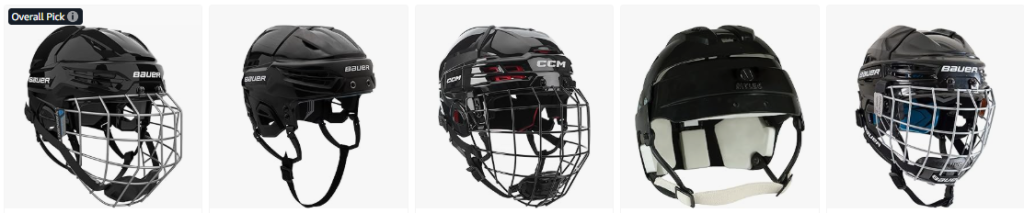
A hockey helmet size chart is a useful guide for selecting the correct helmet size based on head measurements. Wearing a properly fitted helmet is crucial for safety in hockey, as it protects players from head injuries. The chart typically includes measurements in both inches and centimeters to ensure the right fit for players of all ages.
[amazon_products keyword="Hockey Helmet" count="9" columns="3"]
Hockey Helmet Size Chart
| Helmet Size | Head Circumference | Head Circumference (cm) | Recommended Age Group |
|---|---|---|---|
| XS (Extra Small) | 19 1/2 - 20 1/2 inches | 49 - 52 cm | For children (around 4-6 years old) |
| S (Small) | 20 1/2 - 21 1/2 inches | 52 - 55 cm | For kids (6-10 years old) |
| M (Medium) | 21 1/2 - 22 1/2 inches | 55 - 57 cm | For teens and small adults (10-14 years old) |
| L (Large) | 22 1/2 - 23 1/2 inches | 57 - 60 cm | For adults (14+ years old) |
| XL (Extra Large) | 23 1/2 - 24 1/2 inches | 60 - 62 cm | For larger adults (14+ years old) |
How to Measure Your Head for a Hockey Helmet:
- Use a Soft Measuring Tape: Measure around the largest part of your head, which is usually just above your ears and eyebrows.
- Record the Measurement: Ensure the tape is snug but not tight.
- Compare the Measurement: Match your measurement to the appropriate size in the chart above.
Tips for Choosing the Right Hockey Helmet Size:
- Comfort and Fit: Your helmet should fit snugly around the head. It should not slide around or cause discomfort but should still provide enough space for padding and to allow circulation.
- Adjustable Helmets: Some helmets come with adjustable features (e.g., pads or a dial system) to fine-tune the fit.
- Check the Chin Strap: When the helmet is on, fasten the chin strap. If the helmet is the right size, it should sit securely on your head without shifting, but the strap should not be tight.
- Padding: Make sure the padding inside the helmet touches the head evenly without causing pressure points.
- Check Manufacturer's Sizing: Always refer to the specific manufacturer’s size guide, as sizes may slightly vary between brands.
Hockey Helmet Size Chart by Age and Head Circumference:
| Size | Head Circumference | Age Group |
|---|---|---|
| XS (Extra Small) | 19 1/2 - 20 1/2 inches (49 - 52 cm) | Small children (4-6 years old) |
| S (Small) | 20 1/2 - 21 1/2 inches (52 - 55 cm) | Kids (6-10 years old) |
| M (Medium) | 21 1/2 - 22 1/2 inches (55 - 57 cm) | Teens & small adults (10-14 years old) |
| L (Large) | 22 1/2 - 23 1/2 inches (57 - 60 cm) | Adults (14+ years old) |
| XL (Extra Large) | 23 1/2 - 24 1/2 inches (60 - 62 cm) | Large adults (14+ years old) |
Considerations for Choosing the Right Helmet
- Type of Hockey Played: Ensure you choose a helmet that is specifically designed for the type of hockey you will be playing (ice or roller hockey), as helmets designed for each may differ slightly in design and protection features.
- Protection Features: Check for features like cage or visor compatibility, shock absorption technologies, and ventilation for comfort during gameplay.
- Certification: Ensure that the helmet is certified for hockey by an official organization, such as the HECC (Hockey Equipment Certification Council) or CSA (Canadian Standards Association).
Absolutely! Here's a practical and informative FAQ section about Hockey Helmet Size Charts, designed to help players (or parents of players) choose the right fit for safety, comfort, and performance:
Hockey Helmet Size Chart FAQ – Protect Your Head with the Right Fit
1. Why is helmet sizing important in hockey?
A properly fitted helmet is essential for head protection, reducing the risk of concussions and other injuries. A helmet that's too loose can shift during play, while one that's too tight can cause discomfort and headaches.
2. How do I measure my head for a hockey helmet?
Use a soft measuring tape and measure around the widest part of your head, usually about 1 inch above your eyebrows. This measurement in centimeters or inches will guide your helmet size.
3. What are the standard hockey helmet sizes?
While sizes vary slightly by brand, here’s a general guide:
- Small: 20"–21.5" (51–55 cm)
- Medium: 21.5"–23" (55–58.5 cm)
- Large: 23"–24.5" (58.5–62 cm)
- X-Large: 24.5"+ (62+ cm)
Always refer to the brand-specific size chart for exact measurements.
4. How should a hockey helmet fit?
A helmet should:
- Fit snugly all around the head without pressure points
- Sit level on the head and about one finger-width above the eyebrows
- Not shift when you shake your head
- Have chin straps and face mask secured but comfortable
5. Can helmets be adjusted for a better fit?
Yes! Most modern hockey helmets are adjustable, often with a tool-free adjustment system. You can tweak the length and width slightly to get a customized fit.
6. Do kids and adults use the same helmet sizing?
No. Children typically need youth helmets, which are smaller and may have more padding. Adult helmets are sized differently and usually labeled Senior, Junior, or Youth depending on the player's age and head size.
7. How do I know if the helmet is too small or too big?
- Too small: Causes pressure, headaches, hard to put on or take off
- Too big: Shifts easily, feels loose even when adjusted, unsafe in impacts
8. Can I buy a helmet for a child to "grow into"?
It's not recommended. A helmet that’s too big offers less protection and may move on impact. Always choose a helmet that fits now, not one they’ll grow into.
9. How often should a hockey helmet be replaced?
Most hockey helmets expire after 6–10 years, depending on the brand and certification. Replace sooner if:
- The helmet is cracked or damaged
- The padding is worn out
- The helmet fails to stay securely fitted
10. What safety certifications should I look for?
Look for helmets certified by:
- HECC (Hockey Equipment Certification Council)
- CSA (Canadian Standards Association)
- CE (European Conformity)
These ensure the helmet meets safety standards for impact protection.
Conclusion
Choosing the right size hockey helmet is a key part of staying safe on the ice. Take accurate measurements, use the brand's sizing chart, and ensure a snug, secure fit. Always prioritize safety over style—and never compromise on head protection.