
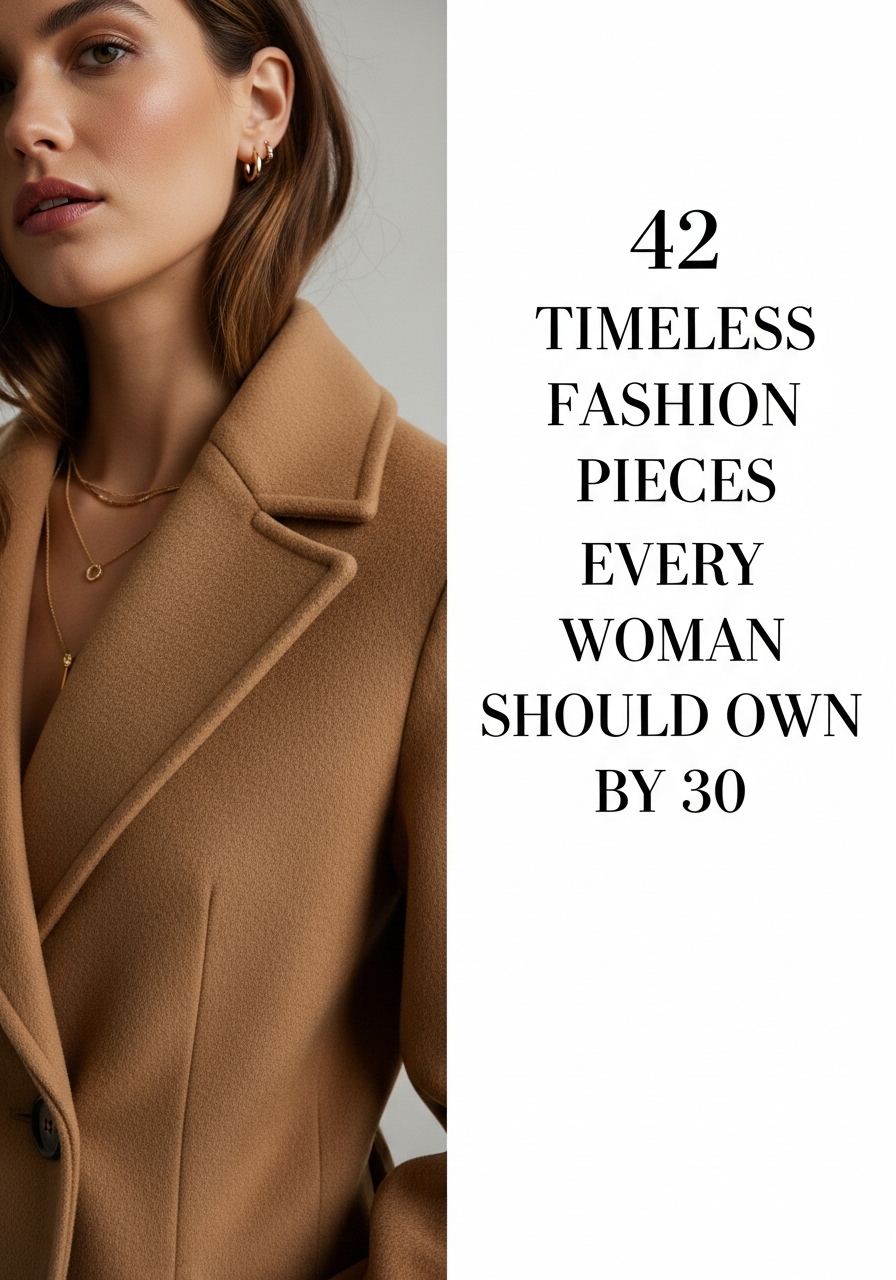

Transitioning into your 30s marks a significant shift in your personal style journey. It is the decade where “fast fashion” fatigue usually sets in, and the desire for a curated, high-quality “forever wardrobe” takes precedence. At SizeChart.net, we believe that the foundation of great style isn’t just about what you wear, but how it fits your unique silhouette. A wardrobe of 42 timeless pieces isn’t about excess; it’s about strategic acquisition—choosing garments that offer versatility, longevity, and a flawless fit.
Understanding the relationship between fabric behavior and body measurements is the secret to looking polished. Whether it’s the way a 100% silk blouse drapes over the shoulders or the specific “break” of a tailored trouser over a heel, the technical details matter. As you curate these essentials, you move away from the frustration of “nothing to wear” and toward a cohesive collection where every piece communicates authority and self-assurance. This guide serves as your ultimate checklist for building a wardrobe that transcends trends and celebrates your most confident self.
1. The Crisp White Button-Down
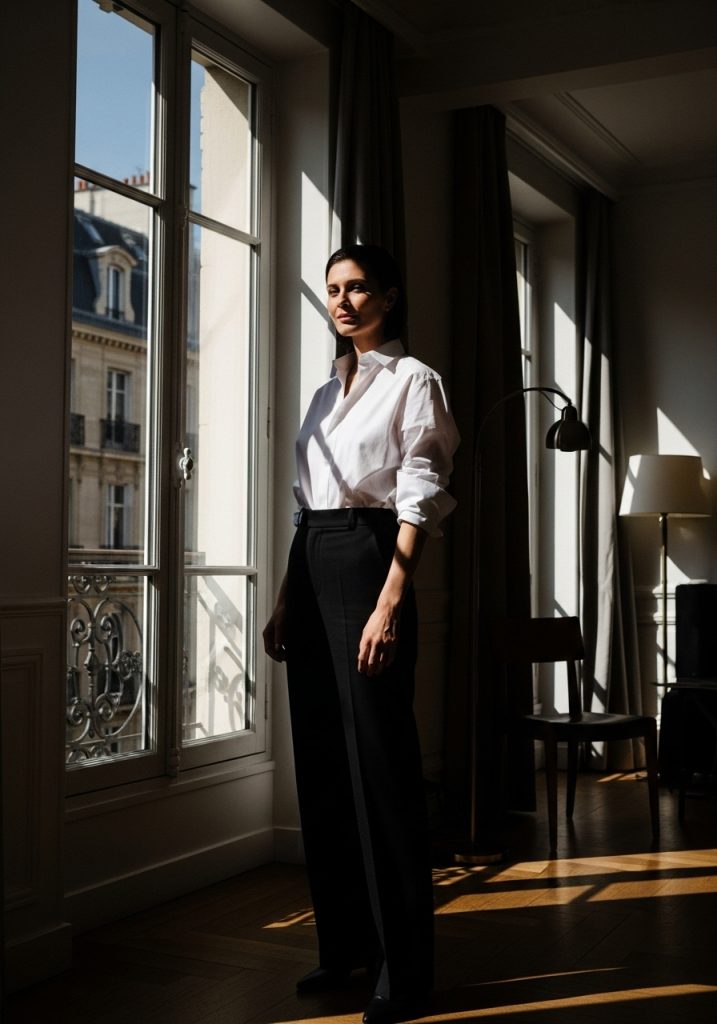
The cornerstone of any professional wardrobe, a white button-down in 100% poplin cotton is non-negotiable. For the perfect fit, the shoulder seam must sit exactly where your arm meets your shoulder; if it drops, the shirt looks oversized rather than intentional. Pay close attention to the bust measurement—there should be no “gaping” between the buttons when you move your arms.
If you are between sizes, always size up and have a tailor add darts in the back for a custom silhouette. Look for a high thread count to ensure the fabric remains opaque. This piece should be crisp, not flimsy, providing a structured frame for both blazers and denim.
2. The Camel Wool Coat
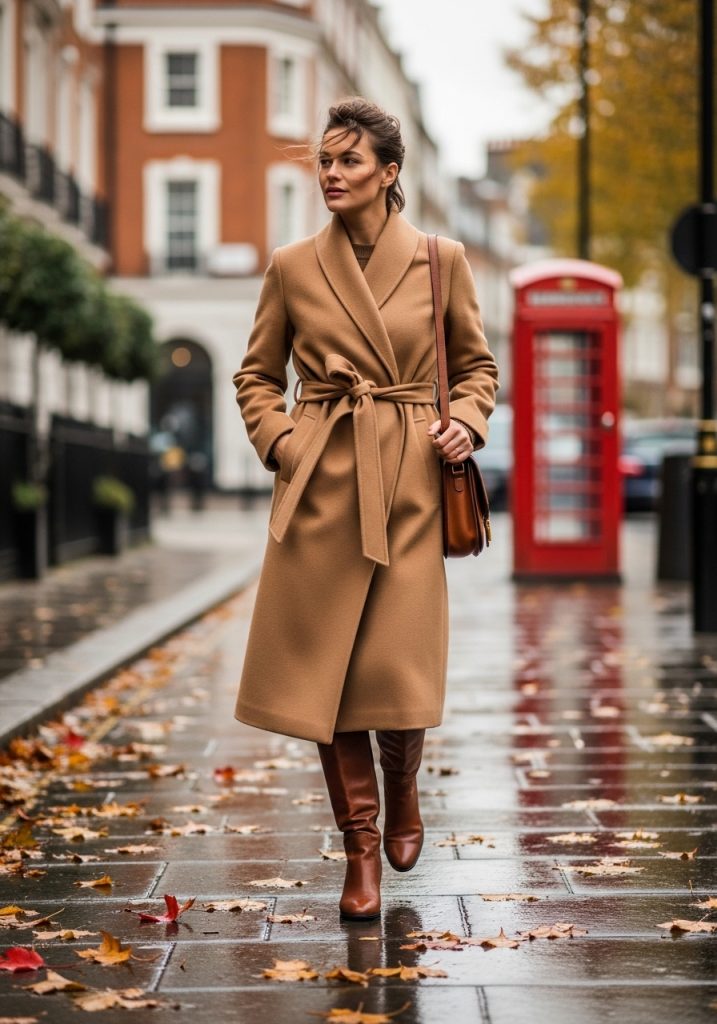
A camel coat is the ultimate equalizer, making even a tracksuit look expensive. When selecting your size, always measure while wearing a thick sweater to ensure the armholes don’t pinch. The coat should drape straight from the shoulder to the hem without pulling across the hips. Fabric behavior is key here; look for a wool or cashmere blend for warmth without the bulk.
For a classic look, the length should hit just below the knee. If you are petite, ensure the waist belt sits at your natural waistline to avoid shortening your frame.
3. Tailored Black Trousers
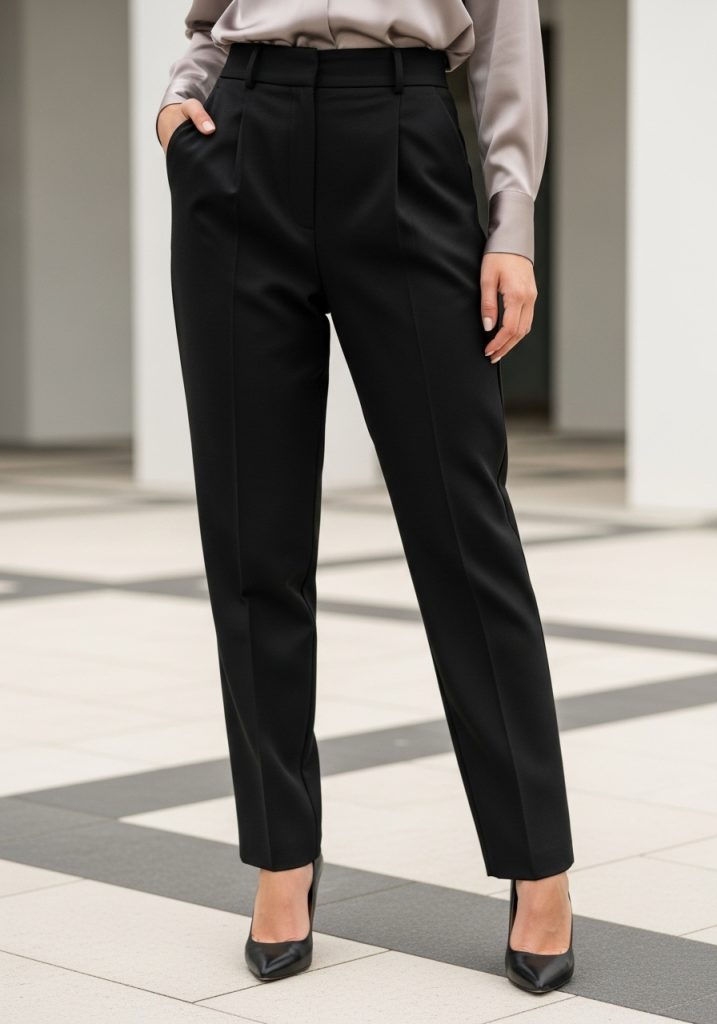
The perfect black trouser should be the most hardworking item in your closet. At SizeChart.net, we recommend a high-waisted cut to elongate the legs. Look for a “four-season” wool weight or a heavy crepe fabric that resists wrinkling. When sizing, prioritize the fit of the waist and hips; the hem can always be adjusted.
The “break” of the trouser—where the fabric hits the shoe—should be minimal for a modern, clean line. If the fabric contains spandex, size down slightly as it will stretch over an hour of wear.
4. The Little Black Dress (LBD)
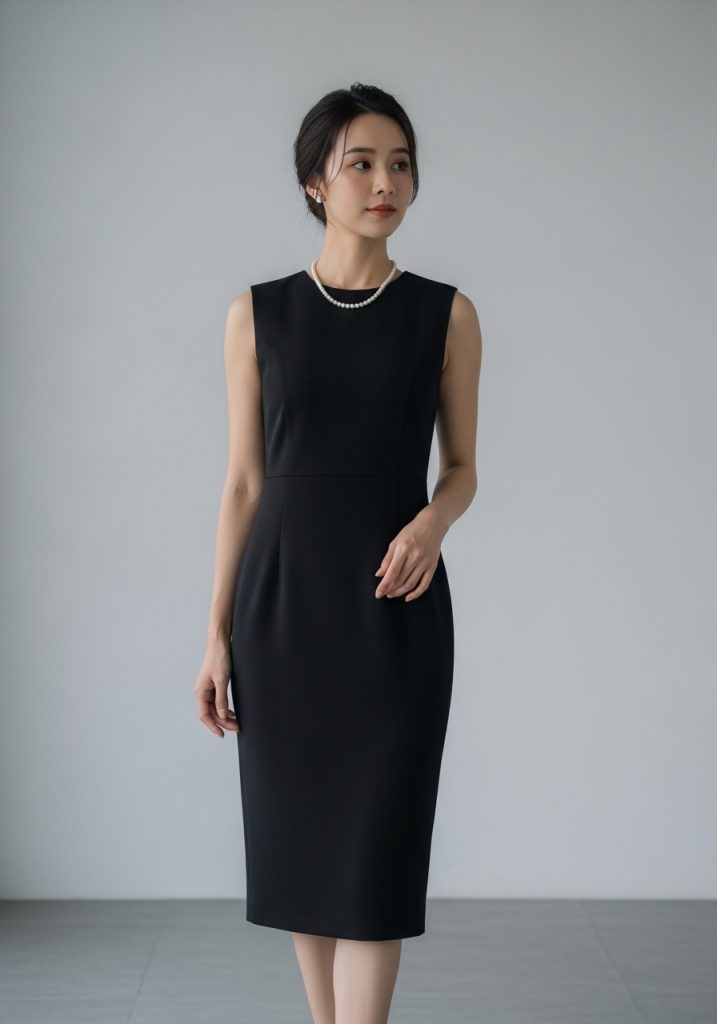
By 30, your LBD should be sophisticated rather than trendy. A sheath or A-line silhouette in a high-quality ponte or wool crepe offers the best structural integrity. Check the size chart for the “hip” and “waist” measurements specifically; the dress should skim your curves, not cling to them.
Fabric with a bit of “heft” will smooth out the silhouette, whereas thin jerseys can highlight undergarment lines. Aim for a hemline that hits just above or at the knee for maximum versatility across weddings, dinners, and boardrooms.
5. A Structured Navy Blazer
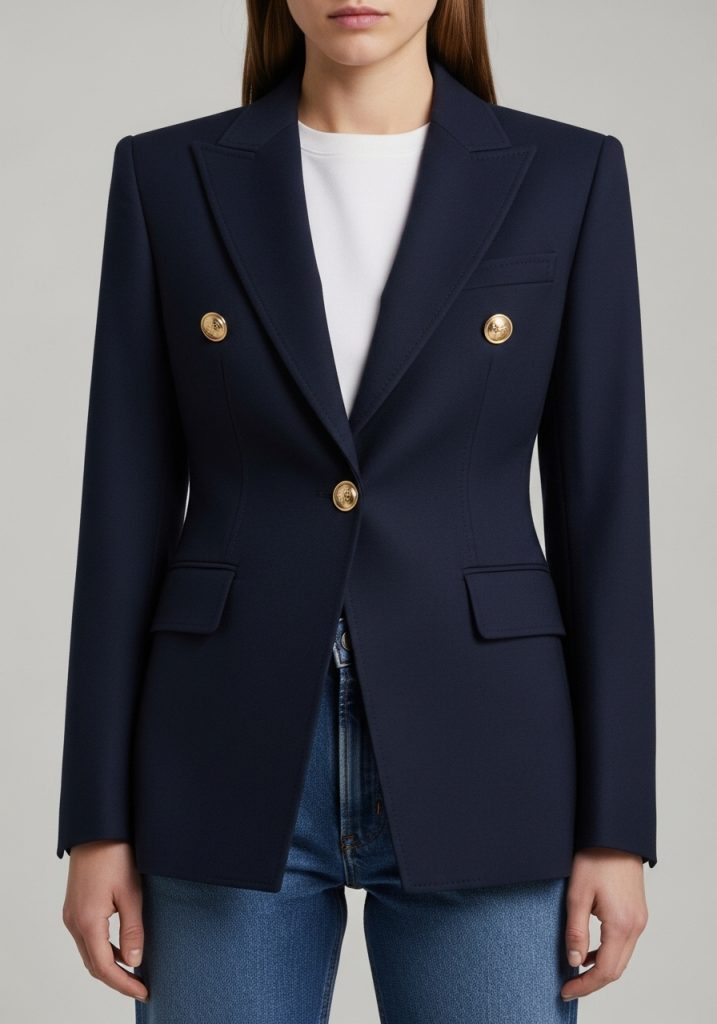
While black is classic, navy offers a softer, equally professional alternative. A well-fitted blazer is all about the shoulders and the sleeve length. The sleeve should end exactly at your wrist bone, allowing 1/2 inch of a shirt cuff to show if desired. If the blazer feels tight across the shoulder blades when you hug yourself, it is too small.
Look for “full-canvassed” construction which allows the garment to mold to your body over time. Double-breasted styles add volume, while single-breasted versions are slimming for those with larger busts.
6. Dark Wash Straight-Leg Jeans
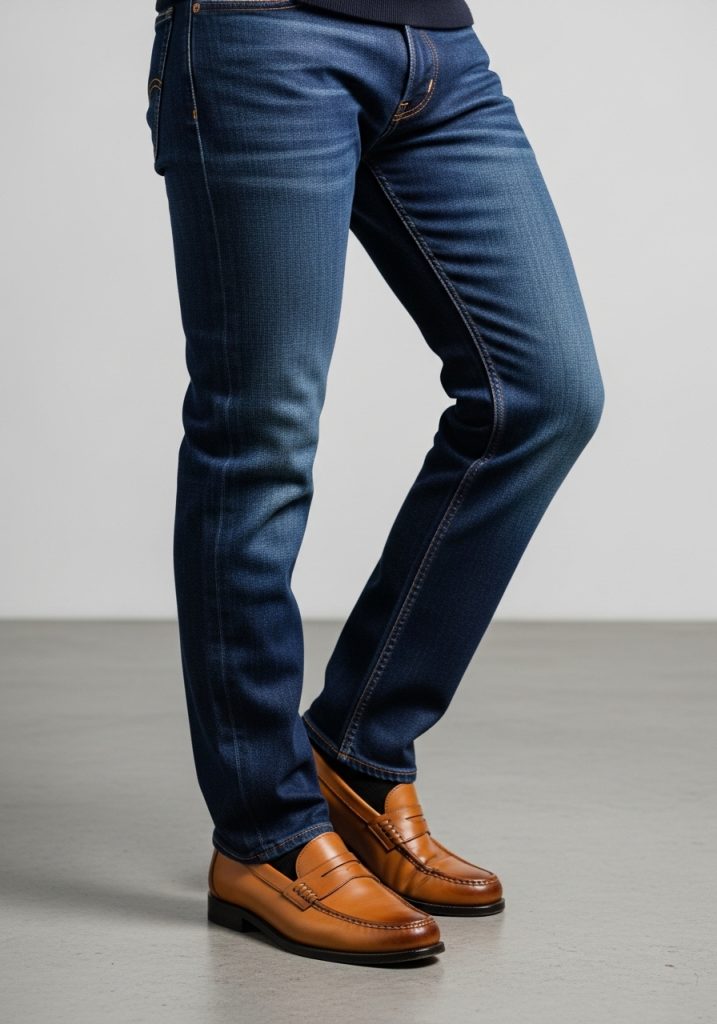
By 30, the “distressed” look should be replaced by a clean, dark indigo wash. Straight-leg jeans are the most universally flattering cut. Look for a denim blend with 98% cotton and 2% elastane; this provides the authentic look of denim with enough “give” to be comfortable.
When sizing, remember that high-quality denim will stretch about half a size after a few wears, so they should feel “snug but not painful” when you first put them on. Ensure the rise matches your natural waist to avoid the “muffin top” effect.
7. The Cashmere Crewneck
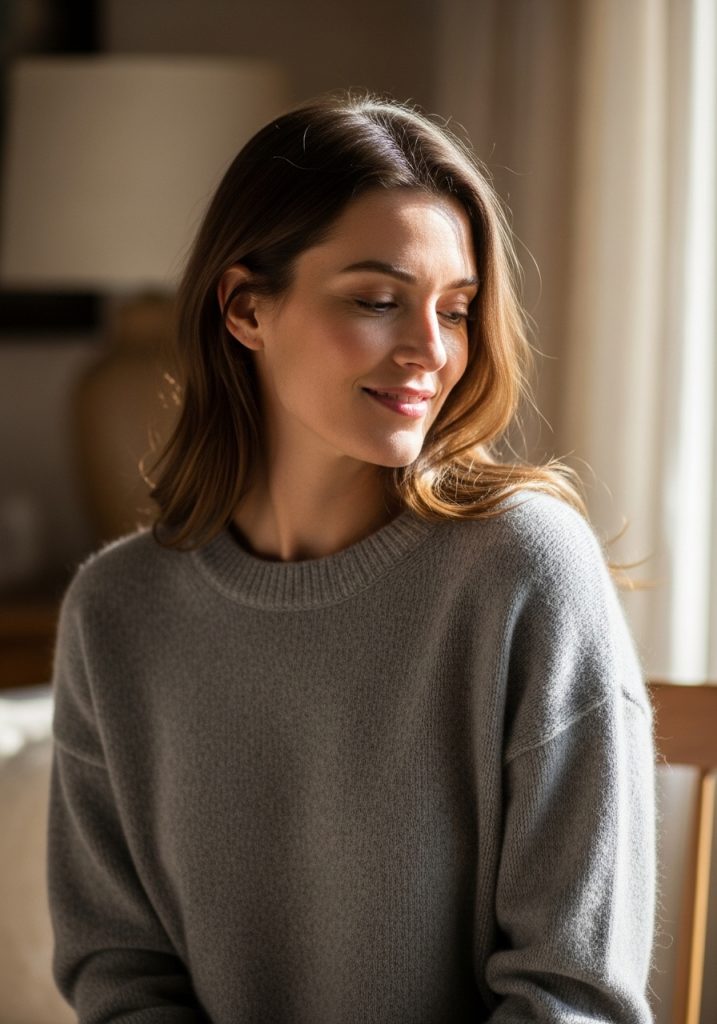
Cashmere is an investment in comfort and style. A crewneck style is the most versatile for layering. When checking the size chart, look for the “chest width.” A slightly relaxed fit is better than a skin-tight one, as it allows for a collared shirt underneath. Be wary of “low-ply” cashmere which pilling easily; a 2-ply knit offers better durability.
If you prefer an oversized look, size up one full size, but ensure the shoulder seams don’t drop too far, which can make the knit look sloppy rather than intentional.
8. Leather Loafers
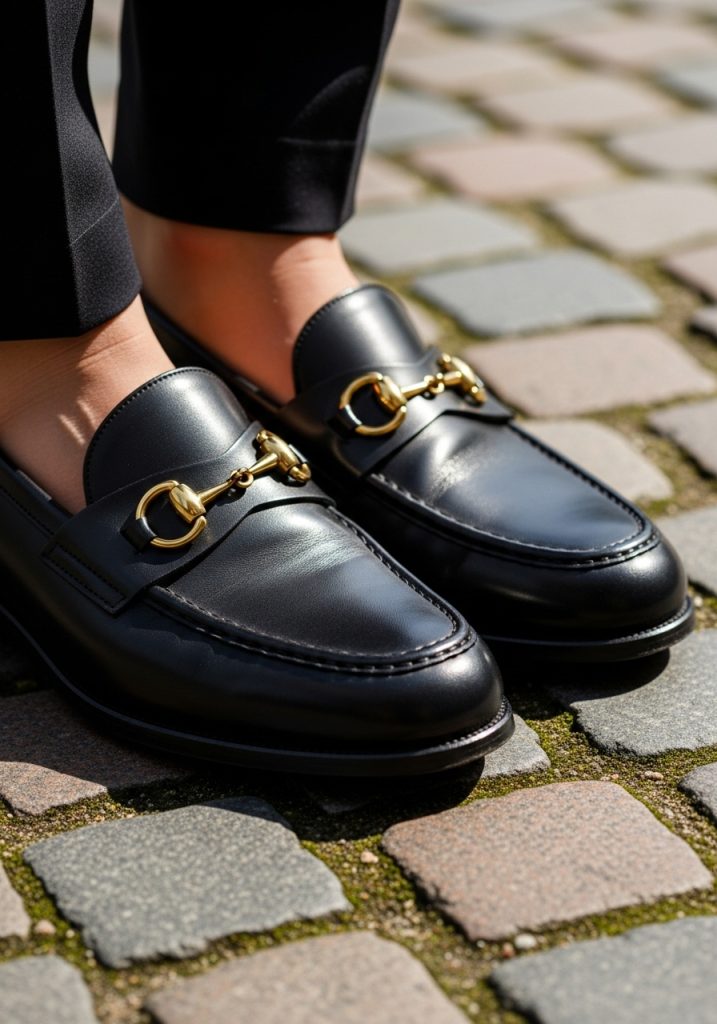
A pair of high-quality leather loafers bridge the gap between casual and formal. For the best fit, try them on at the end of the day when your feet are at their largest. Leather will stretch and mold to your foot, so they should feel firm but not restrictive across the widest part of your foot (the ball).
If you have narrow heels, look for brands that offer “slim” widths or use heel grips to prevent slipping. A slight heel (0.5 to 1 inch) provides better arch support than completely flat soles.
9. The Silk Camisole
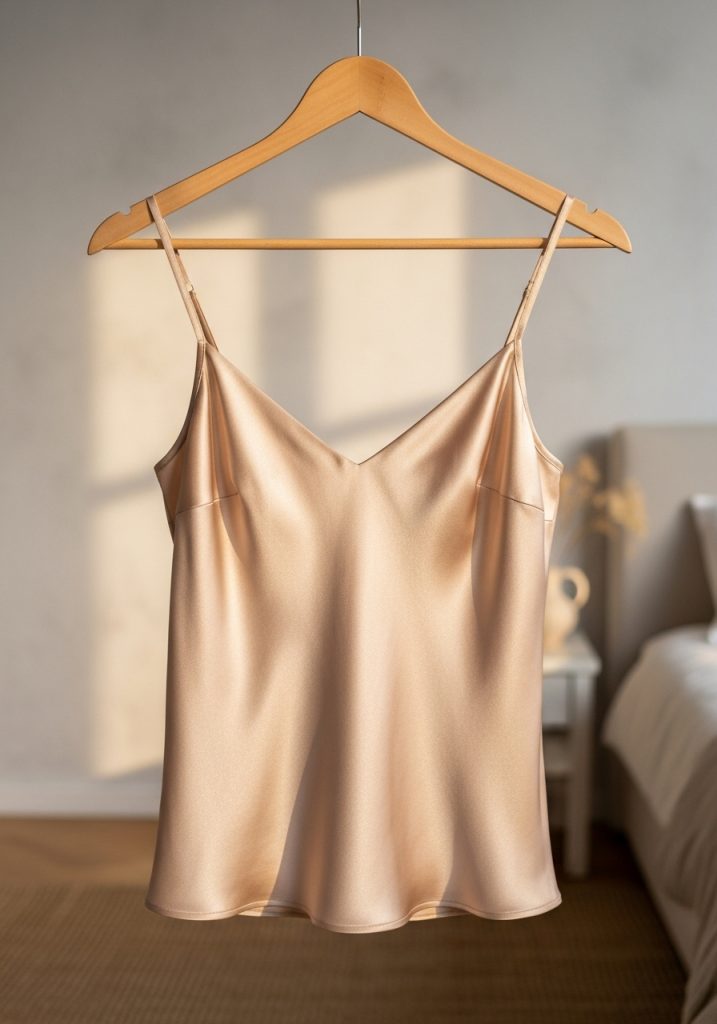
A silk camisole is the ultimate layering piece under blazers or cardigans. Because silk has zero stretch, the “bust” measurement on the size chart is the most critical factor. If the camisole is too tight across the chest, the fabric will pull and lose its characteristic liquid-like drape.
Look for “sand-washed” silk for a matte finish or “silk satin” for a high-shine, evening look. Adjustable straps are a major plus, allowing you to control how high or low the neckline sits on your frame.
10. A Classic Trench Coat
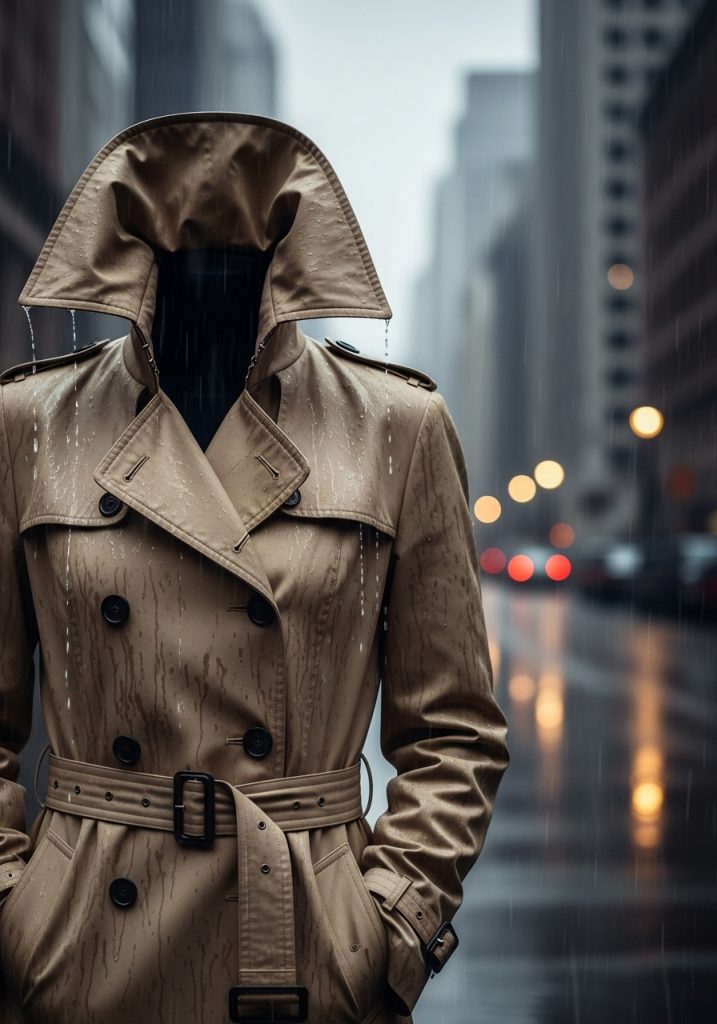
The trench coat is the ultimate transitional weather staple. When sizing a trench, ensure there is enough room in the “back width” to move your arms freely while the coat is buttoned. The belt should be tied (never buckled) to create a defined waist. Look for water-resistant gabardine cotton, which is durable and breathable. For height-challenged women, a mid-thigh length prevents the coat from “wearing you,” while taller women can pull off the classic calf-length “Inspector” style with ease.
11. Pointed-Toe Black Pumps
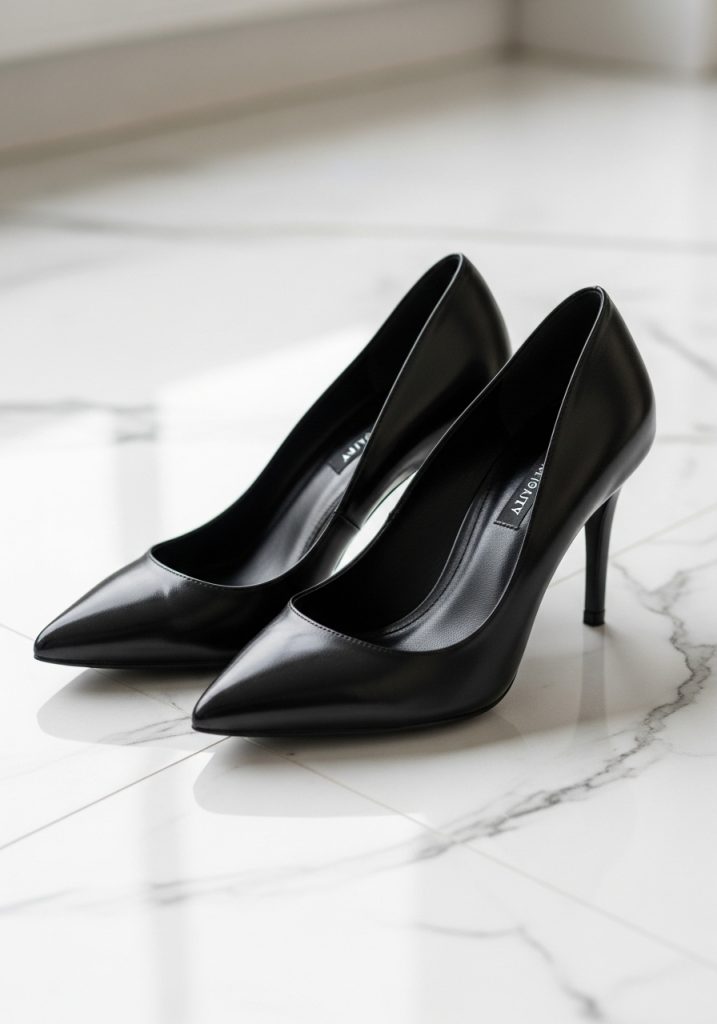
A 3-to-4 inch pointed-toe pump is the “power shoe.” The key to fit here is the “vamp”—the part of the shoe that covers the toes. A lower vamp elongates the leg but offers less support. Ensure your toes aren’t “pinched” at the front; if they are, you may need a wider width rather than a larger size.
Leather linings are superior to synthetic ones as they allow the foot to breathe and prevent blisters. For those who spend all day on their feet, a block-heel version offers the same aesthetic with significantly more stability.
12. The Breton Striped Top
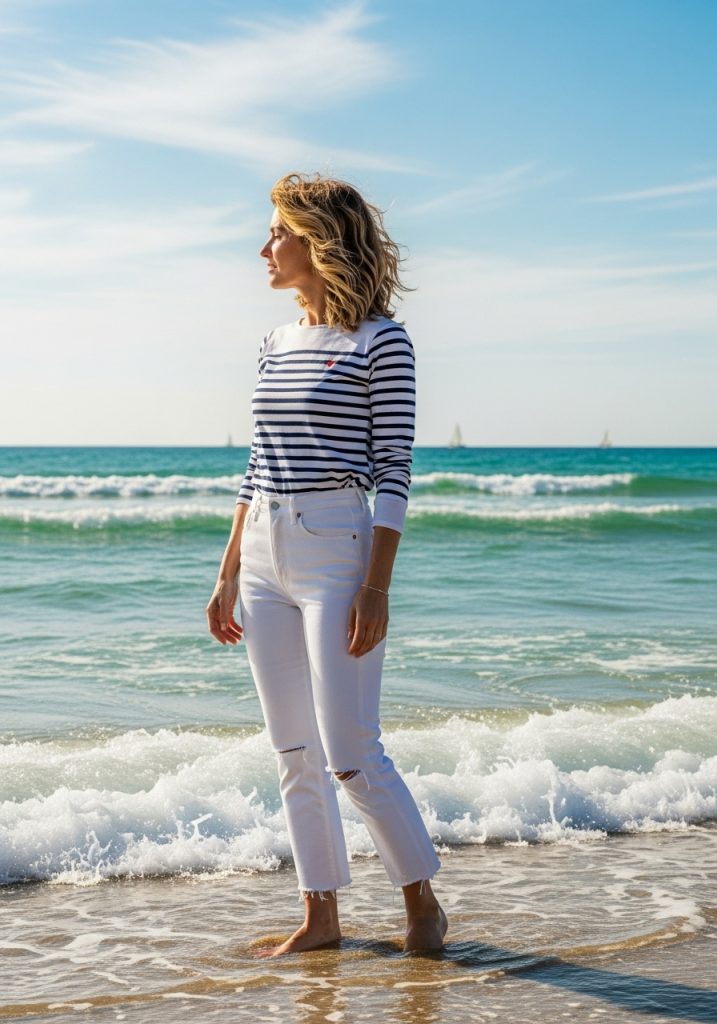
Borrowed from the French Navy, the Breton stripe is a casual classic. Look for a “heavyweight” jersey cotton that holds its shape. When looking at size charts, pay attention to the “body length.” A classic Breton should hit at the mid-hip.
Horizontal stripes can be tricky; to ensure a flattering fit, choose a stripe width that is proportional to your frame—thinner stripes for petite frames, wider for taller frames. Ensure the stripes line up perfectly at the side seams, a hallmark of a high-quality garment.
13. A Leather Moto Jacket

A leather jacket adds edge to any outfit. This is one piece where the “armhole” measurement is vital; if the armholes are too low, you won’t be able to raise your arms comfortably. Real leather (lambskin or cowhide) will “give” about 10% over time, so it should feel very snug—almost like a second skin—when new.
If you plan to wear hoodies underneath, size up. For a timeless look, avoid excessive fringe or studs and opt for clean lines and high-quality silver or gold hardware.
14. The Wrap Dress
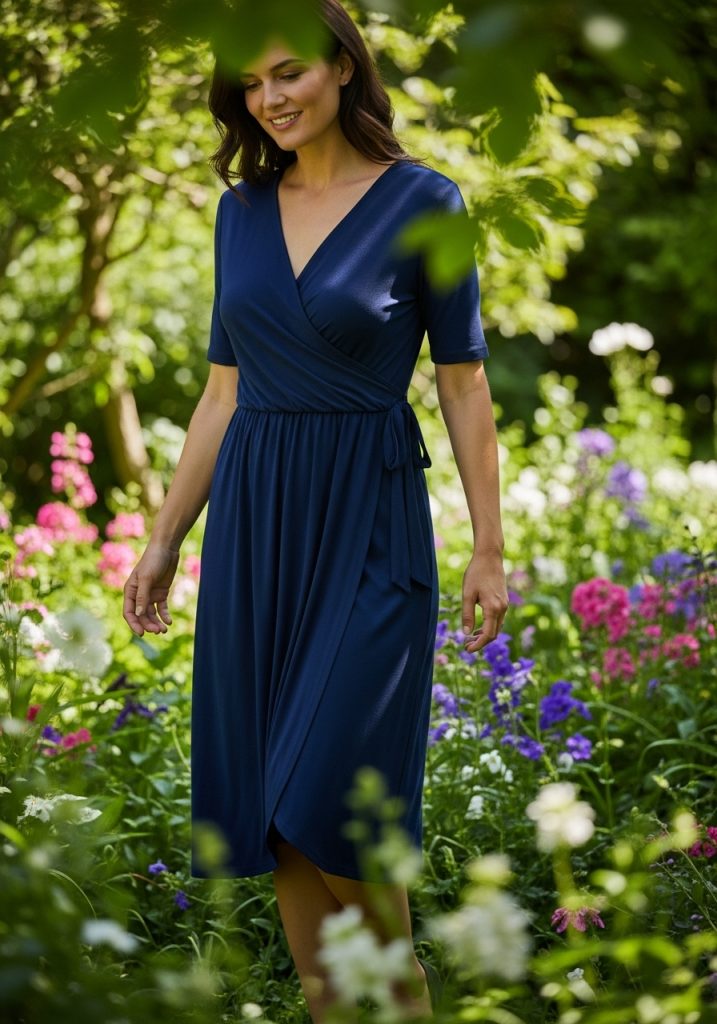
Iconic and universally flattering, the wrap dress works for every body type. The beauty of this piece is the adjustable waist. However, the “shoulder” and “sleeve” measurements must be accurate on the size chart to prevent the bodice from shifting. Jersey fabrics are common for wrap dresses, providing excellent stretch and comfort.
If you have a larger bust, look for versions with a deeper “V” and more fabric in the wrap to ensure full coverage without the need for a safety pin.
15. A White Leather Sneaker
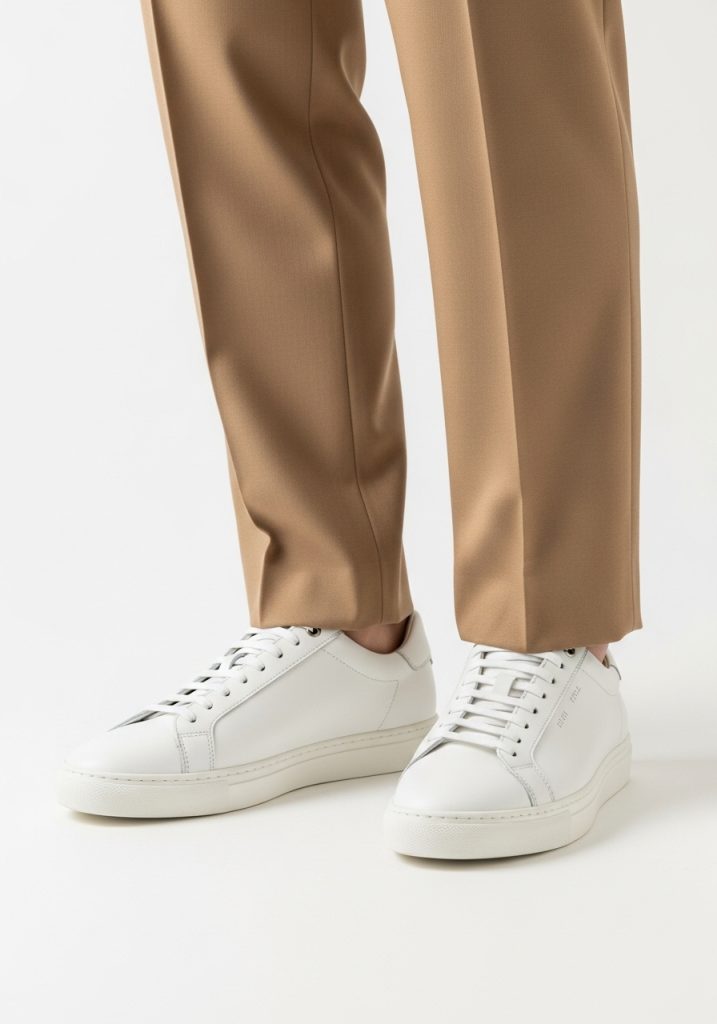
The “adult” way to do casual. A clean, minimalist white leather sneaker works with everything from suits to summer dresses. Look for “full-grain” leather, which is easier to clean and lasts longer than canvas.
Sizing can be tricky with European brands, so always check the “inner sole length” in millimeters on SizeChart.net. If you are between sizes, it is usually safer to size up and add a cushioned insole for extra comfort during long city walks.
16. The Midi Skirt
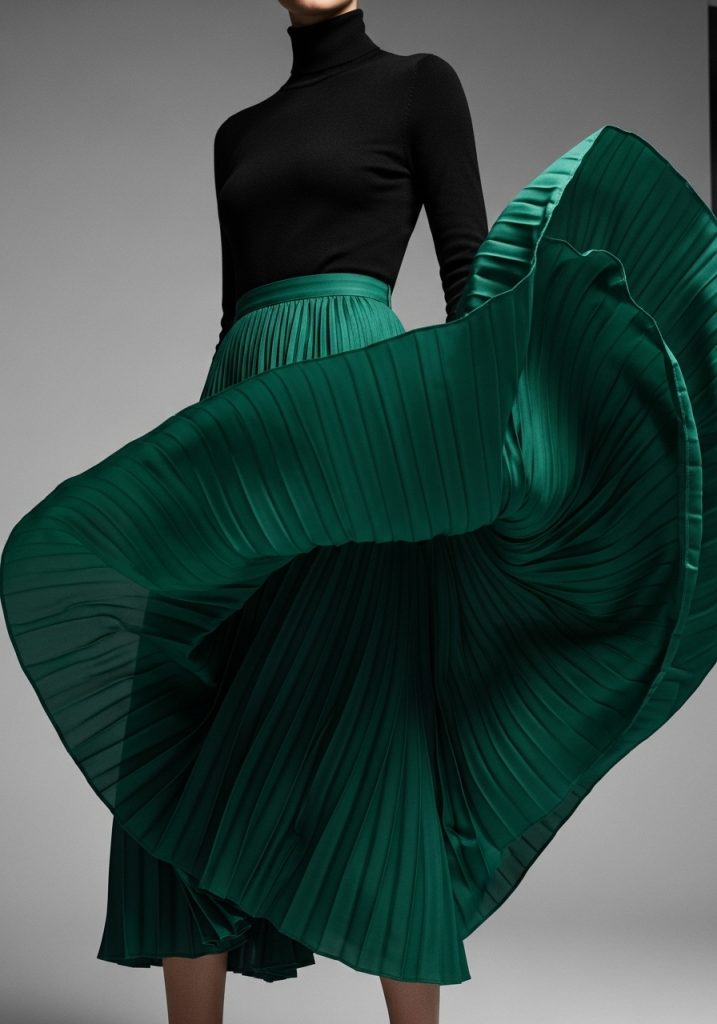
The midi skirt (hitting between the knee and ankle) is the most professional skirt length. Whether in a pleated style, an A-line, or a slip style, the “waist” measurement is the most important factor. If the waist is too loose, the skirt will sit too low and distort your proportions.
For pleated versions, look for “permanent press” fabrics that won’t lose their shape after dry cleaning. A midi skirt in a neutral tone like forest green, navy, or black is a year-round essential.
17. A High-Quality Leather Belt
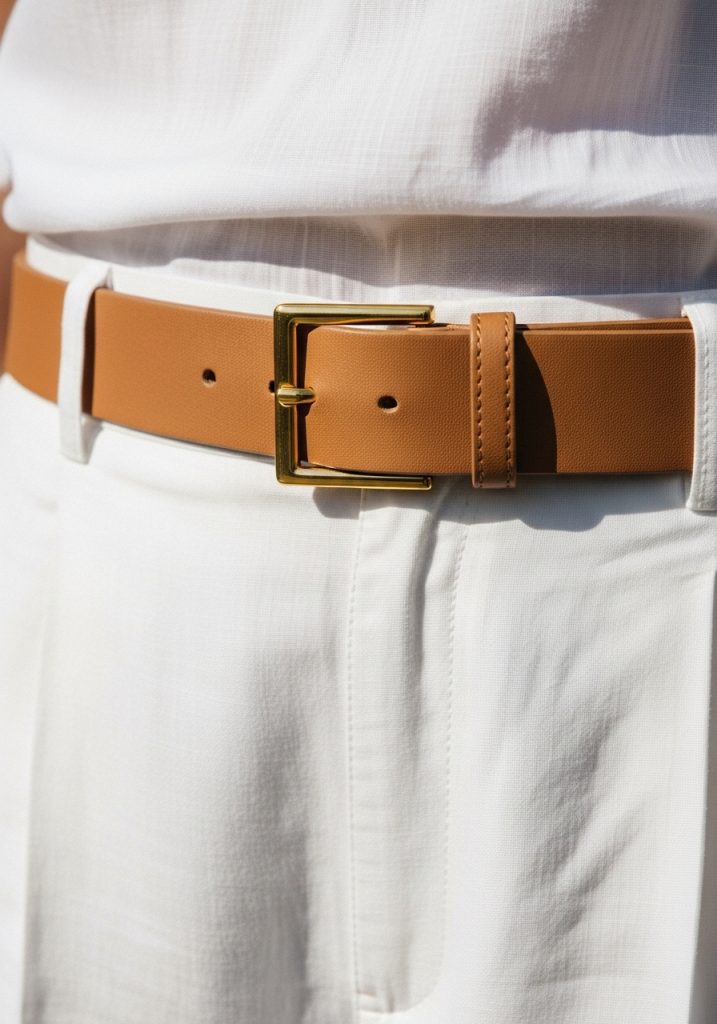
A belt is the finishing touch that defines the waist. By 30, move away from bonded leather and invest in “full-grain” leather. When measuring for a belt, don’t use your pant size; measure your waist where you intend to wear the belt (high-waist vs. hip).
A 1-inch width is the most versatile for both trouser loops and cinching dresses. Gold or brass hardware generally looks more expensive and ages better than “shiny” silver finishes.
18. The Turtleneck Sweater
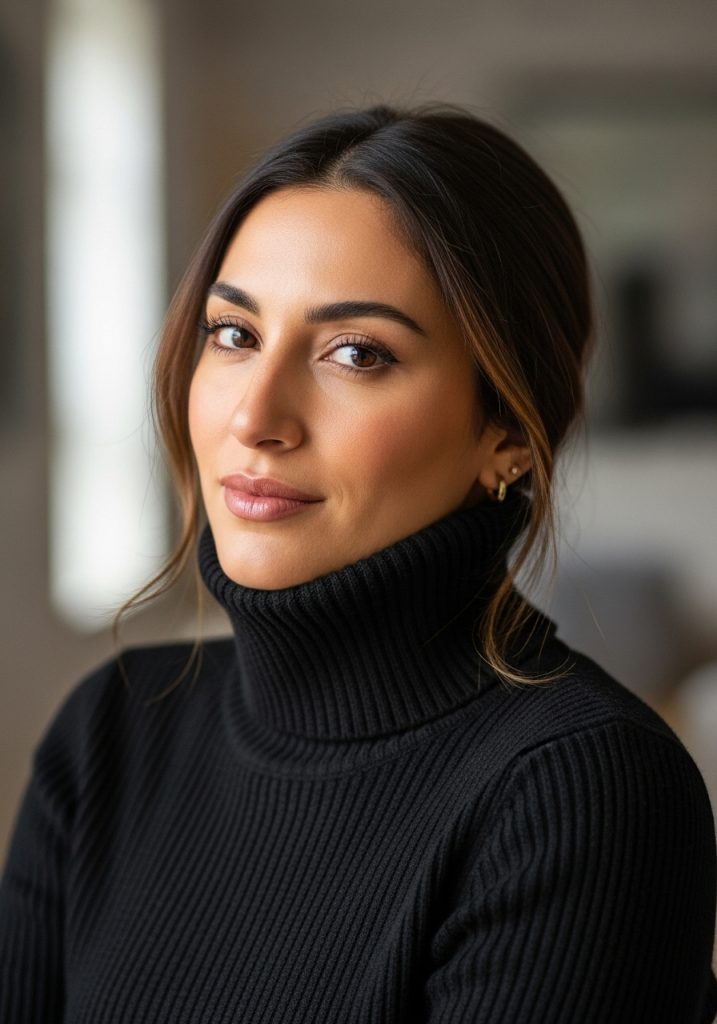
A thin, ribbed turtleneck is the ultimate layering piece for winter. Look for Merino wool, which is temperature-regulating and thin enough to tuck into skirts without creating bulk.
The “neck circumference” is a measurement often overlooked; ensure the neck has enough stretch to be comfortable but enough “recovery” to not sag after a few hours. A black or charcoal grey turtleneck under a blazer is the “uniform” of successful women everywhere.
19. A Denim Jacket
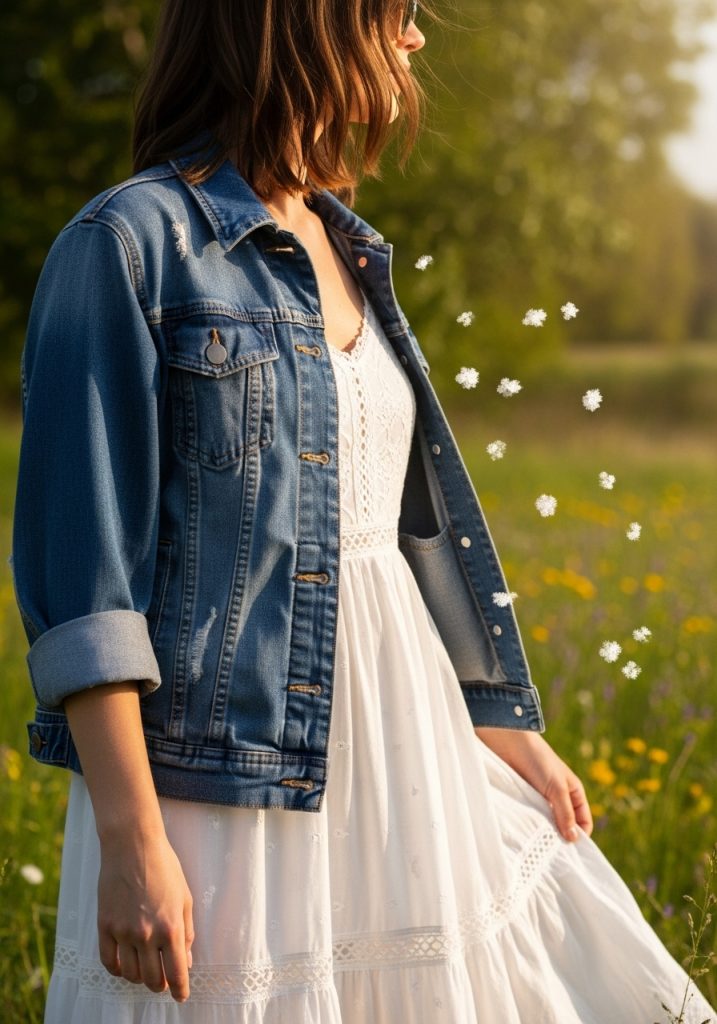
A classic denim jacket in a medium wash is the perfect “third piece” for casual outfits. For a timeless look, avoid “cropped” or “extreme oversized” trends. The jacket should hit right at the hip bone.
Check the “sleeve length” to ensure it doesn’t overwhelm your hands. 100% cotton denim is traditional and sturdy, but a 1% spandex blend offers much more mobility in the arms and shoulders.
20. A Silk Scarf
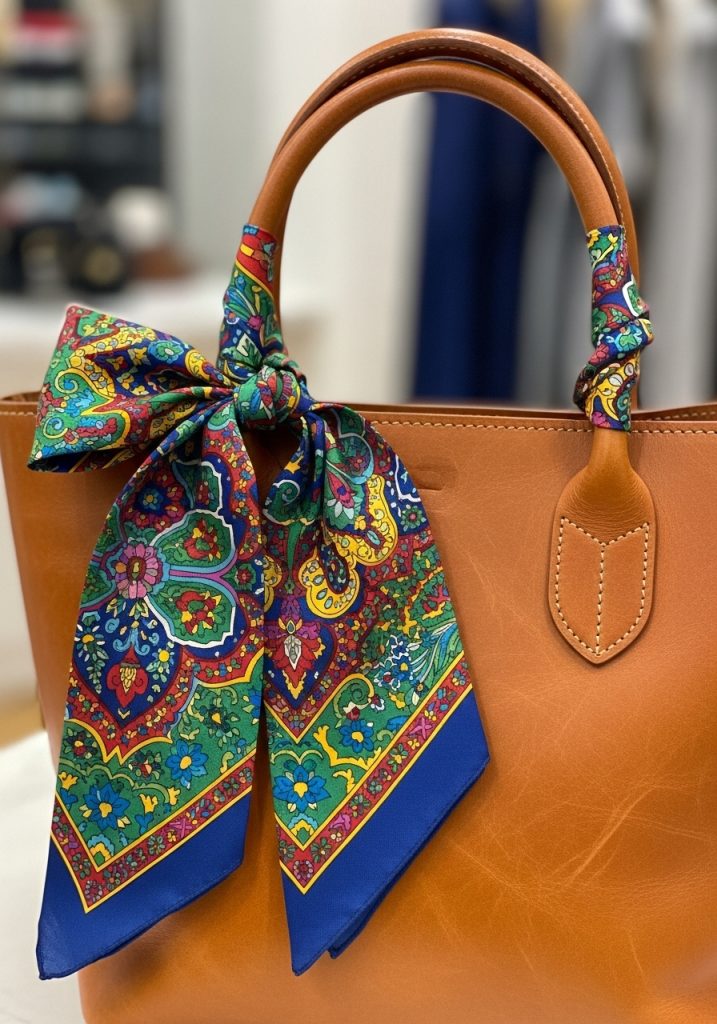
A silk scarf adds color and texture to a neutral outfit. Look for a 90x90cm “carré” size for maximum tying options. Real silk is essential here; polyester “silk-feel” scarves lack the weight and drape needed to stay in place.
A classic equestrian or geometric print in rich tones like burgundy, gold, and navy will never go out of style. It can be worn around the neck, tied to a handbag, or used as a headband.
21. The Slip Dress
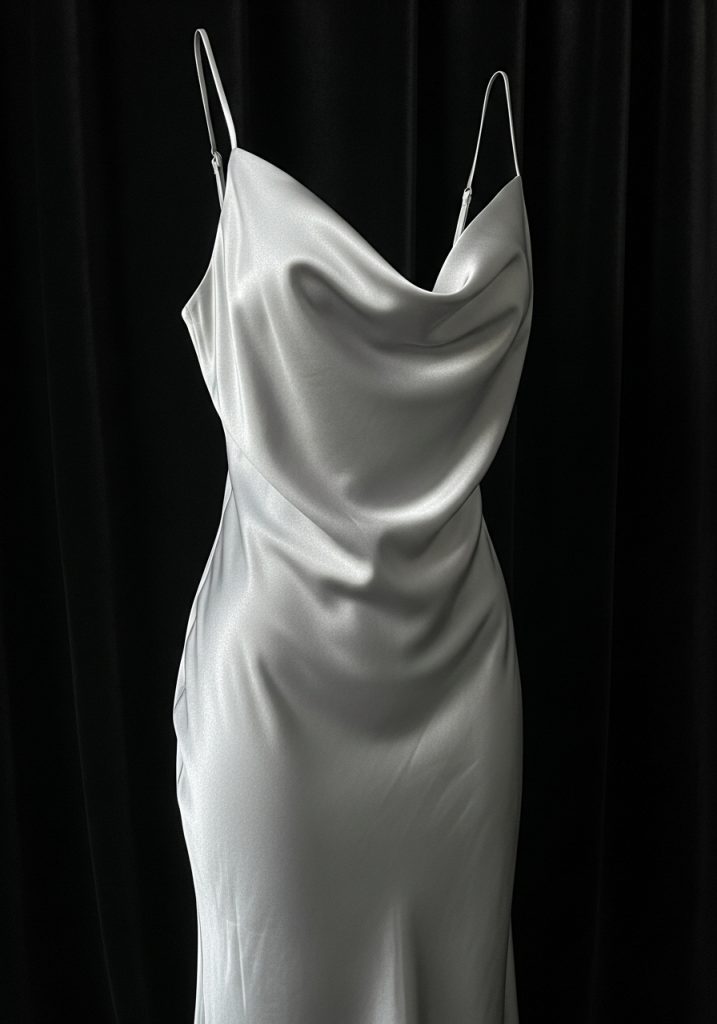
The slip dress has evolved from lingerie to a wardrobe staple. Bias-cut silk or acetate is the key here—the “bias cut” means the fabric is cut diagonally, allowing it to drape over curves beautifully.
However, this means sizing is crucial; if it’s too small, it will “ripple” and pull. Look for adjustable spaghetti straps to manage the neckline depth. Layer it over a t-shirt for day or under a blazer for night.
22. Ankle Boots (Chelsea or Block Heel)
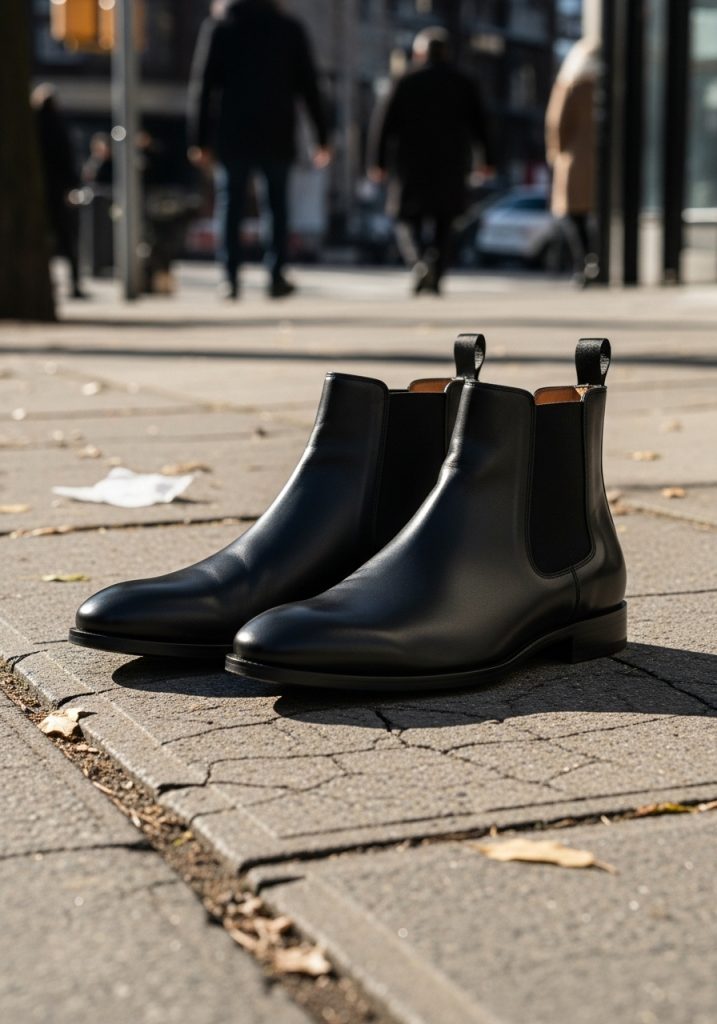
By 30, you need a pair of boots that are both stylish and walkable. A Chelsea boot with an elastic side panel is the easiest to slip on and off.
Check the “shaft height” on the size chart; for the most flattering look with jeans, the boot should end just above your ankle bone. Suede looks beautiful but requires more maintenance, while polished calf leather is more durable for rainy or snowy climates.
23. The Pencil Skirt

The pencil skirt is the “femme fatale” of the office. The critical measurement here is the “hip” to “waist” ratio. If you have a pear-shaped figure, you may need to size for your hips and have the waist taken in.
Look for a skirt with a small vent or slit in the back to allow for a natural walking stride. A fabric with a bit of “stretch” (like a wool-elastane blend) will prevent the skirt from “hiking up” when you sit down.
24. A Quality Bodysuit
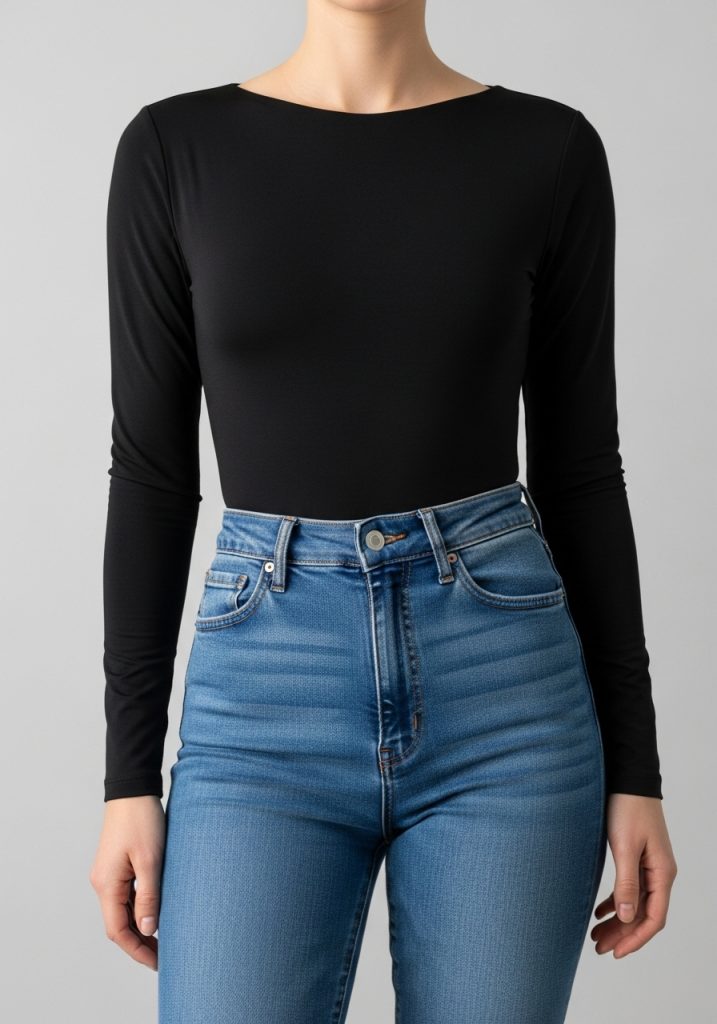
Nothing ruins a look like a “bunched up” shirt. A bodysuit provides a perfectly tucked-in appearance every time. For fit, the “torso length” is the most important measurement on the size chart—if it’s too short, it will be uncomfortable; if it’s too long, the fabric will bunch. Look for a thong-cut bottom to avoid visible panty lines (VPL) and a snap closure for convenience.
25. Gold Hoop Earrings
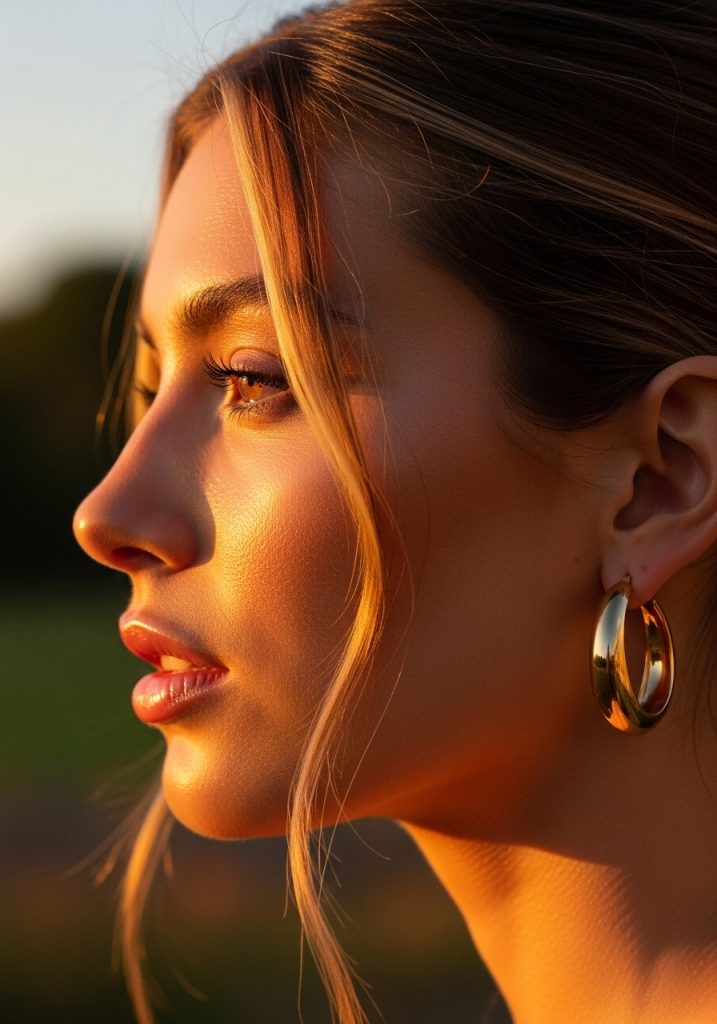
Medium-sized gold hoops (about 1 to 1.5 inches) are the most versatile jewelry you can own. They frame the face and add a “finished” feel to even the most basic outfit.
By 30, invest in “gold-filled” or “vermeil” rather than “gold-plated” to ensure the color doesn’t wear off. For comfort, look for “hollow” hoops that provide the look of thick gold without the weight that can pull on your earlobes.
26. The Structured Tote Bag
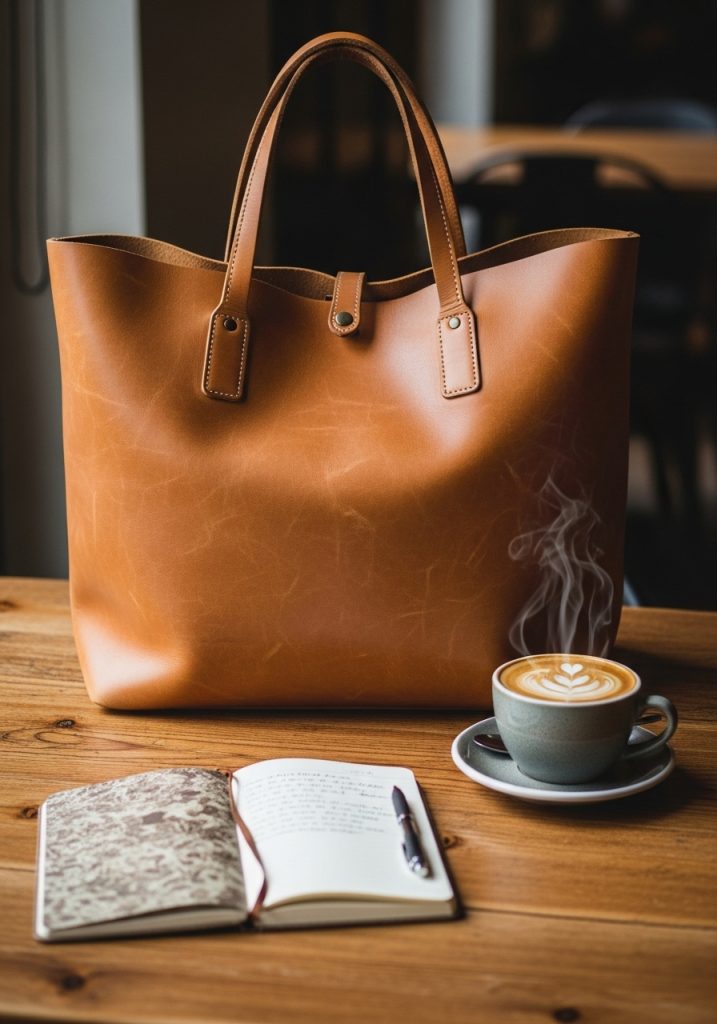
You need a bag that can carry a laptop, a makeup bag, and your life, without losing its shape. Look for “saffiano” or “pebbled” leather, which are scratch-resistant.
The “handle drop” measurement is key—ensure it fits comfortably over your shoulder even when you’re wearing a thick winter coat. A neutral color like tan, black, or forest green ensures it matches everything in your closet.
27. A White T-Shirt (Premium Cotton)
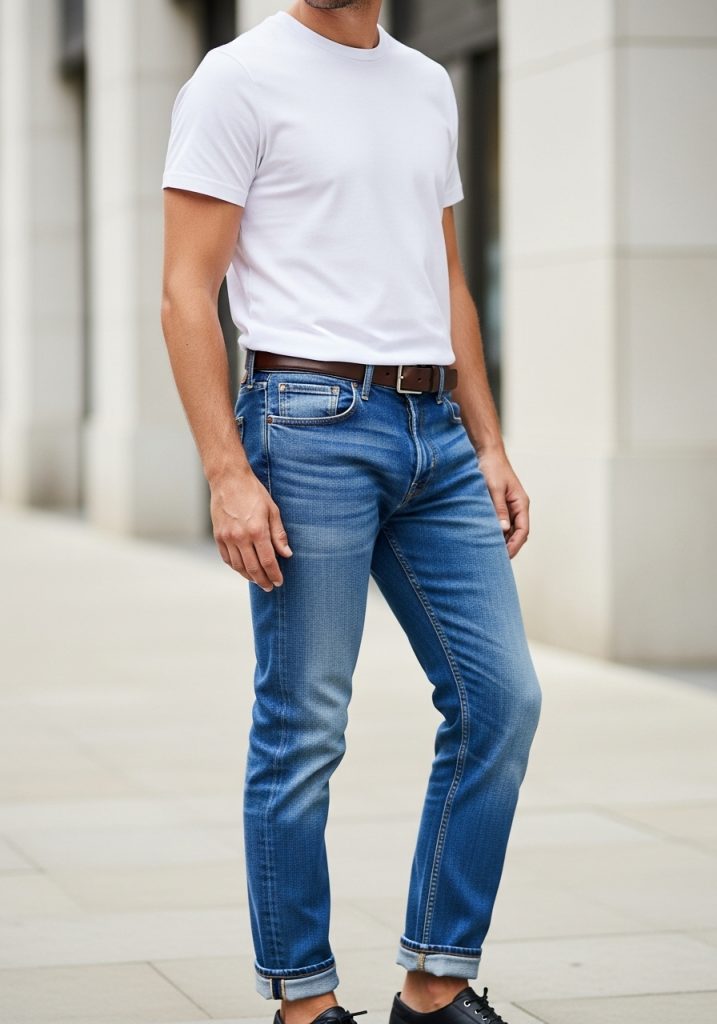
Not all t-shirts are created equal. A “premium” t-shirt is made from Pima or Egyptian cotton, which has longer fibers and won’t develop holes after three washes. The fit should be “skimming”—not tight, but not “boxy” (unless that’s the specific look you’re going for).
Check the “opacity” by holding the fabric up to the light; you shouldn’t be able to see your hand through it. A slightly lower neckline (U-neck or V-neck) is often more flattering than a high crewneck for those with shorter necks.
28. A Black T-Shirt
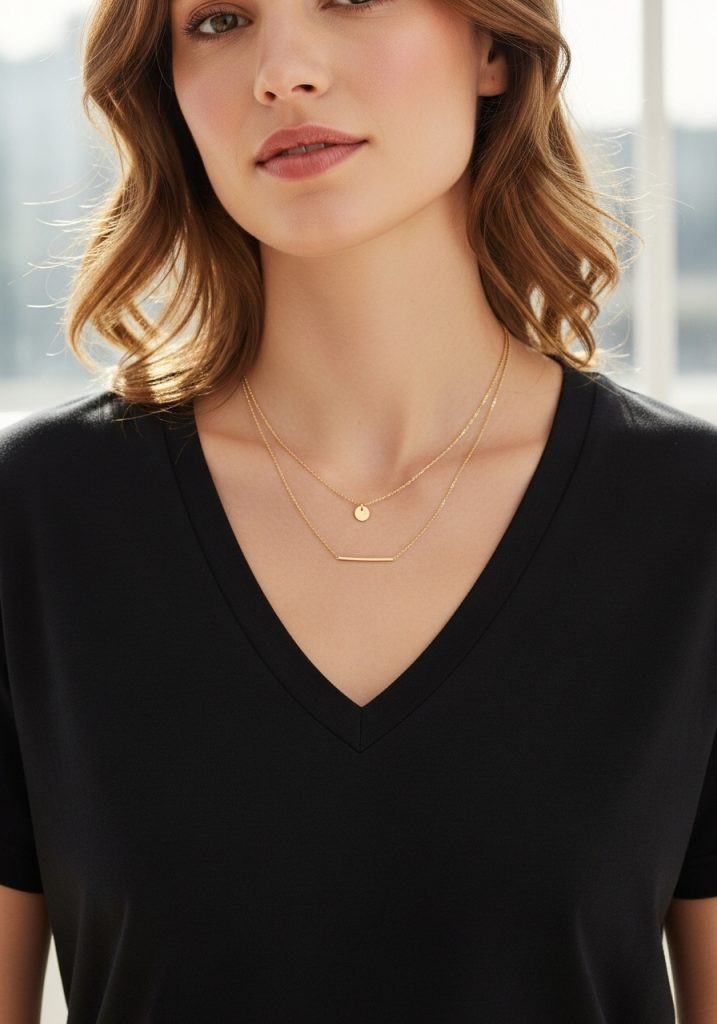
The moody sister to the white tee. A black t-shirt is essential for creating “column” looks (black top with black trousers) which are incredibly slimming. Because black dye can vary, look for “mercerized” cotton, which holds its deep black color longer and has a slight sheen.
Sizing should match your white tee, but be aware that black fabrics can sometimes “shrink” more in the wash due to the dyeing process—check the care label!
29. Ballet Flats
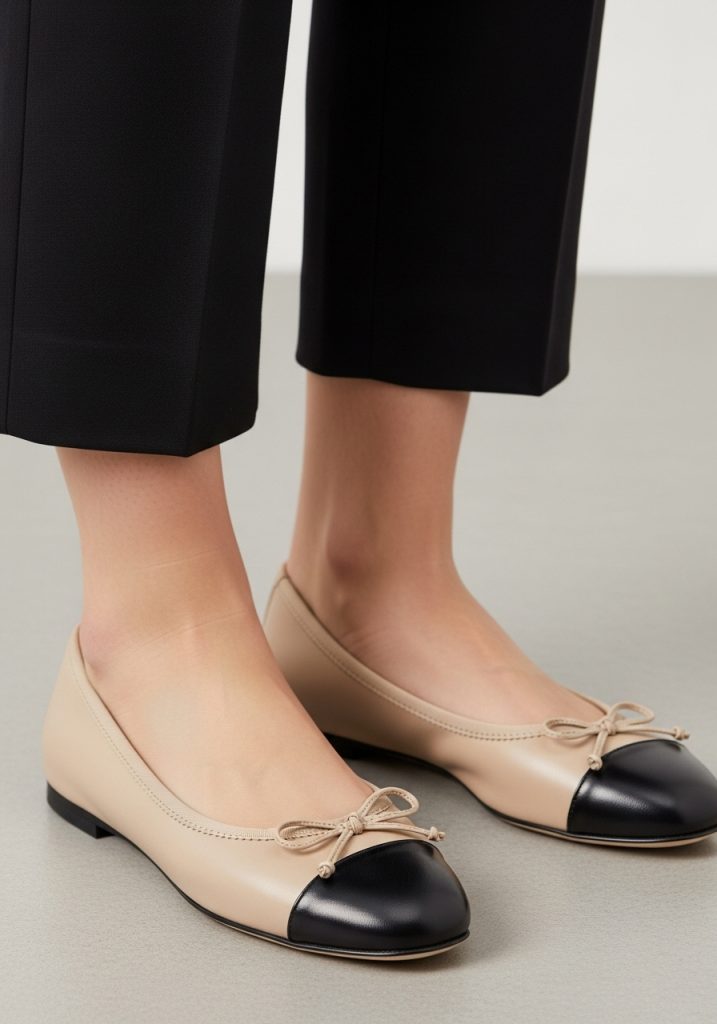
The ultimate “chic French girl” shoe. Ballet flats should have a structured sole; avoid the “foldable” kind for daily wear as they offer no arch support. When sizing, ensure your toes have room to wiggle.
If the “heel counter” (the back of the shoe) is too stiff, it will cause blisters. Look for styles with a tiny bow or a cap-toe for a classic Chanel-inspired aesthetic.
30. A Versatile Cardigan
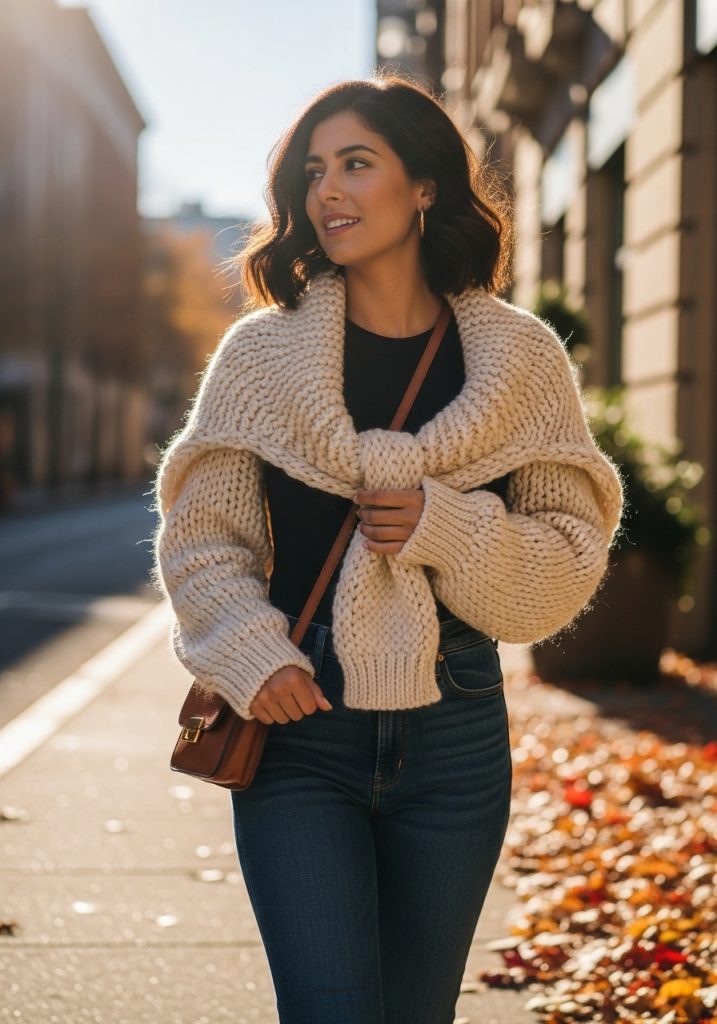
Forget the “librarian” stereotype; a high-quality cardigan in a chunky knit or a sleek silk-cashmere blend is a layering powerhouse. For a modern fit, look for a “slightly cropped” length that hits at the waistband of your trousers. This prevents the “frumpy” look of long cardigans. Check the “button-down” tension; the fabric shouldn’t pull at the buttons when closed.
31. Tailored Shorts
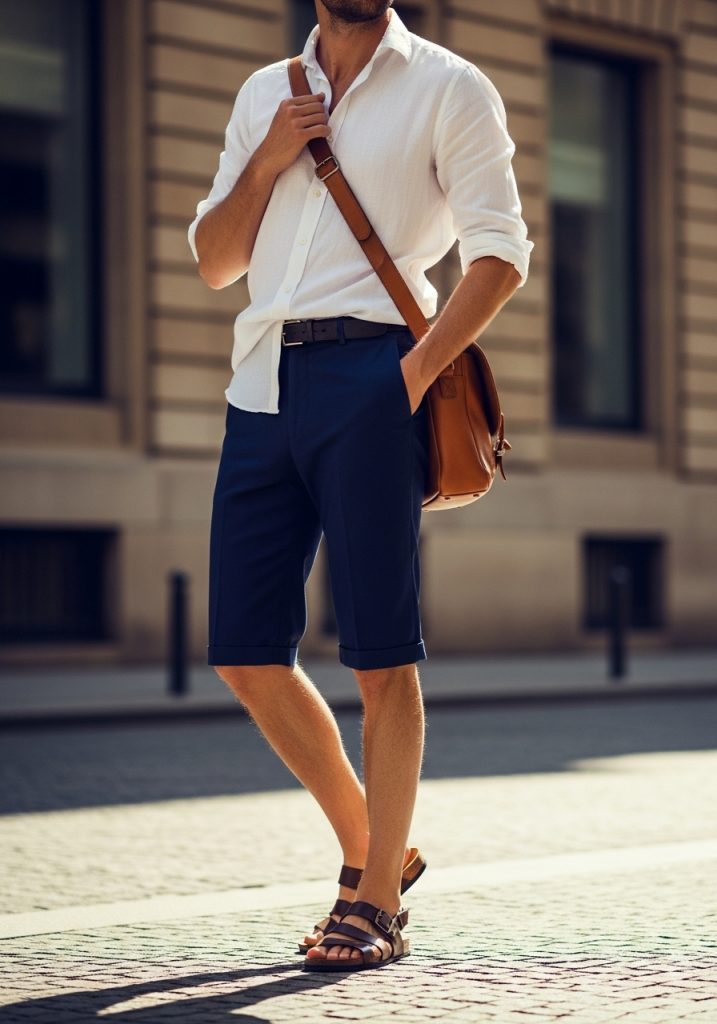
By 30, “daisy dukes” are replaced by tailored shorts. Think high-waist, a 4-to-6 inch inseam, and a wider leg opening. This creates the illusion of thinner legs. Fabric choice is vital—linen for summer or a wool-blend for fall with tights. Check the “rise” measurement on SizeChart.net to ensure they sit at your natural waist, creating a polished, sophisticated summer silhouette.
32. A Maxi Dress

A maxi dress is the easiest “one-and-done” outfit for summer events. The “length” measurement is the most critical factor here. You want the hem to hover about half an inch off the ground with your chosen shoes.
If you are petite, look for “petite” sizing to ensure the proportions (waist placement and hem) are correct. A maxi with a defined waist is more flattering than a “tent” style, which can overwhelm the frame.
33. A Statement Watch
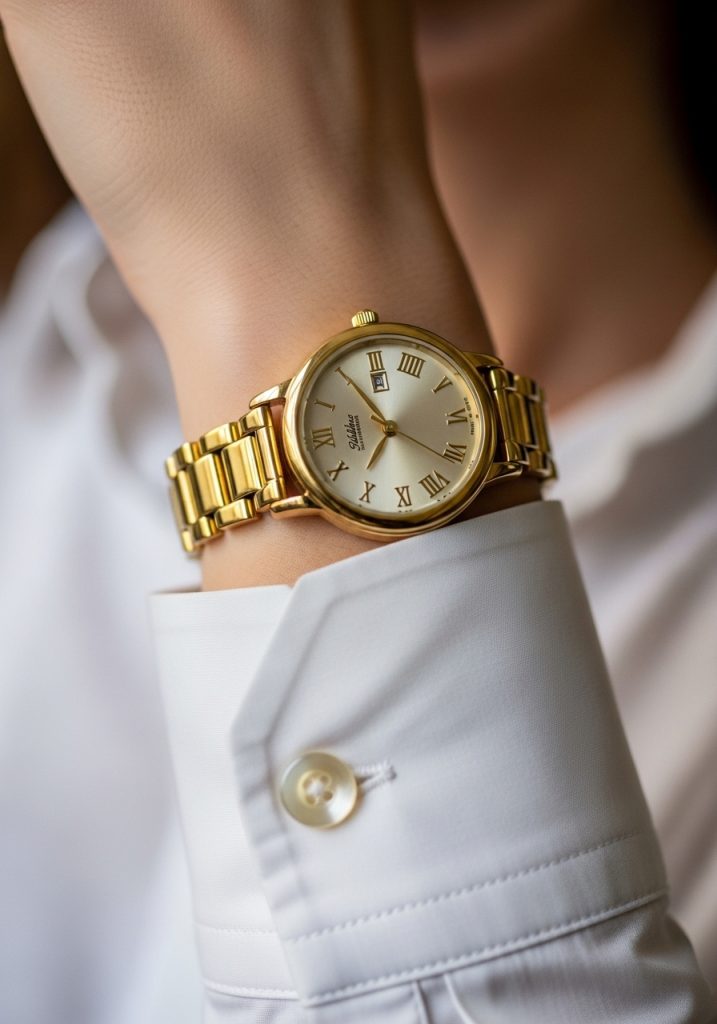
A watch is more than a timepiece; it’s a piece of jewelry that signals professionalism. By 30, move toward a classic metal link or leather strap watch. The “case diameter” is the measurement to watch—for a feminine wrist, 28mm to 34mm is usually the “sweet spot.”
Anything larger can look like a “boyfriend” watch (which is also a style, but less timeless). Ensure the strap can be adjusted to fit snugly so the watch face doesn’t “flip” to the underside of your wrist.
34. A Wool Overcoat (Oversized)
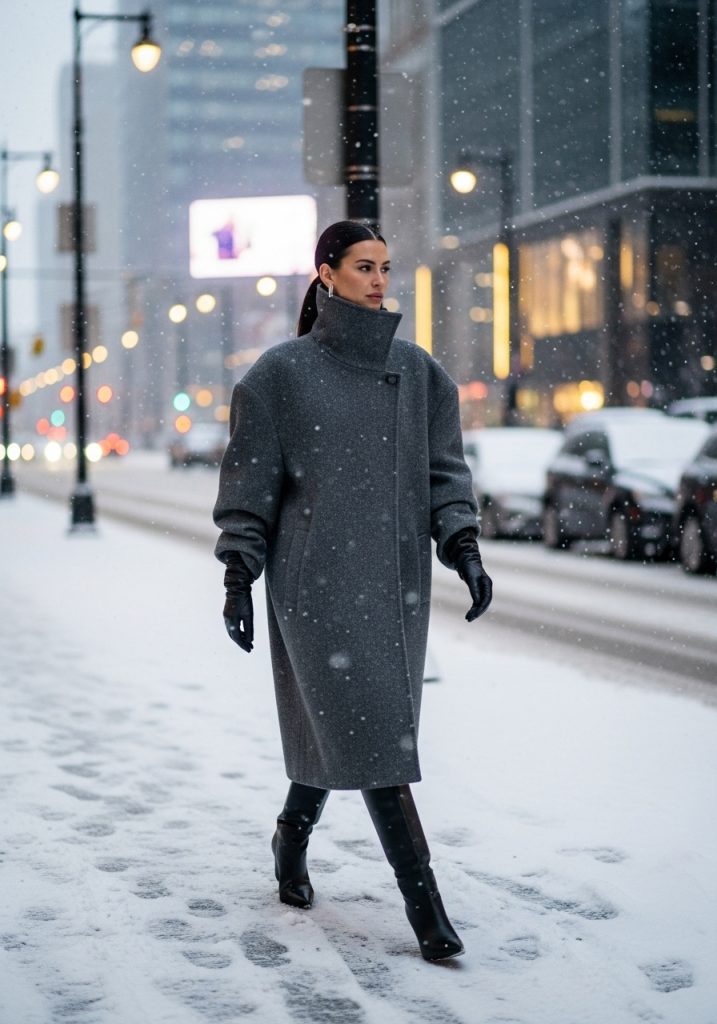
While the camel coat is structured, a slightly oversized wool overcoat in charcoal or black offers a different silhouette. It’s perfect for layering over blazers or chunky knits.
When sizing, don’t go too big—you want it to look “intentional,” not like you’re wearing someone else’s coat. Check the “shoulder width” to make sure it doesn’t extend more than an inch past your natural shoulder.
35. Strappy Heeled Sandals
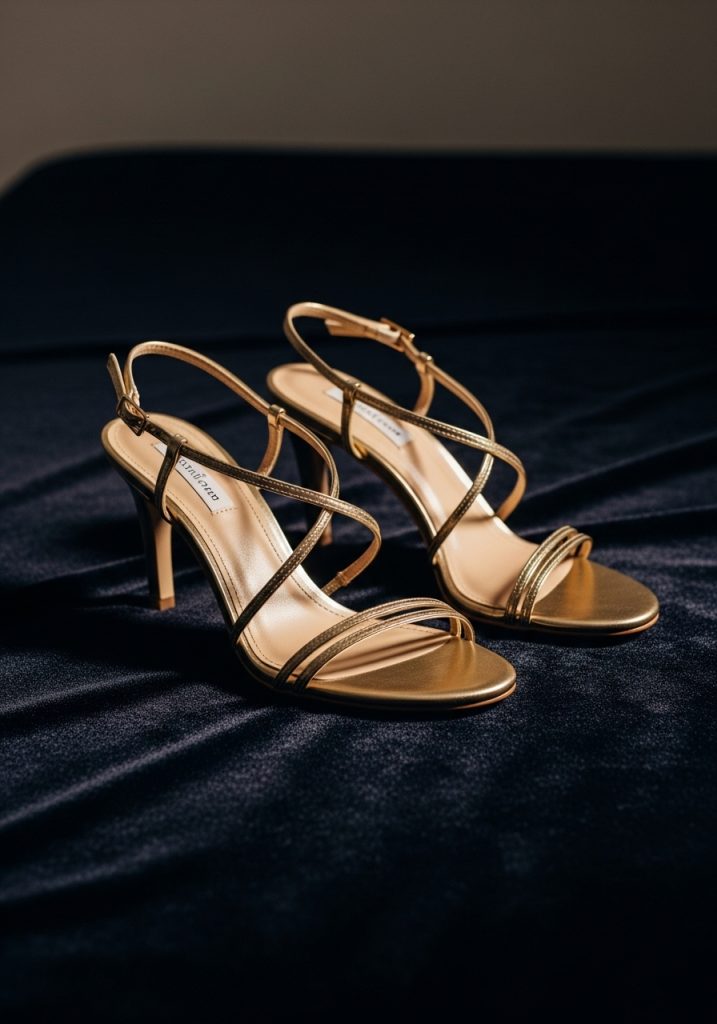
The “barely there” sandal is the perfect evening shoe. Look for a 2-to-3 inch heel for comfort. The “strap placement” is the most important fit factor—the strap across the toes should sit comfortably without “cutting off” the pinky toe.
A thin ankle strap helps secure the foot. Choose a “nude-for-you” shade or a classic metallic (gold/silver) to ensure they work with every dress in your closet.
36. A Cocktail Dress
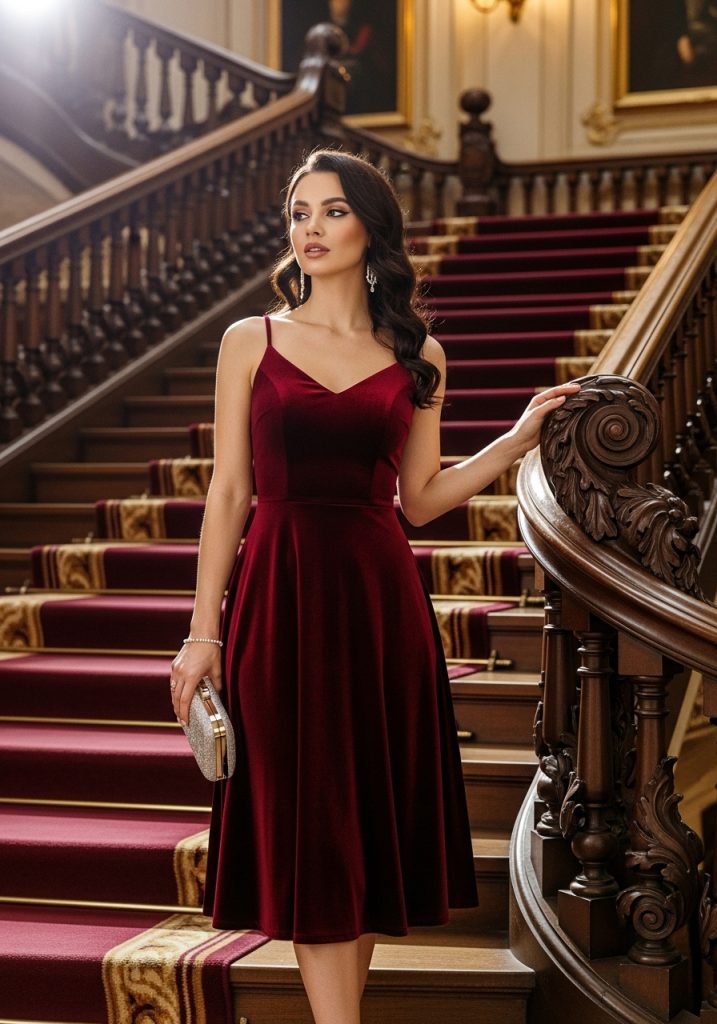
Whether for a gallery opening or a “black tie optional” wedding, you need one dress that makes you feel invincible. A mid-length dress in a luxurious fabric like velvet, heavy satin, or lace is a safe bet.
Check the “bust” and “waist” measurements carefully. Since this is an occasional piece, you might consider “non-stretch” fabrics, so ensure you have at least 1 inch of “ease” (extra room) in the measurements for comfort while sitting and dining.
37. A Tailored Vest (Waistcoat)
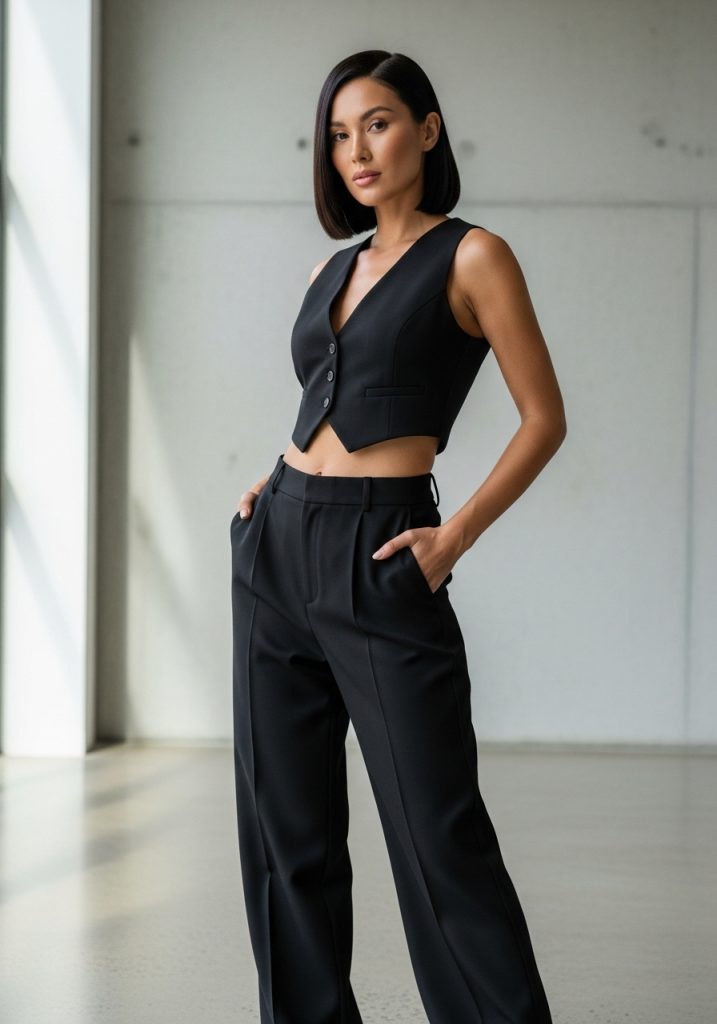
The waistcoat trend is here to stay because it is incredibly versatile. Worn alone as a top or layered over a shirt, it adds instant polish. The “armhole depth” is the key measurement; if it’s too deep, it will show your bra. Look for a vest with an adjustable “cinch” in the back to perfectly tailor the fit to your waist.
38. Knee-High Boots
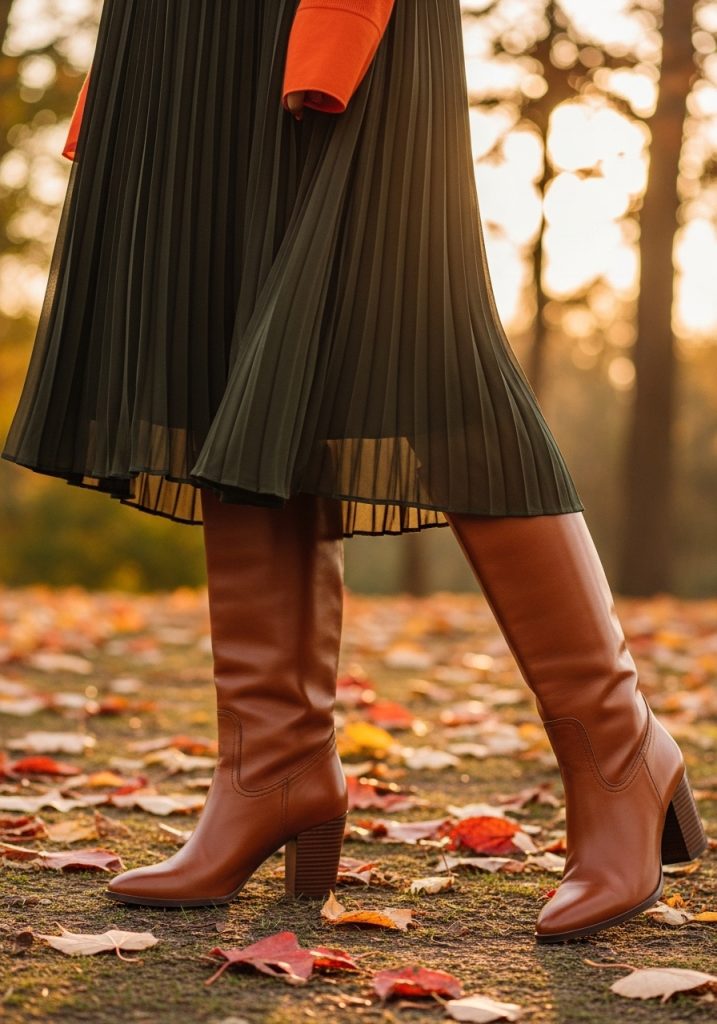
Knee-high boots in leather or suede are essential for winter styling with skirts and dresses. The “calf circumference” is the most critical measurement here—measure your calf at its widest point while wearing leggings to ensure a perfect fit.
If the boot is too tight, it will “slouch” uncomfortably; if it’s too loose, it looks messy. A structured “stovepipe” silhouette is the most timeless choice.
39. A Denim Midi Skirt

The denim midi skirt is the modern alternative to jeans. Look for a “split front” to allow for ease of movement. Because denim is a heavy fabric, the “waist” must be perfectly fitted to prevent the skirt from sliding down. A medium-to-light wash is perfect for spring and summer, while a dark wash can be transitioned into winter with boots and a turtleneck.
40. A Trench-Style Raincoat
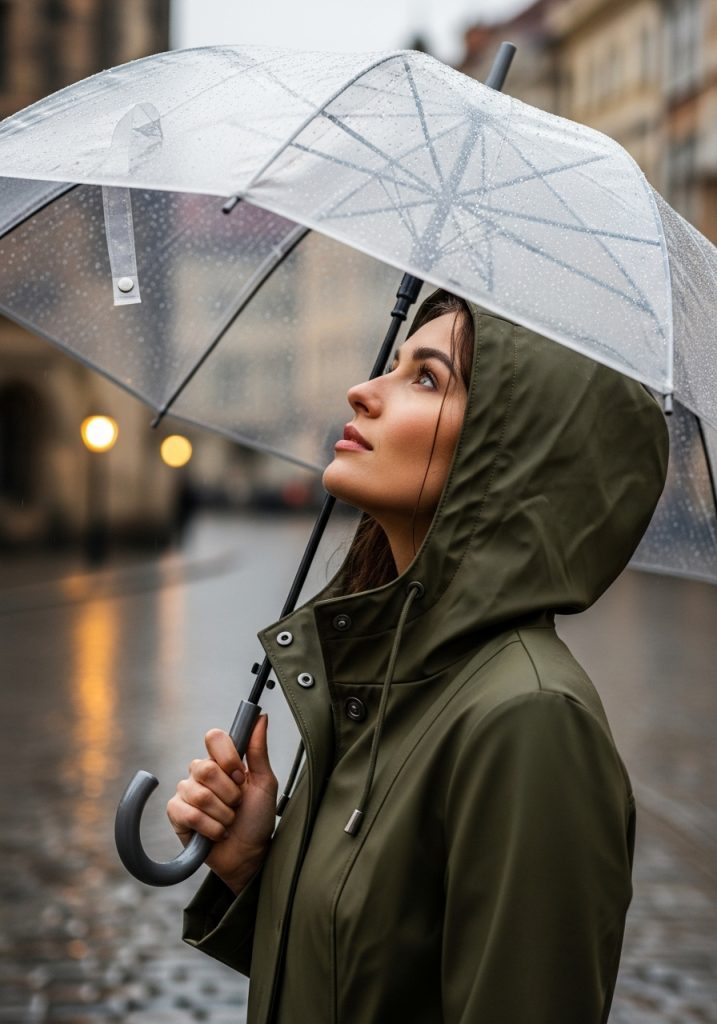
Practicality meets style. A hooded, waterproof raincoat that actually looks like a fashion piece is a must. Look for “taped seams” to ensure it’s actually waterproof, not just “water-resistant.” Sizing should be generous enough to layer over a sweater.
Choose a neutral like olive green, navy, or khaki to keep it looking sophisticated even in a downpour.
41. Wide-Leg Jeans
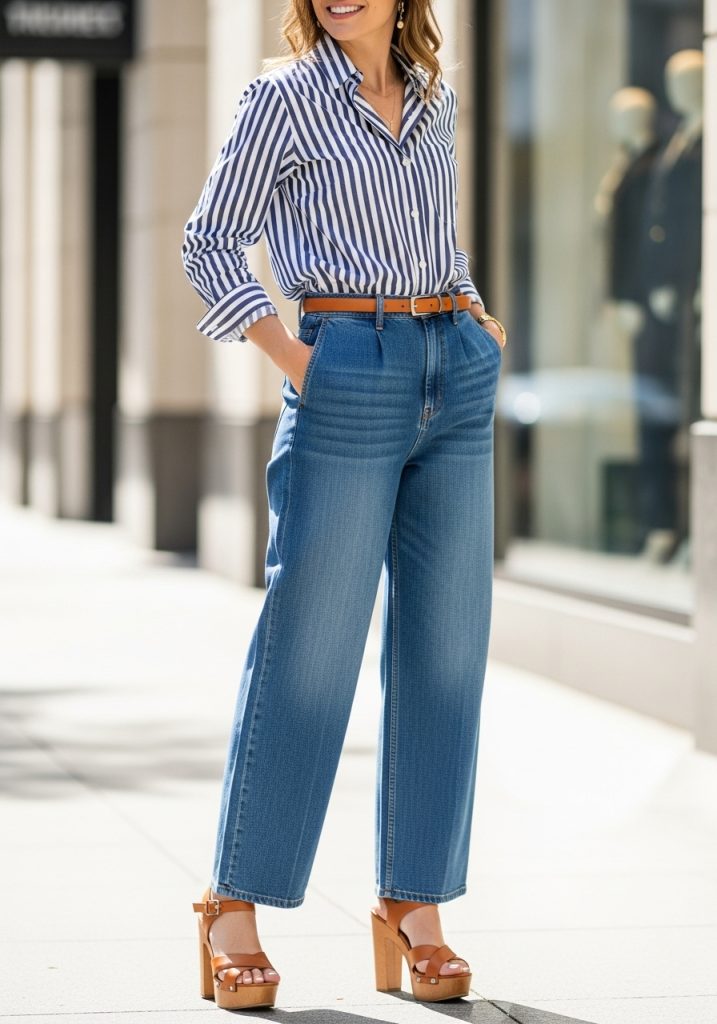
To balance out the straight-leg jeans, a wide-leg pair offers a more “fashion-forward” silhouette. The key is the “waist” and “hip” fit—the jeans should be tight through the seat and then flare out. Check the “inseam” measurement; wide-leg jeans usually look best when they almost touch the floor, so you may need a “long” or “tall” version if you plan to wear them with heels.
42. The “Investment” Handbag
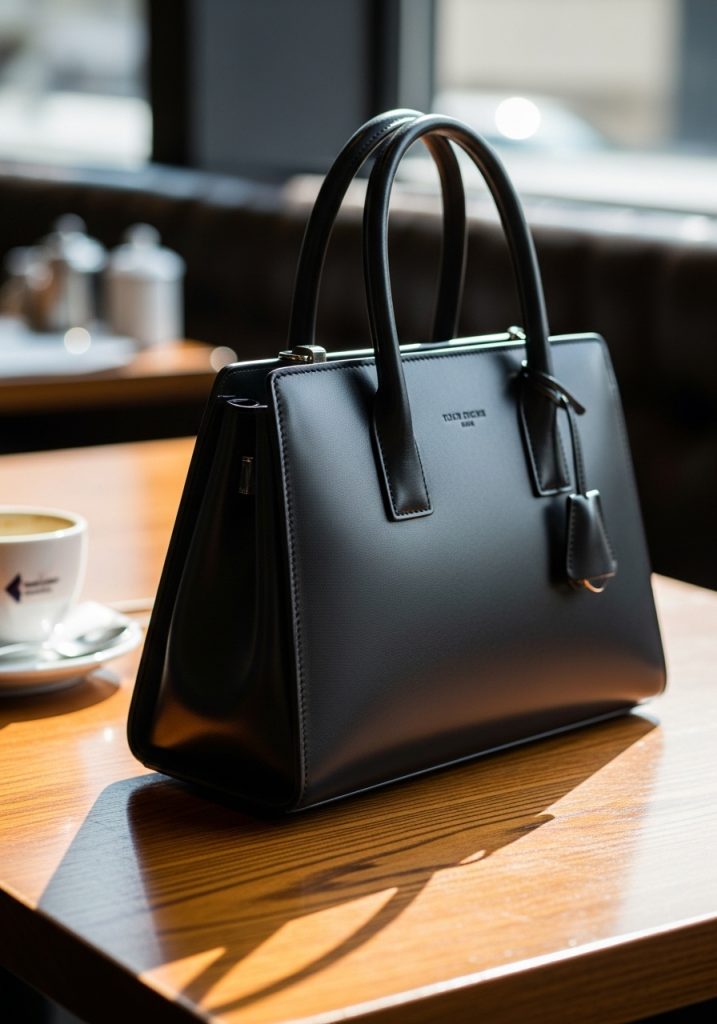
By 30, you deserve one handbag that isn’t a “trend” of the season. This doesn’t have to be a multi-thousand dollar designer bag, but it should be “top-grain” leather with impeccable stitching. Look for a medium size—large enough for essentials but small enough for evening.
Avoid large logos; instead, focus on the quality of the hardware and the silhouette. This bag will be your “signature” piece for years to come.
Conclusion
Building a timeless wardrobe is not a race; it is a deliberate process of selecting pieces that honor your body and your lifestyle. By the time you reach 30, the goal is to have a “uniform” of sorts—a collection of items that you know fit perfectly, look expensive, and can be mixed and matched with zero effort. At SizeChart.net, we emphasize that the “tag size” is irrelevant. What matters is the measurement. When you shop with your specific bust, waist, and hip measurements in mind, and understand how fabrics like wool, silk, and denim behave, you eliminate the guesswork of fashion.
The 42 pieces listed above represent the “Golden Ratio” of style. They provide the structure for professional success, the ease for weekend relaxation, and the elegance for life’s special moments. Investing in quality over quantity ensures that your wardrobe grows with you, becoming a reflection of your maturity and refined taste. Remember, the most stylish thing a woman can wear is confidence—and nothing boosts confidence like a perfectly tailored outfit.